Reise planen
Sprache: Deutsch
ReiseplanerPlane deine Reise auf einer Karte

Top-Reiseziele

EnglishDeutschFrançaisEspañolPortuguêsPortuguês (BR)Italiano
Reisehinweis · EcuadorGuayaquil liegt in oder nahe einem Gebiet, für das Regierungen von allen außer unbedingt notwendigen Reisen abraten: El Fortín, Flor de Bastión, Stadt Guayaquil, Guayaquil südlich der Avenida Portete de Tarquí, Provinz Guayas, Monte Sinaí, Nueva Prosperina, Paraíso de la Flor, Pascuales.Die Empfehlung hängt von Ihrem Reisepass ab. Lesen Sie vor der Buchung die Hinweise Ihrer eigenen Regierung.Offizielle Hinweise
Gebiete mit Warnungen
  • 20-km-Streifen an der kolumbianischen Grenze · alle Reisen vermeiden · Kanada, Spanien, Frankreich, Italien, Neuseeland, Vereinigtes Königreich
  • Durán · alle Reisen vermeiden · Kanada, Deutschland, Spanien, Neuseeland, USA
  • Stadt Esmeraldas und Norden · alle Reisen vermeiden · Deutschland, USA
  • El Fortín · nicht notwendige Reisen vermeiden · Kanada, Neuseeland
  • Provinz El Oro · nicht notwendige Reisen vermeiden · Spanien, Frankreich, Vereinigtes Königreich
  • Provinz Esmeraldas · nicht notwendige Reisen vermeiden · Kanada, Spanien, Frankreich, Italien, Neuseeland, Vereinigtes Königreich
  • Flor de Bastión · nicht notwendige Reisen vermeiden · Kanada, Neuseeland
  • Stadt Guayaquil · nicht notwendige Reisen vermeiden · Frankreich, Neuseeland
  • Guayaquil südlich der Avenida Portete de Tarquí · nicht notwendige Reisen vermeiden · Deutschland, USA
  • Provinz Guayas · nicht notwendige Reisen vermeiden · Spanien, Frankreich, Vereinigtes Königreich
  • Huaquillas und Arenillas · nicht notwendige Reisen vermeiden · Kanada, USA
  • Provinz Los Ríos · nicht notwendige Reisen vermeiden · Spanien, Frankreich, Vereinigtes Königreich
  • Provinz Manabí · nicht notwendige Reisen vermeiden · Spanien, Frankreich, Vereinigtes Königreich
  • Monte Sinaí · nicht notwendige Reisen vermeiden · Kanada, Neuseeland
  • Nueva Prosperina · nicht notwendige Reisen vermeiden · Kanada, USA
  • Paraíso de la Flor · nicht notwendige Reisen vermeiden · Kanada, Neuseeland
  • Pascuales · nicht notwendige Reisen vermeiden · Kanada, USA
  • Quevedo · nicht notwendige Reisen vermeiden · Kanada, USA
  • Provinz Santa Elena · nicht notwendige Reisen vermeiden · Spanien, Frankreich, Vereinigtes Königreich
  • Provinz Santo Domingo de los Tsáchilas · nicht notwendige Reisen vermeiden · Spanien, Frankreich, Vereinigtes Königreich
  • Provinz Sucumbíos · nicht notwendige Reisen vermeiden · Spanien, Neuseeland

Außerdem von einer Regierung genannt: Chinchipe (Kanada), Ciudad de Dios (Neuseeland), El Pangui (Kanada), Entrada de la 8 (Neuseeland), Nangaritza (Kanada), Pueblo Viejo (USA), Quinsaloma (USA), Socio Vivienda (Neuseeland), Yantzaza (Kanada), Babahoyo (Kanada), Bastión Popular (Kanada), Esteros (Kanada), La Florida (Kanada), Las Orquídeas (Kanada), Machala (Kanada), Milagro (Kanada), Monte Bello (Kanada), Mucho Lote (Kanada), Nueva Loja (Lago Agrio) (Frankreich), Provinz Orellana (Spanien), Portete (Kanada), Süden und Westen von Guayaquil (Spanien), Sur (Kanada)

RegierungHinweiseAktualisiertHinweise lesen
Vereinigtes Königreich (FCDO)No advice against the whole country (regional advisories)–Hinweise lesen
Vereinigte Staaten (State Dept)Exercise increased caution (regional advisories)18. Aug. 2026Hinweise lesen
Kanada (Global Affairs)Exercise a high degree of caution (regional advisories)–Hinweise lesen
Deutschland (Auswärtiges Amt)No advice against the whole country (regional advisories)13. Okt. 2026Hinweise lesen
Neuseeland (SafeTravel)Exercise increased caution (regional advisories)–Hinweise lesen
Frankreich (Ministerium für Europa und Auswärtige Angelegenheiten)Zone de vigilance renforcée (reste du pays) (regional advisories)–Hinweise lesen

Täglich anhand der veröffentlichten Hinweise der Regierungen geprüft; zuletzt geprüft am 2. Nov. 2026.RoamLedger fasst offizielle Hinweise zusammen; es handelt sich nicht um Empfehlungen einer Regierung.

Parque Histórico Guayaquil
Wahrzeichen

Guayaquil Historical Park

Guayaquil Historical Park sits in Samborondón, across the river from central Guayaquil, on about twenty acres.

Guayaquil Historical Park sits in Samborondón, across the river from central Guayaquil, on about twenty acres. It is divided into three areas: a wildlife zone with birds, reptiles and mammals native to coastal Ecuador, an Urban Architecture Zone with turn-of-the-century and colonial buildings, and a Traditions Zone on the cocoa-growing culture of the region. Shaded walks run between the areas, and actors in period costume bring the old streets to life. It suits a relaxed afternoon with family or a slow walk for nature lovers.

Why the park was created
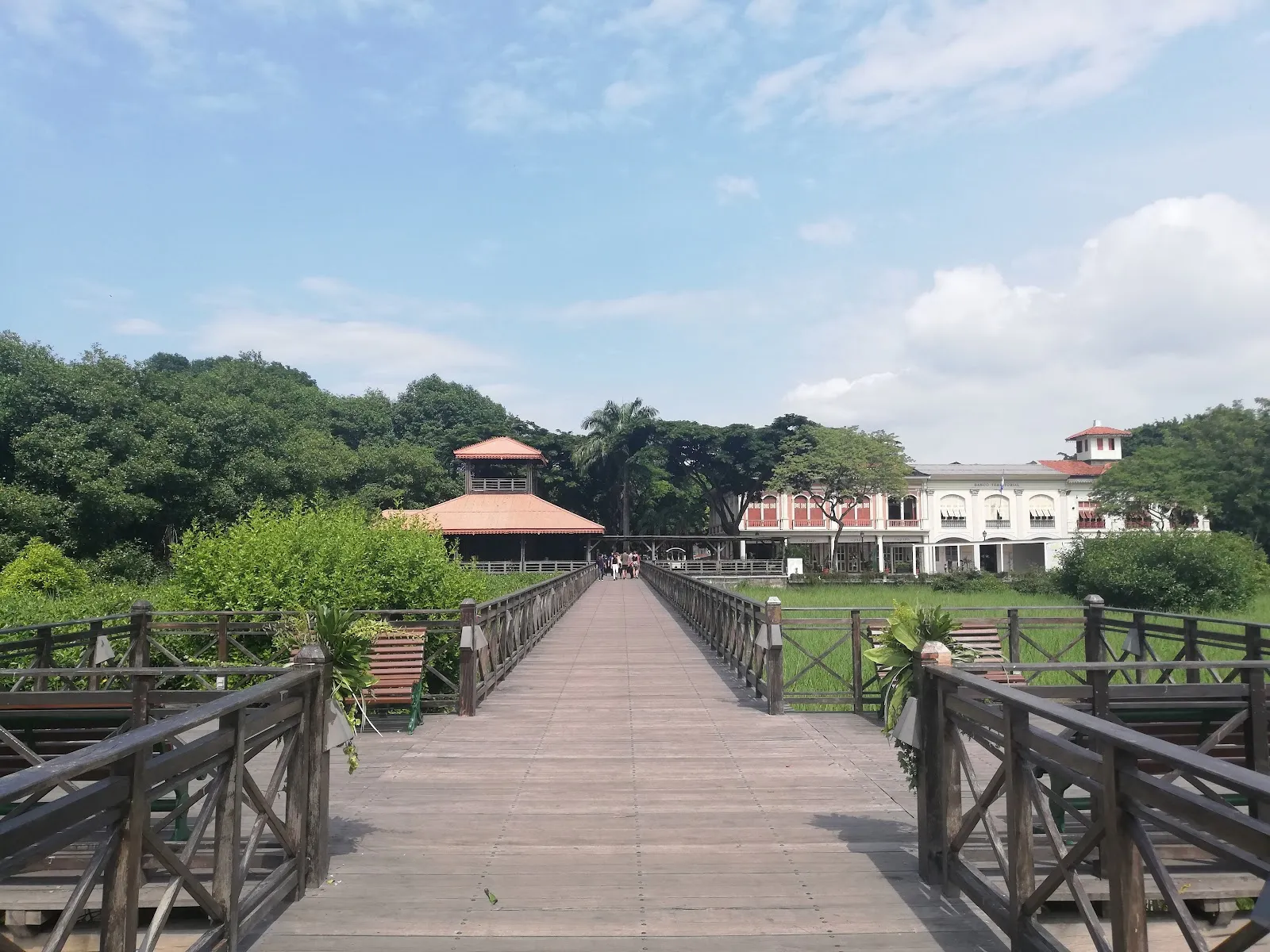
Guayaquil Historical Park

The Central Bank of Ecuador set up the park to keep the culture, customs and history of Guayaquil and the Ecuadorian coast on view. It opened around the turn of the millennium and covers about eight hectares.

The layout pays tribute to the old Province of Guayaquil of 1762, which included the present-day provinces of Guayas, El Oro, Los Ríos and part of Manabí. Before the park, the site held American Park, built by the Baquerizo Moreno family on the beach of the Salado Pond. That beach drew people from Guayaquil in the mid-nineteenth century.

The wildlife zone
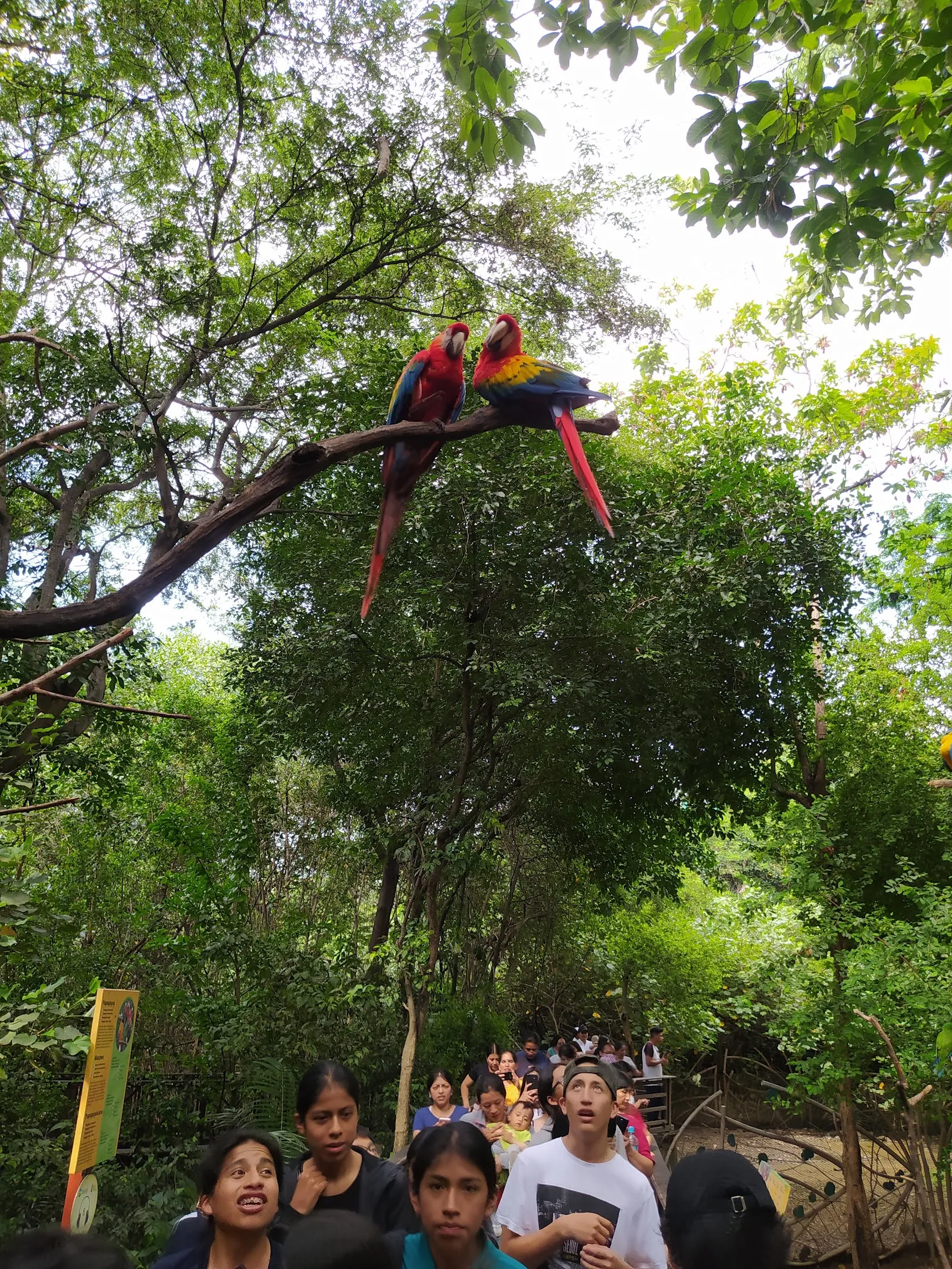
Guayaquil Historical Park

The wildlife zone is the natural part of the park, about four hectares of woodland that holds more than 50 species of birds, mammals and reptiles. Many of the animals are native to Ecuador, and some were rescued from traffickers.

Crocodiles, caimans, parrots and monkeys are among the animals you can see. Some of them are fed while visitors watch, so this part of the park is best seen slowly, with time to stop at each enclosure.

Historic buildings and the Traditions Zone

The Urban Architecture Zone preserves colonial and turn-of-the-century buildings. Several are open, so you can step inside and see the layout of older city houses and how people lived in them.

The Traditions Zone focuses on the cocoa-growing culture of the coastal region. Actors in period costume move among the buildings, and the montubio show is a lively part of the program.

Eating and staying on site

A restaurant inside the park serves local sweets and treats, a good stop between sections. A hotel on the grounds serves breakfast in its courtyard, a calm way to start the day.

The park has few formal activities. Most of the pleasure comes from looking at the water, the animals and the old buildings, which suits a visit without a fixed plan.

Planning the visit

Plan for a leisurely visit rather than a quick stop. The park is listed as good for kids, with a playground, and it is also good for children's birthdays.

The entrance, restrooms, parking lot and seating are wheelchair accessible. The park has a free parking lot and baggage storage. Buy tickets in advance, and bring repellent for the mosquitoes.

Häufige Fragen

How long do you need at the park?

Plan for a leisurely visit rather than a quick stop, since the zones and walks take time to see properly.

Do I need to book tickets in advance?

Buying tickets in advance is recommended.

Is the park wheelchair accessible?

The entrance, restrooms, parking lot and seating are listed as wheelchair accessible.

Is there food inside the park?

A restaurant inside the park serves local sweets and treats, and a hotel on the grounds serves breakfast in its courtyard.

Is the park good for children?

Yes. It has a playground and is listed as good for kids.

Weitere Highlights in Guayaquil

Alle entdecken