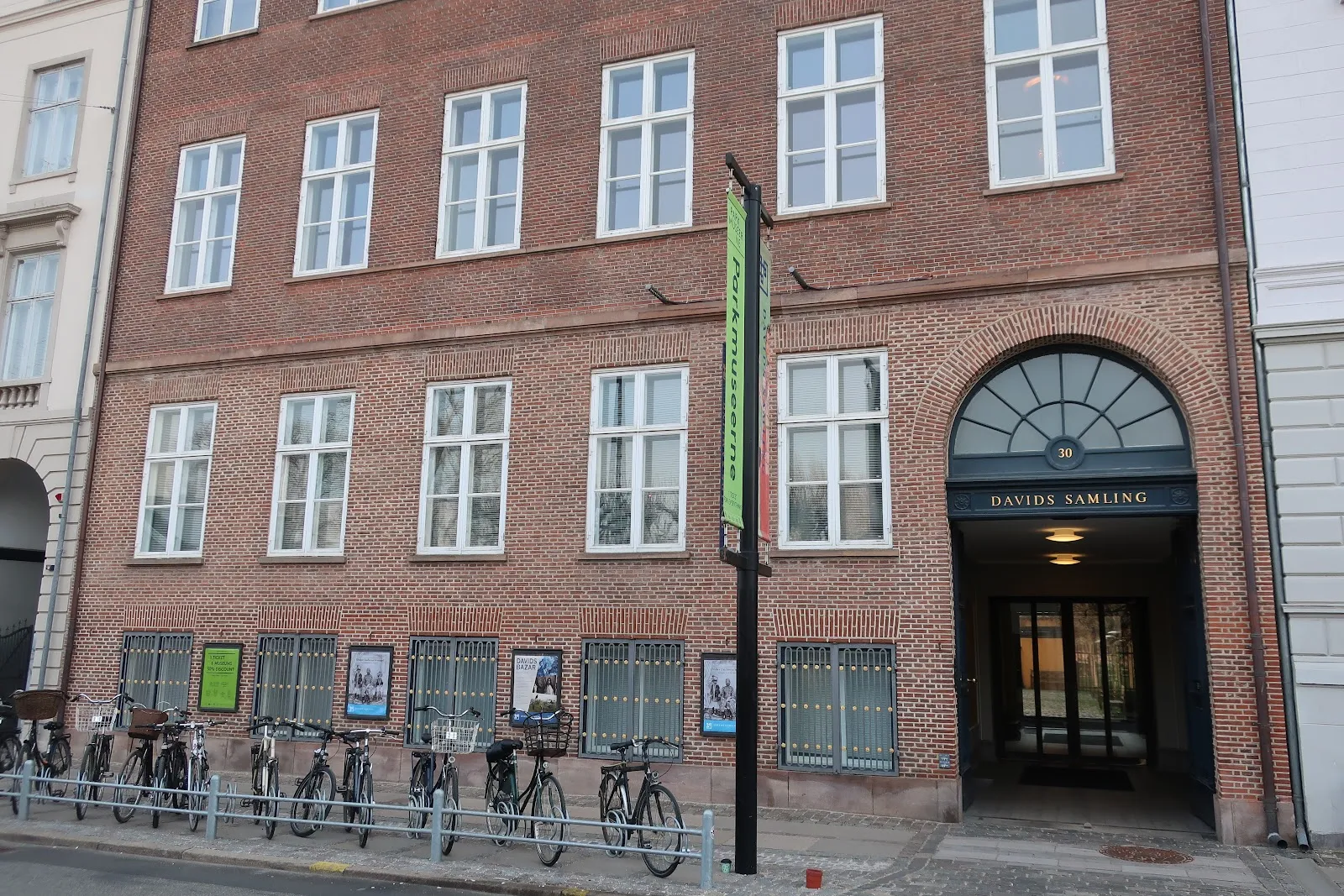
The David Collection is an art museum in a 19th-century townhouse at Kronprinsessegade 30, opposite Copenhagen’s King’s Garden. Its three collections cover Islamic art, European art and Danish early modern art. The Islamic works span the seventh to the mid-19th century, from Spain to China, and include Ottoman mosaics and Persian miniatures. European furniture and porcelain, Danish paintings and silverware add another view of the collection. Entry is free, and the carefully arranged rooms reward a slow visit.
Three collections in one townhouse
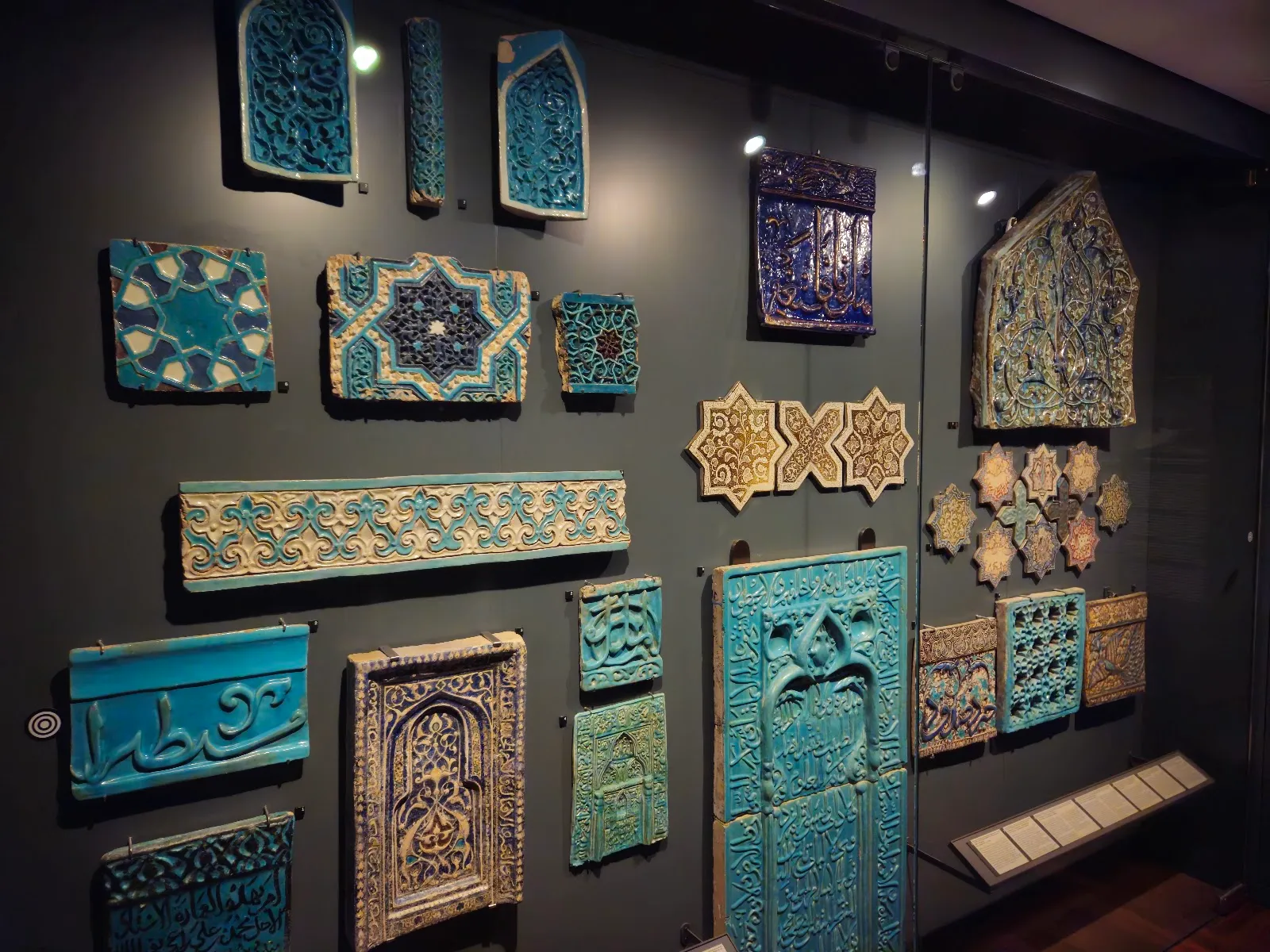
The David Collection brings together Islamic art, European art and Danish early modern art. The museum grew from the collection of Danish lawyer Christian Ludwig David, whose former residence now houses the works. Its rooms place objects from different periods and regions in an orderly sequence, giving you a way to follow changes in artistic traditions as you move through the museum.
The Islamic collection is the largest of the three. It covers decorative art from the seventh to the mid-19th century, with objects from a broad region stretching from Spain in the west to China in the east, and from Uzbekistan in the north to Yemen in the south. Ceramics, jewellery, textiles and other crafted objects show the range of materials and techniques represented. Ottoman mosaics and Persian miniatures are among the works to look out for.
European art and Danish works
The other collections offer a different focus. European art includes 18th-century furniture and porcelain, alongside paintings and decorative objects from across Europe. Danish early modern art adds paintings, sculptures and ceramics by Danish artists. Together, these works give the museum a broader scope than its Islamic collection alone, with objects connected to European domestic life and Danish art.
The collection also includes silverware and furniture from the 17th to 19th centuries. Look beyond paintings to the smaller details of applied art: the materials, surface decoration and craftsmanship are part of what makes a visit rewarding. The museum’s arrangement by timeline and region helps connect individual objects to the wider collection.
Planning your visit
The museum is at Kronprinsessegade 30, opposite the King’s Garden and near Rosenborg Castle. Its location makes it straightforward to pair a visit with time in the gardens. Free admission means you can plan around the collections rather than a ticket cost; allow several hours if you want to read and view the displays at a measured pace.
Much of the exhibition text is in Danish. The museum app provides English descriptions for the artworks, so download it before you begin exploring. Guided tours are another way to learn more about the collection and its history. The galleries span four floors, and the range of objects makes it useful to choose a few sections to focus on if you have less time.
Häufige Fragen
Is the David Collection free to enter?
Yes. Admission is free.
How long do you need at the David Collection?
Allow 2 to 3 hours to explore the collections in detail.
Are the exhibitions described in English?
Much of the exhibition text is in Danish. The museum app provides English descriptions for artworks.
What collections can you see at the David Collection?
The museum has collections of Islamic art, European art and Danish early modern art.