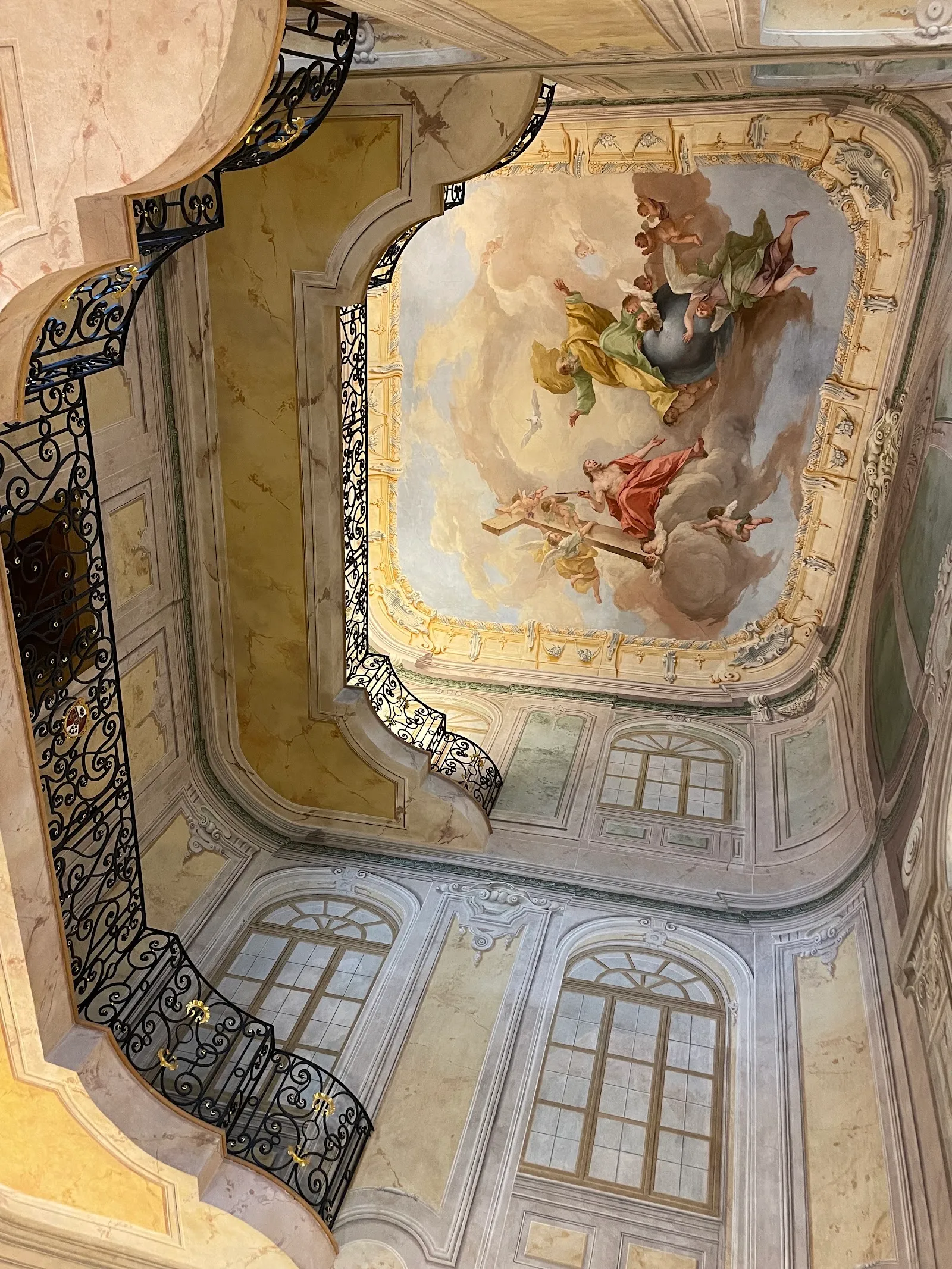
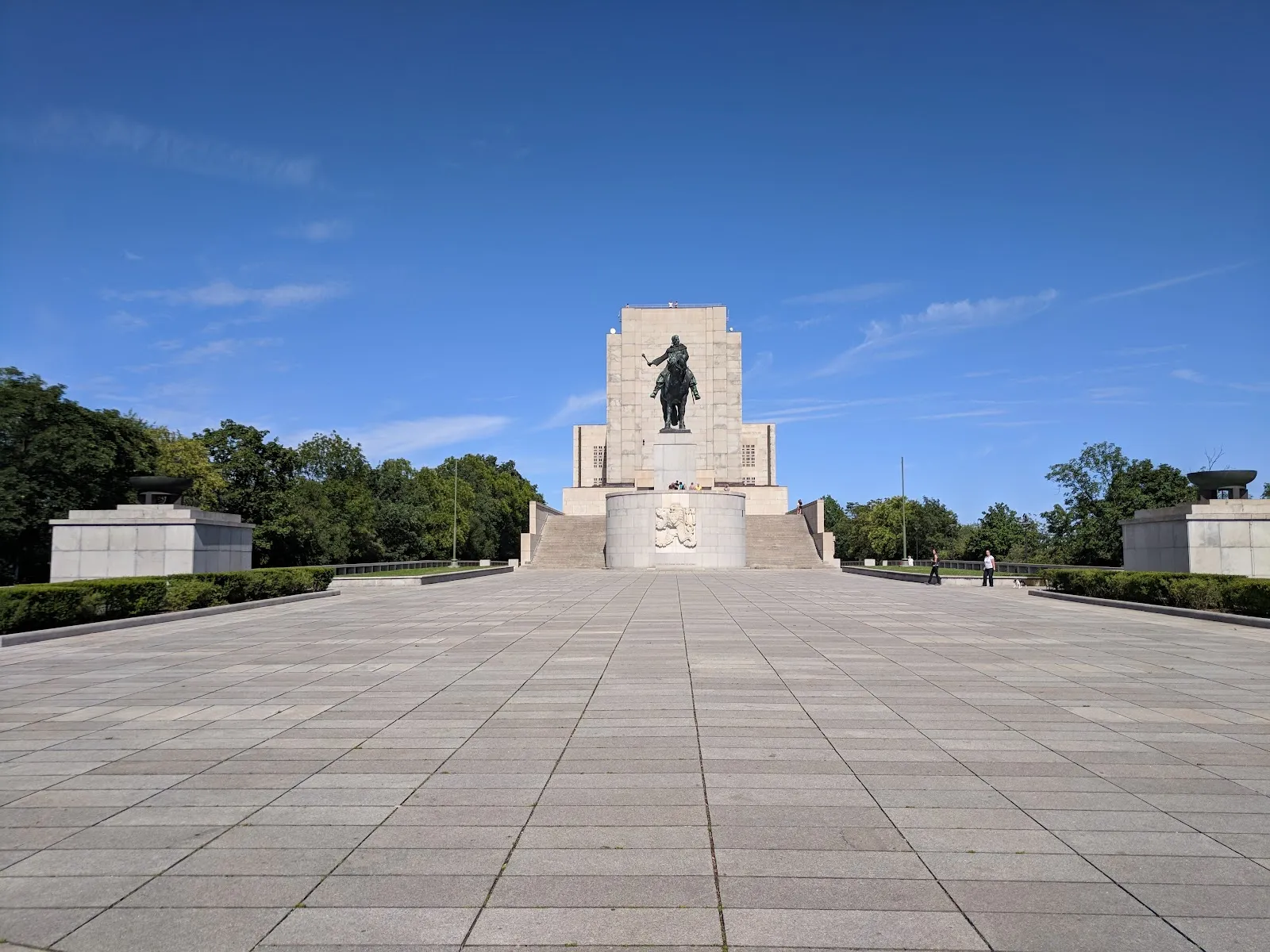
St. Vitus Cathedral stands in the third courtyard of Prague Castle, at III. nádvoří 48/2 in Hradčany. The Czech Republic’s largest and most important church took centuries to complete: work began in 1344 and the building was finished in 1929. Inside, look for the tall Gothic vaults, vivid stained glass, the Chapel of St. Wenceslas and the tombs of Bohemian rulers and saints. The cathedral is also tied to royal coronations and the Bohemian Crown Jewels, making it a significant stop for both architecture and Czech history.
A cathedral built across centuries
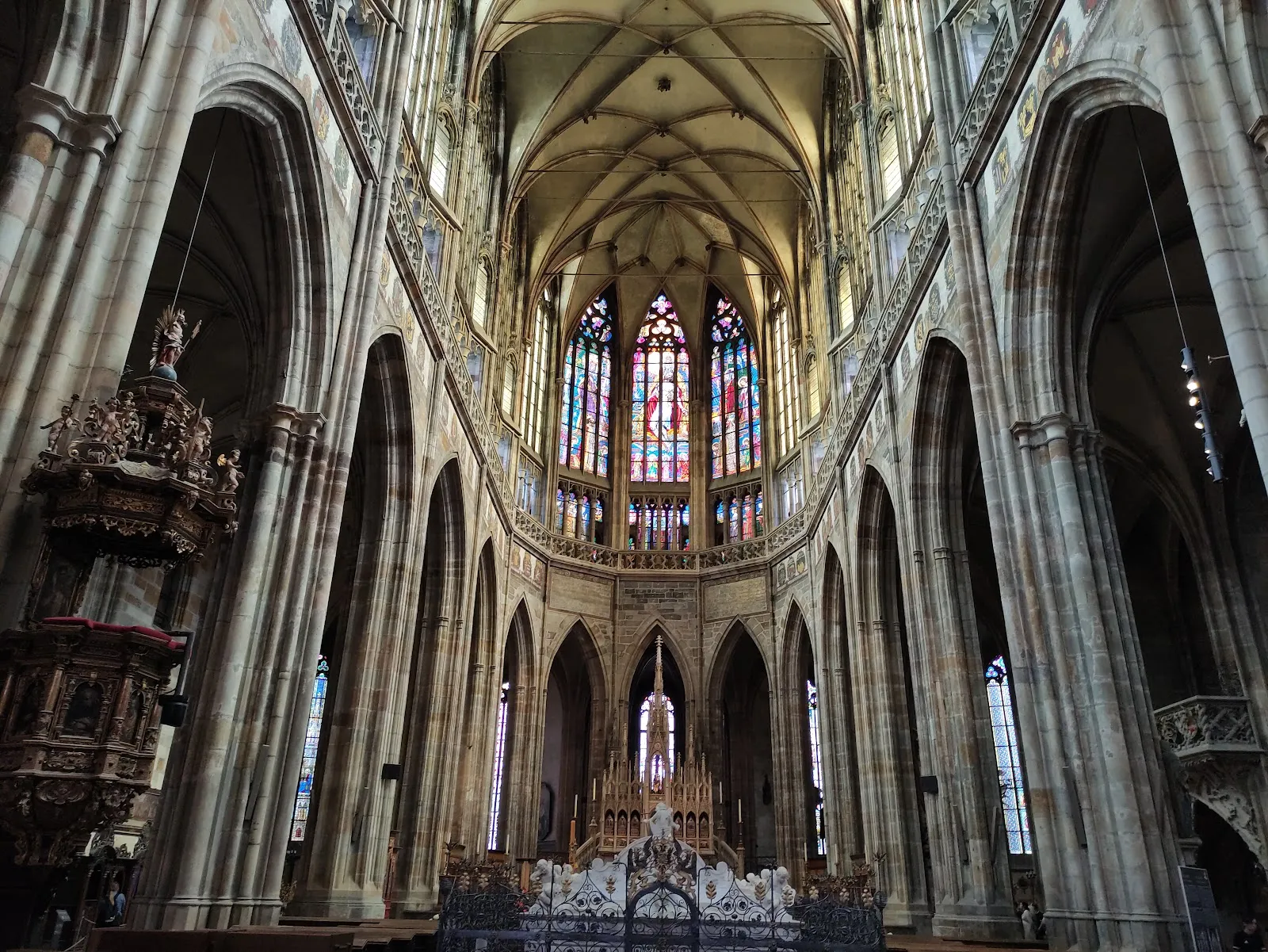
St. Vitus Cathedral occupies the third courtyard of Prague Castle and is the seat of the Archbishop of Prague. It is the largest and most important Christian church in the Czech Republic. Its full name is the Metropolitan Cathedral of Saints Vitus, Wenceslaus and Adalbert.
A Romanesque rotunda stood on the site in the 10th century. Construction of the present cathedral began in 1344, when Charles IV laid its foundation stone. The project stretched over more than five centuries, reaching completion in 1929. That long building history is visible in the mix of architectural styles: medieval Gothic forms sit alongside Renaissance, Baroque and later Neo-Gothic work.
Details inside and out
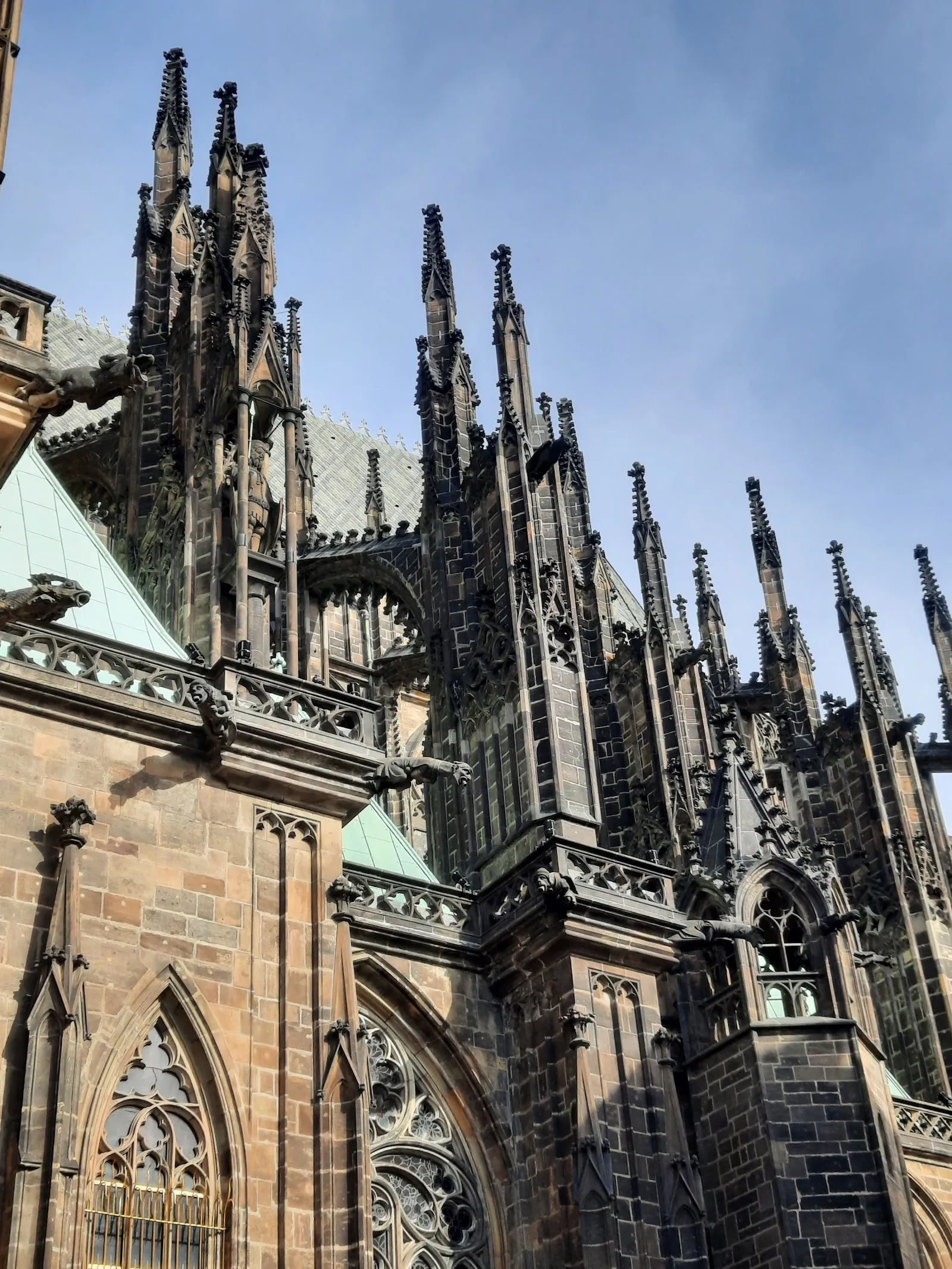
The exterior is marked by soaring towers, sculpted stonework, flying buttresses and gargoyles. Inside, the high vaults draw the eye upward, while stained-glass windows bring colour into the nave. One window was designed by Alfons Mucha, the Czech Art Nouveau artist.
Other works to look for include the medieval mosaic of the Last Judgment and the Chapel of St. Wenceslas, known for its ornate decoration. The cathedral also contains the silver tomb of St. John of Nepomuk, as well as tombs associated with Bohemian kings and saints. Take a slow circuit through the interior to notice how the details change from one part of the building to another.
Royal and religious history
The cathedral has been a setting for Czech royal ceremonies, including coronations, and a burial place for Bohemian rulers and religious figures. It is also associated with the Bohemian Crown Jewels. Together, these connections give the building a role in both the country’s religious life and its history of monarchy.
The cathedral remains a place of worship, so visitors should keep a respectful tone and follow any directions given during services. An audio guide can help explain the building’s history, its art and the symbolism of its decorations. If you are visiting Prague Castle for several sights, allow time here to look beyond the main hall and examine the chapels, tombs and windows.
Häufige Fragen
Where is St. Vitus Cathedral?
It is within Prague Castle, in the third courtyard at III. nádvoří 48/2, Hradčany.
When was St. Vitus Cathedral built?
Construction began in 1344 and the cathedral was completed in 1929. A Romanesque rotunda stood on the site in the 10th century.
What should I see inside St. Vitus Cathedral?
Look for the stained-glass windows, including one designed by Alfons Mucha, the Chapel of St. Wenceslas, the mosaic of the Last Judgment and the tomb of St. John of Nepomuk.
Is St. Vitus Cathedral connected to Czech royalty?
Yes. Czech royal coronations took place here, and the cathedral contains tombs of Bohemian rulers. It is also associated with the Bohemian Crown Jewels.