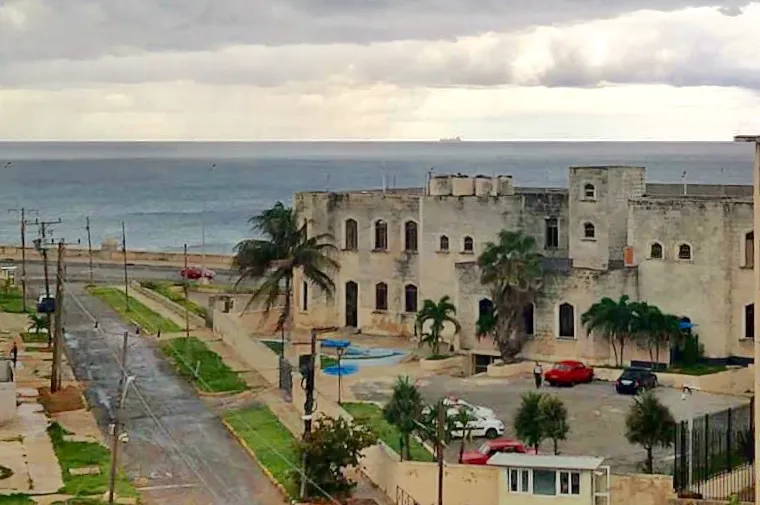
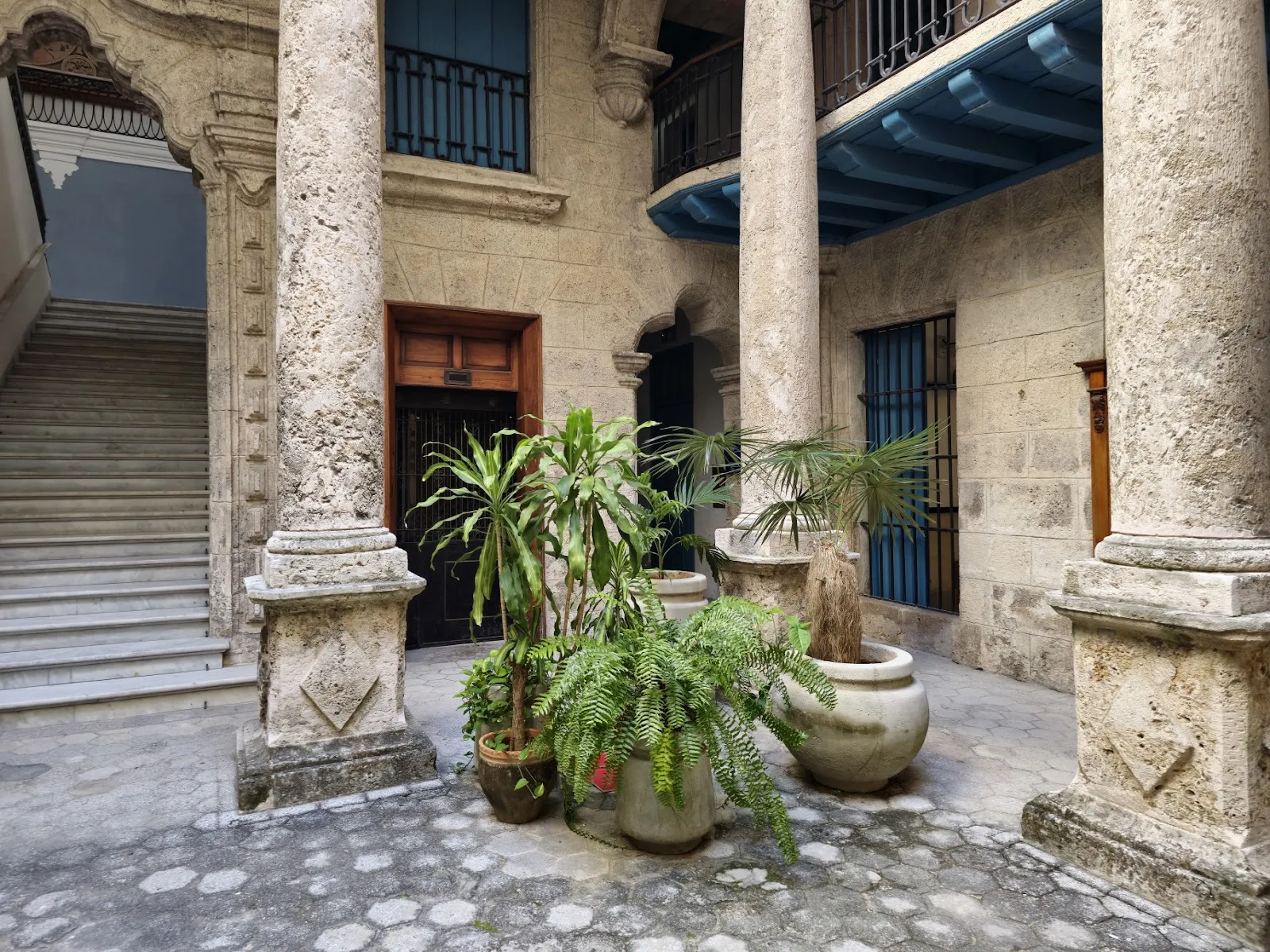
Fortaleza de San Carlos de la Cabaña is an immense 18th-century fortress on the eastern side of Havana Harbor. Its long walls, old cannons and open grounds make it a rewarding daytime stop, with broad views across Havana. The fort was built after British forces used the ridge to attack the city in 1762. Return in the evening for the 9 p.m. cannon ceremony, staged in colonial uniforms. Shops inside and nearby sell cigars, and some demonstrate traditional cigar rolling.
Why the fortress was built
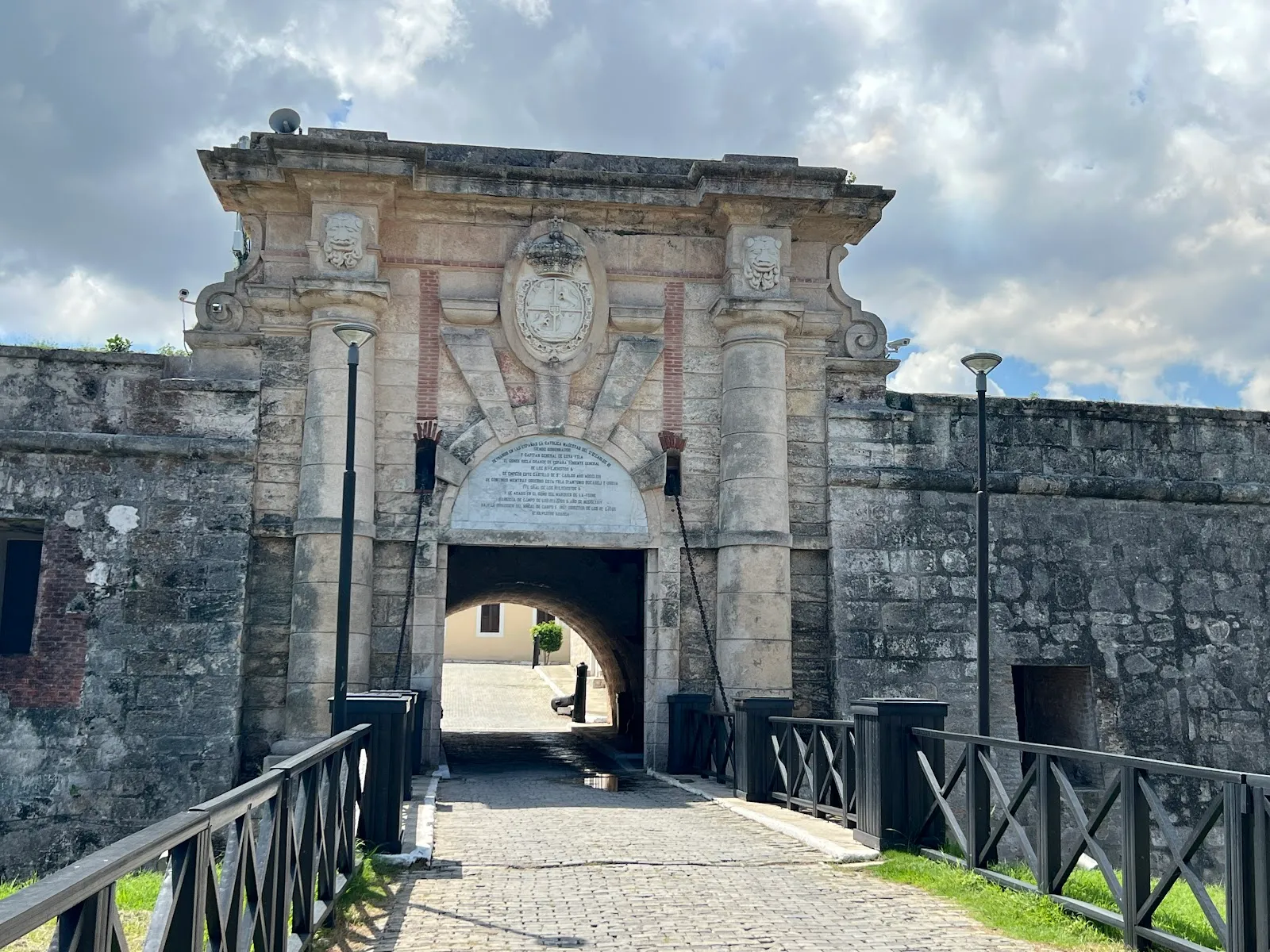
The fortress occupies a ridge on the eastern side of Havana Harbor. In 1762, British forces captured this high ground and used it to bombard Havana. After the city fell, Spain ordered a new fortification to strengthen its defenses against another attack.
Construction began in 1763 and finished in 1774. Named for King Carlos III, the fortress stretches for about 700 metres and is described as the largest in the Americas. Its scale is clear in the long defensive walls and the cannons positioned around the grounds.
Explore the grounds and evening ceremony
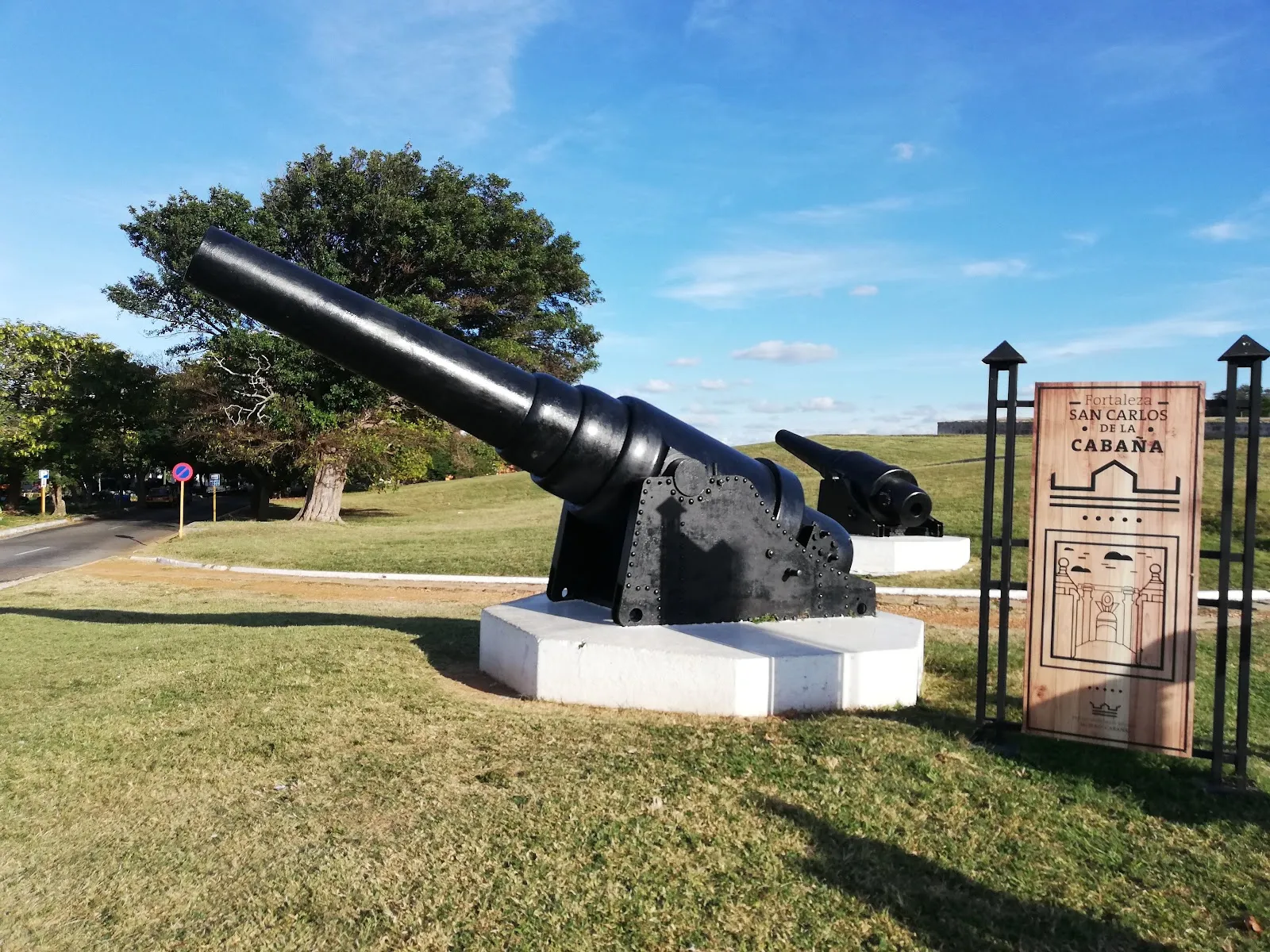
You can walk around the historic site during the day, see the cannons and enjoy the open, park-like setting. The elevated position also gives views across Havana and the harbor. Shops within and near the fort sell cigars in different brands and sizes; some have demonstrations of cigar rolling.
At 9 p.m., a staged ceremony recreates the cannon blast that marked the evening. Performers wear colonial uniforms and use muskets before firing a cannon. The fort is across the bay from downtown Havana, so plan your return transport before the show. Arriving around 8 p.m. gives you time to see the sunset before the ceremony.
Häufige Fragen
When is the cannon ceremony?
The staged cannon ceremony takes place at 9 p.m. It includes performers in colonial uniforms and a cannon blast.
How do you get back to Havana after the ceremony?
Arrange transport in advance. Walking back through the tunnels is not allowed.
Can you buy cigars at the fort?
Cigar shops inside or near the fort sell different brands and sizes. Some also demonstrate cigar rolling.