Aquarium Pula is housed in Fort Verudela, a late 19th-century Austro-Hungarian fortress on the Verudela peninsula, about 3 km from the centre of Pula. The fort was built in 1886 to defend the port, and it has been converted into an aquarium since 2002. Its rooms, tunnels and moat hold more than 200 species of marine and freshwater animals, from Adriatic fish and seahorses to tropical species and sharks. The sea turtle rescue centre treats injured turtles before releasing them, and the rooftop lookout gives views over the coast.
Inside the fort
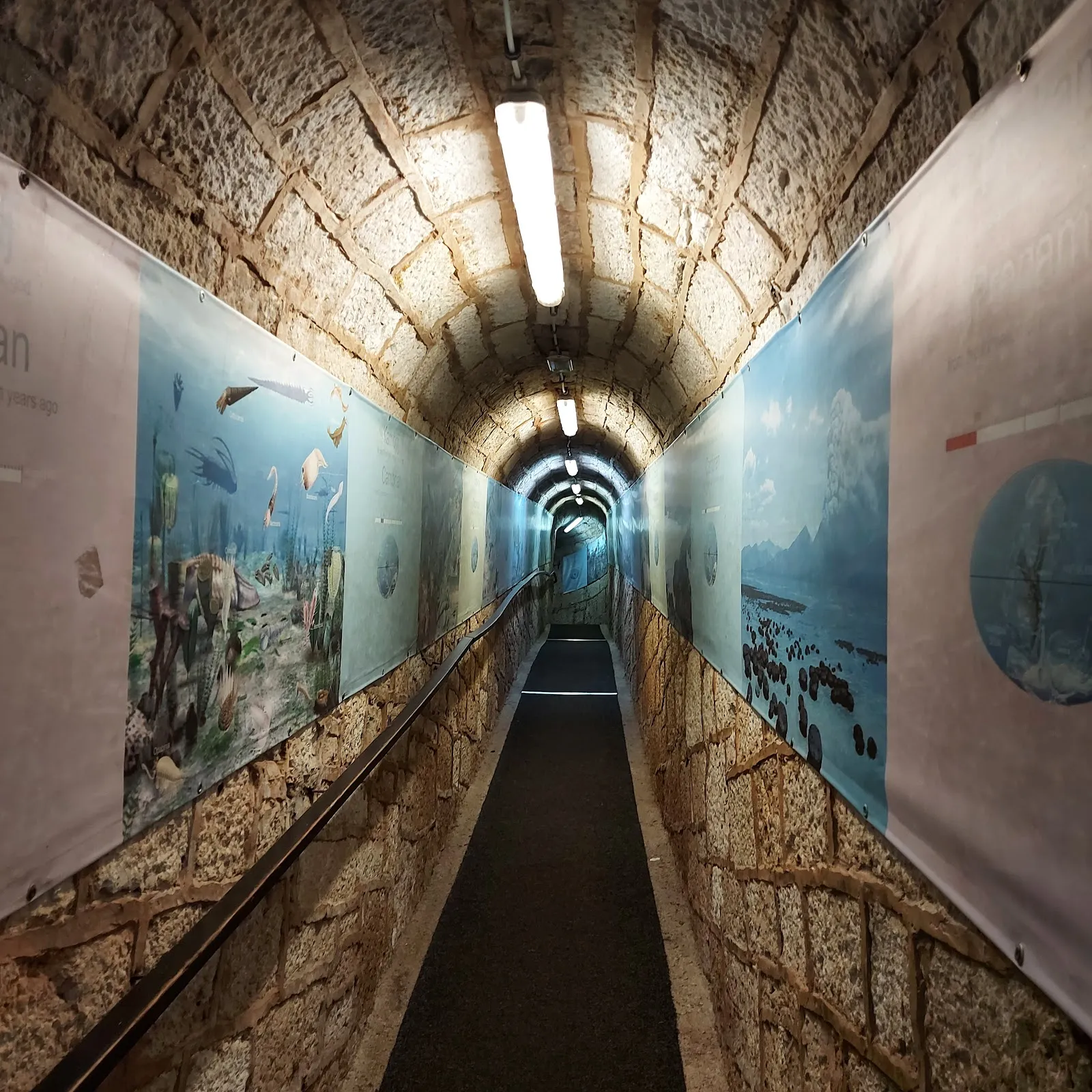
The aquarium uses the ground floor, the moat and several upper floors of the fort. The conversion of the fortress into an aquarium began in 2002, and the old military structure still shapes the visit.
Narrow, steep tunnels lead to former shelter rooms that now present displays on the progression of life on Earth. The exhibitions are spread across two buildings and several floors. One building focuses on international marine species, and the other focuses on Mediterranean species.
The aquarium is described as the largest in Croatia, and the fort's stone walls give the displays a setting you will not find in a modern building.
Marine life on display
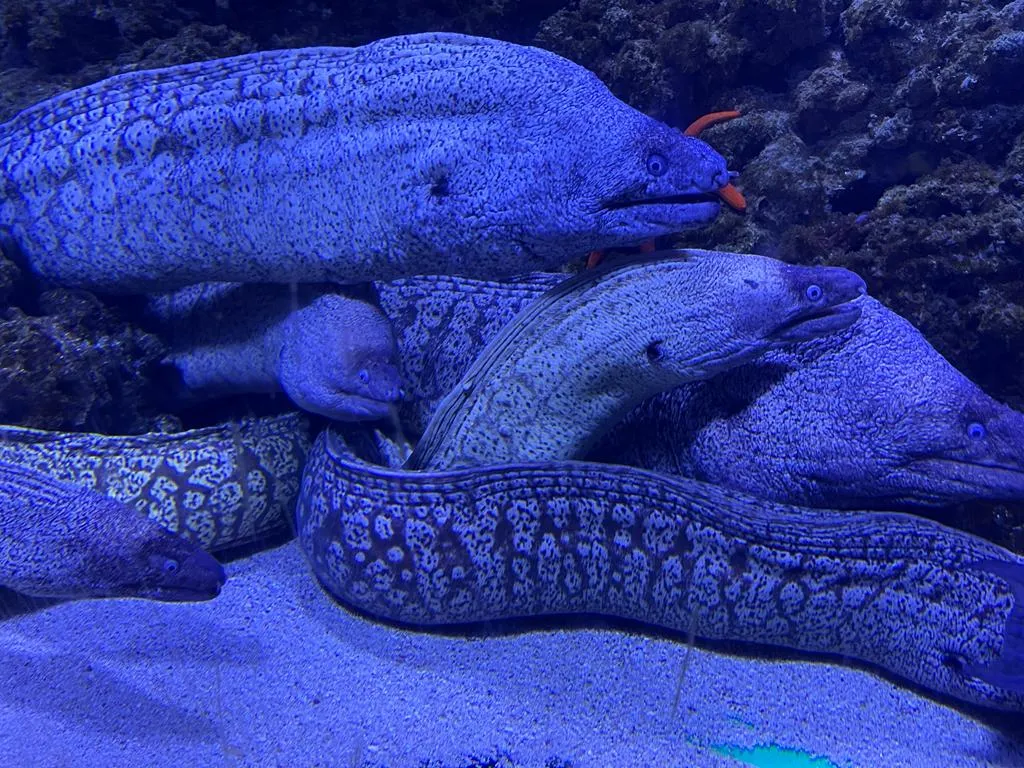
The exhibits cover animals from the Adriatic as well as species from tropical habitats and from freshwater, including Croatian rivers and lakes. Visitors can see seahorses, jellyfish, octopuses, rays, crabs and sharks.
Some tanks hold reptiles and amphibians, including caimans. The freshwater displays include sturgeon, piranhas and stingrays.
A touch pool holds starfish, sea urchins, crabs and sea squirts, which makes it a good stop for children. The shark exhibit has enough room for the animals to swim freely, and its displays explain how sharks live and develop.
The sea turtle rescue centre
The centre treats injured or sick sea turtles and releases them back into the sea once they recover. The work is tied to the protection of the green turtle, whose population in Mediterranean waters is small. Adult females are said to number in the hundreds.
Visitors can adopt a sea turtle, which supports the centre's work. The rescue centre is one of the reasons the aquarium is valued for its conservation focus as well as its displays.
Learning and workshops
The Blue School runs workshops on a range of fish and sea topics, so the aquarium works for school groups and families who want more than a walk past the tanks.
Some exhibits are working laboratory rooms. In these spaces the aquarium breeds jellyfish, and staff explain the process to visitors who stop to look.
Planning the visit
Plan at least two hours. The site is bigger than it looks from outside, and many visitors find they stay longer than planned.
The adult ticket has been priced at €25. Check the official website for the current rate before you go.
The entrance and the parking lot are wheelchair accessible. Free parking is available, both in the car park and on the street. A playground, a gift shop and a café make the visit easier with children.
Häufige Fragen
Is there an entry fee?
Yes. Adult tickets have been priced at €25, so check the official website for the current rate. Tickets can be bought online, but online prices are not lower than tickets bought on site.
How long do you need?
Plan 2 to 3 hours for a typical visit. The site has several floors and two buildings, so allow more time if you want to read the displays closely.
Can you see sea turtles?
Yes. The aquarium runs a sea turtle rescue and rehabilitation centre, and visitors can adopt a sea turtle.
Is the aquarium wheelchair accessible?
The entrance and the parking lot are wheelchair accessible.
Where is Aquarium Pula?
It is in Fort Verudela on the Verudela peninsula, about 3 km from the centre of Pula, at Verudela 29.