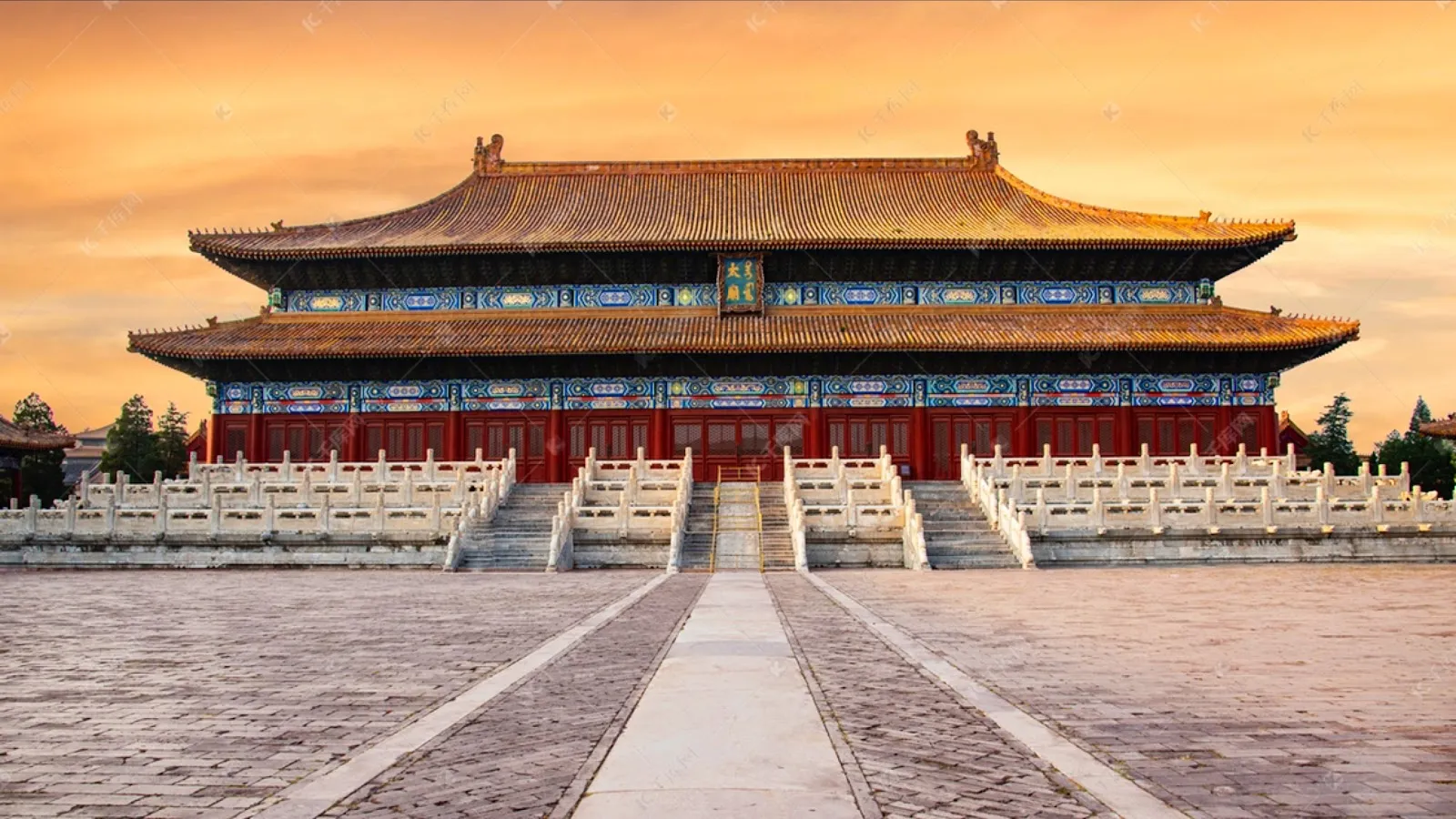
Just outside the Forbidden City in Beijing, the Imperial Ancestral Temple was the setting for Ming and Qing imperial ceremonies honoring ancestors. Its halls follow a layout similar to the Forbidden City, with the Hall for Worship of Ancestors raised on a rare three-tiered platform. You can explore buildings associated with emperors, empresses, princes and court officials, then walk among old trees in the surrounding park. The quieter grounds make this a useful stop before or after the Forbidden City, especially if you want more context on imperial ritual.
A setting for imperial ceremonies
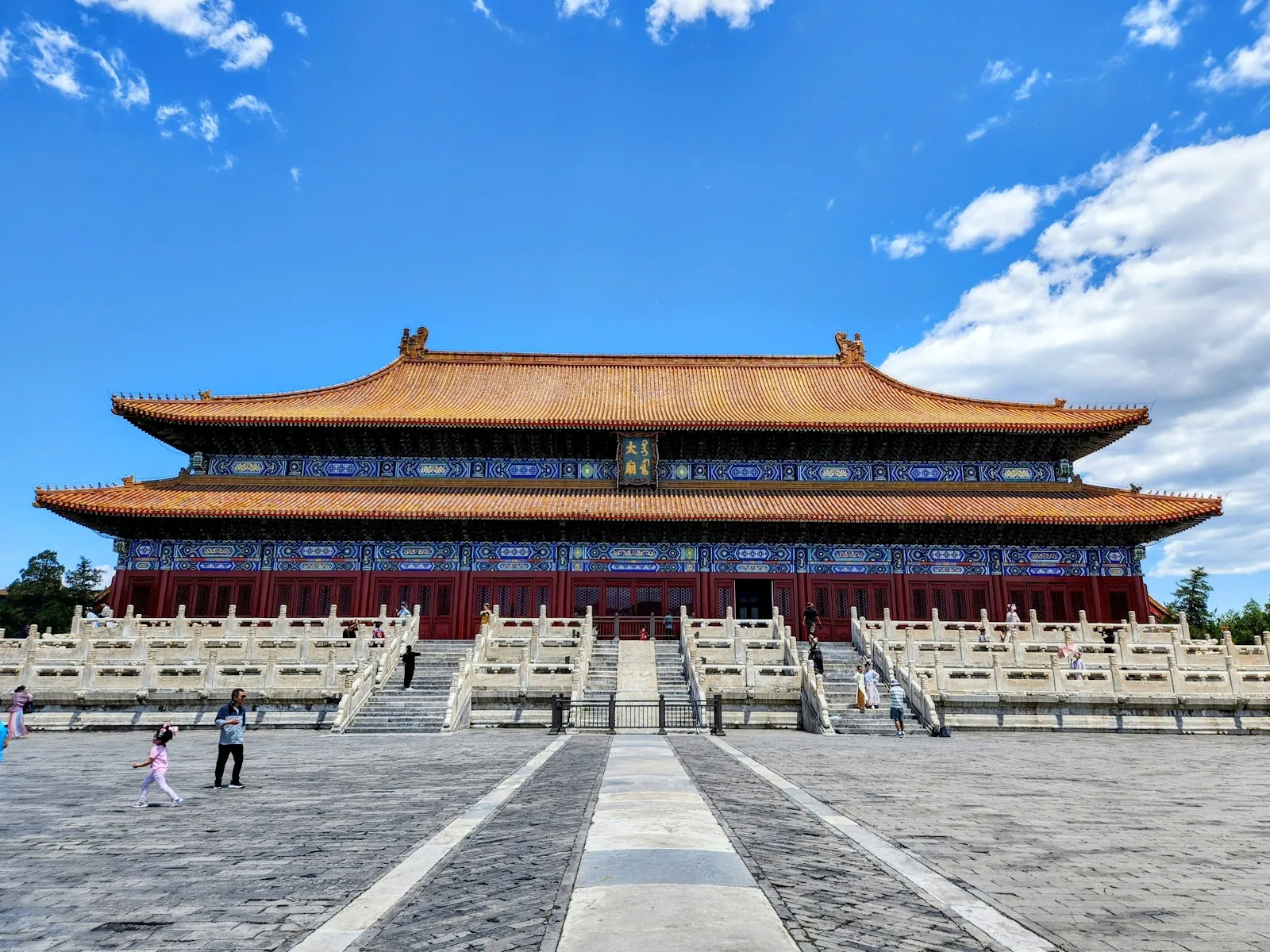
The Imperial Ancestral Temple, also known as Taimiao, stands in Beijing’s Imperial City just outside the Forbidden City. During the Ming and Qing dynasties, emperors came here for ceremonies honoring their ancestors, held on important festival occasions and at times of major national events.
The complex was completed in 1420 and was rebuilt more than once in later reigns. Its arrangement of buildings and courtyards resembles the Forbidden City’s plan. Walls divide the grounds into three large courtyards, with halls set along the central axis and buildings to either side.
The Hall for Worship of Ancestors
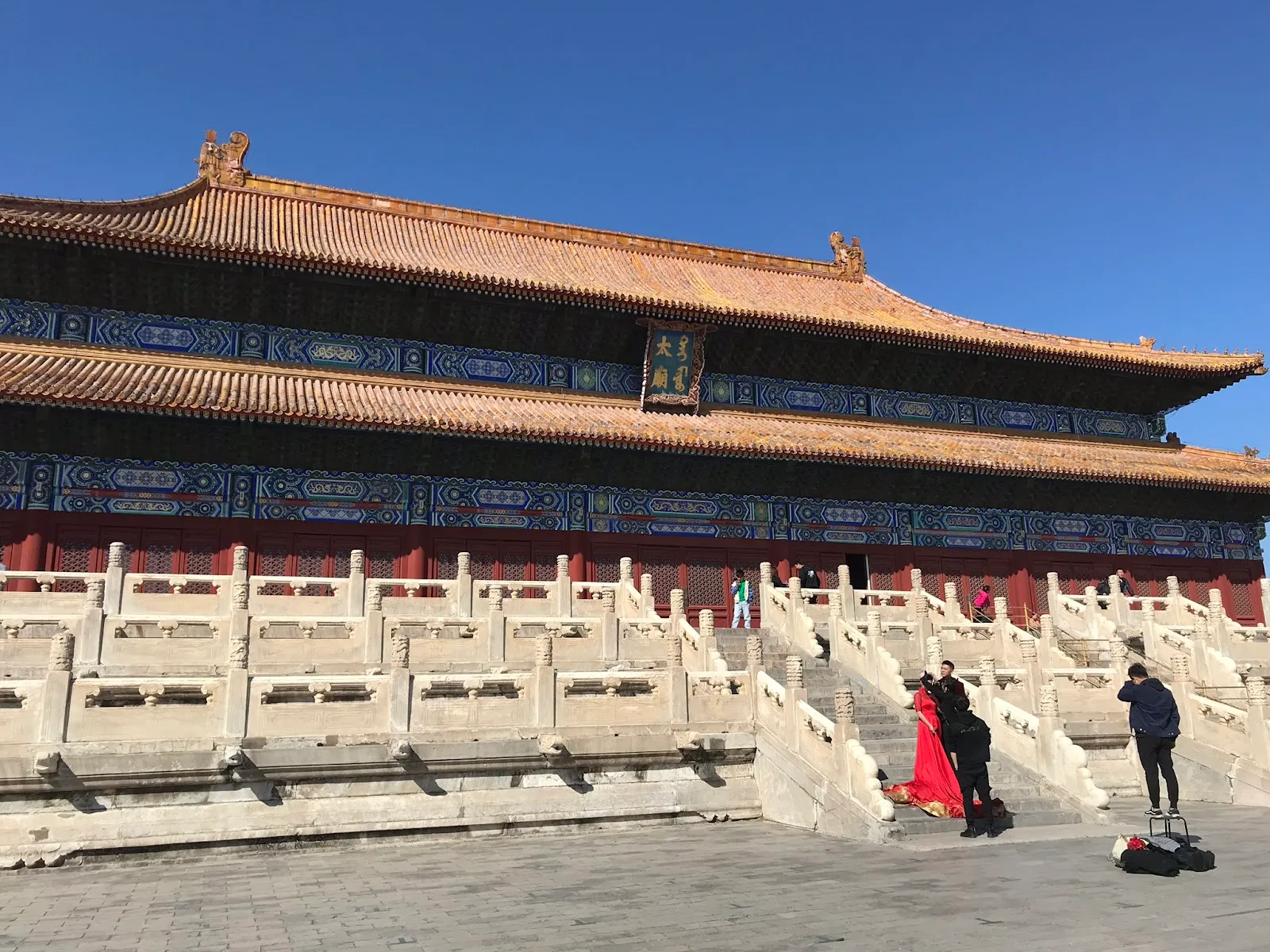
The main hall is the Hall for Worship of Ancestors. It stands on a three-tiered platform, a feature shared by only a small number of buildings in Beijing and a sign of the hall’s exceptional status in imperial ritual. Inside, seats and beds held the tablets of emperors and empresses, alongside incense burners and offerings.
The long buildings flanking the courtyard had separate roles. The western worship hall housed spirit tablets for court officials honored for their service; the eastern one held tablets for princes of the Ming or Qing dynasty. Other halls stand behind the main building, extending the sequence of courtyards.
Walking through the grounds
The temple’s historic buildings sit within a park planted with old trees, including trees dating to the Ming period. The grounds provide space to walk between the courtyards and pause beneath the trees, away from the heavier visitor traffic around the Forbidden City.
Admission to the garden and to the temple itself is separate. The garden has been listed at 2 yuan, with an additional temple charge reported at 15 yuan during peak season; check the current ticket arrangements before you go. The park opens earlier than the temple halls, so an early visit can begin with a walk through the grounds before you enter the buildings.
Häufige Fragen
Where is the Imperial Ancestral Temple?
It is in Beijing’s Imperial City, just outside the Forbidden City.
What was the temple used for?
Ming and Qing emperors held ceremonies here to honor their ancestors, including rituals on important festival occasions.
How long should I allow for a visit?
About an hour is enough to explore the temple and its history.
Is the garden ticket separate from temple admission?
Yes. The garden and temple have separate admission, and a higher temple fee has been reported during peak season. Check the current ticket arrangements before visiting.