This Montréal historic site preserves the Victorian home where Sir George-Étienne Cartier lived from 1848 to 1871. Cartier helped bring French-speaking communities into the movement for Confederation, contributed to Manitoba’s creation and introduced legislation establishing the Canadian Pacific Railway. Inside, exhibits and interactive activities explore his personal life and political work. The site comprises two adjoining houses, with period interiors that offer a glimpse of a wealthy 19th-century household. A guided tour can add context about how the rooms were used.
A home shared by two houses
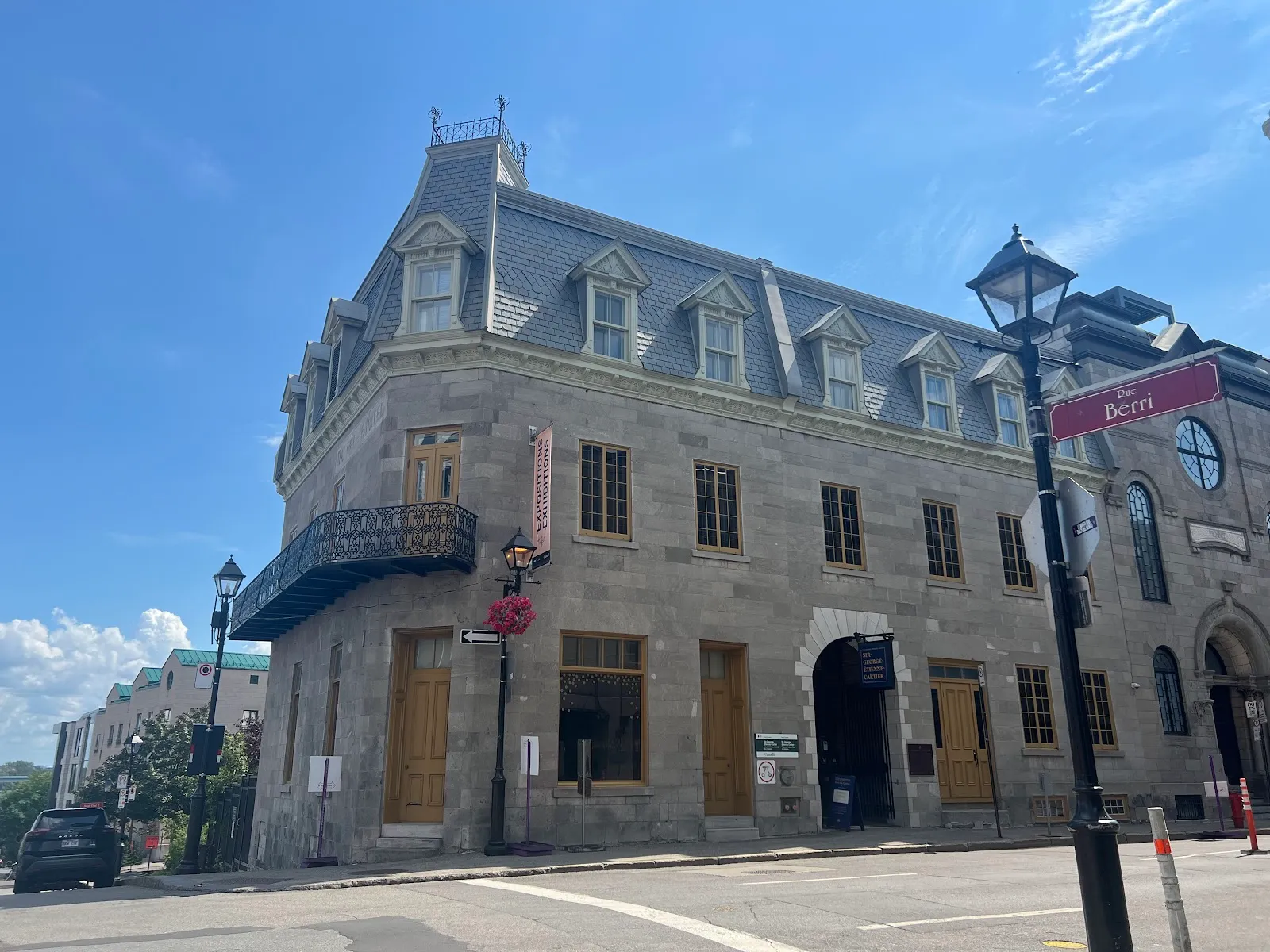
The historic site consists of two adjoining houses, originally built as separate homes. Today, they form one building. Their façades on Notre-Dame Street and Berri Street are made of cut stone, while the rear wall uses rubble stone.
On the Notre-Dame Street side, look for the projecting windowsills and the carriage entrance, topped by a segmented arch. The preserved Victorian interiors give a sense of how a wealthy household lived in 19th-century Montréal.
Cartier’s years in Montréal
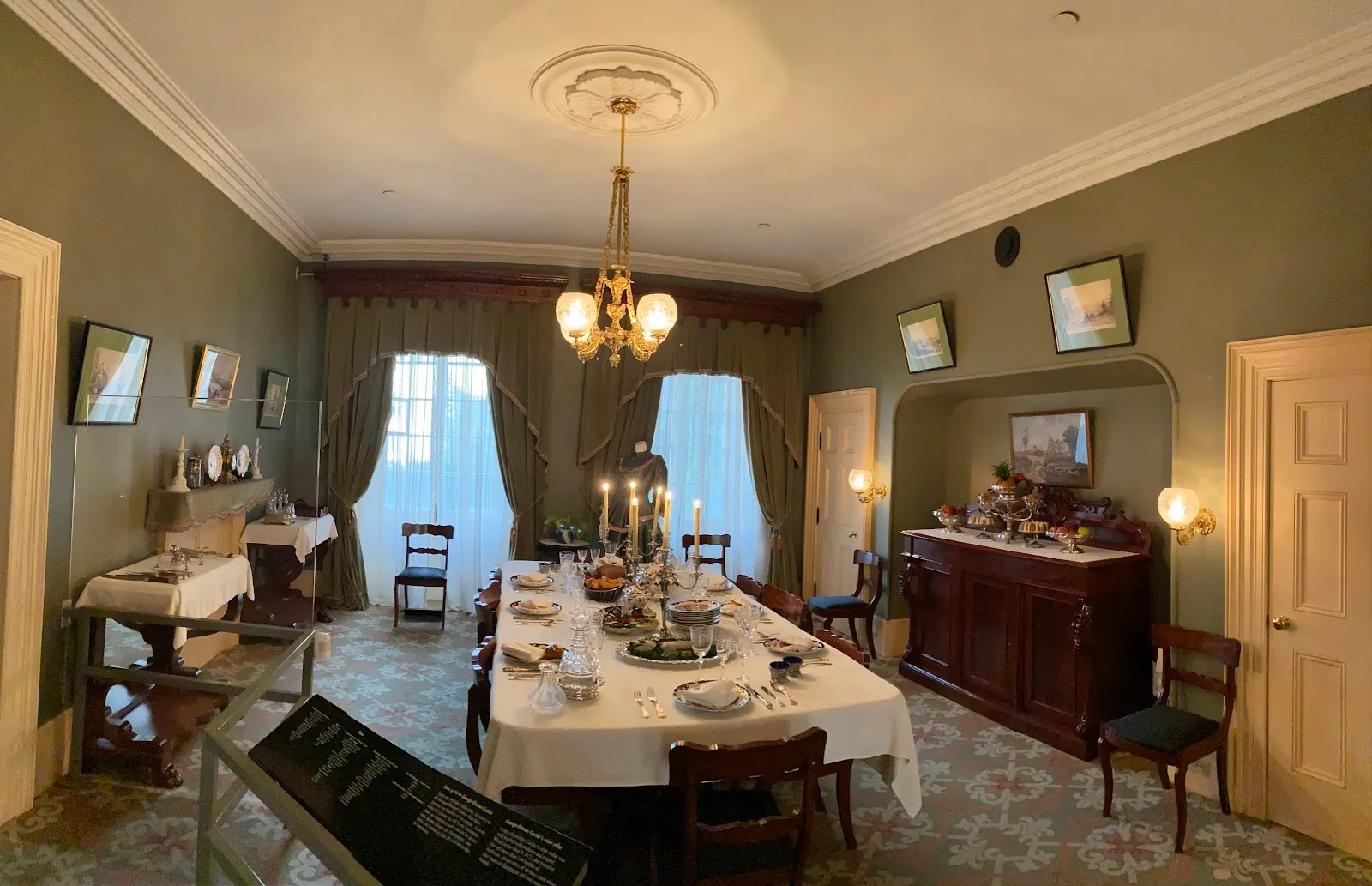
Sir George-Étienne Cartier lived in the house from 1848 to 1871. A lawyer and one of the founders of Canada, he worked to rally French-speaking communities to the Confederation cause. His political work also included helping negotiate the creation of Manitoba and introducing legislation that established the Canadian Pacific Railway.
Exhibits connect Cartier’s personal life with his political career and the making of Canada. Interactive activities give younger visitors a way to engage with the history. A guided tour can provide added detail about the rooms and their uses.
Häufige Fragen
Where did George-Étienne Cartier live in Montréal?
He lived in this house from 1848 to 1871. The historic site is at 458 Notre-Dame Street East.
What can you see at the Sir George-Étienne Cartier Historic Site?
The site has Victorian interiors, exhibits about Cartier’s personal and political life, and interactive activities.
Is there a guided tour?
Guided tours are recommended for more detail about the rooms’ history and uses.
What is special about the house’s architecture?
The site joins two houses that were originally separate. Its Notre-Dame and Berri Street façades are cut stone, and the Notre-Dame side has a carriage entrance with a segmented arch.