At Dijver 12, the Groeninge Museum traces six centuries of Flemish and Belgian art, from early Netherlandish painting to modern works. Its compact galleries include Jan van Eyck’s Madonna with Canon van der Paele and paintings by Hans Memling, Gerard David and Hieronymus Bosch. Look closely at the precise details in the older works, then follow the collection into later movements, including Flemish Expressionism and modern art. The focused selection suits an art-minded stop; it has less breadth than a large, general art museum.
Six centuries of Flemish and Belgian art
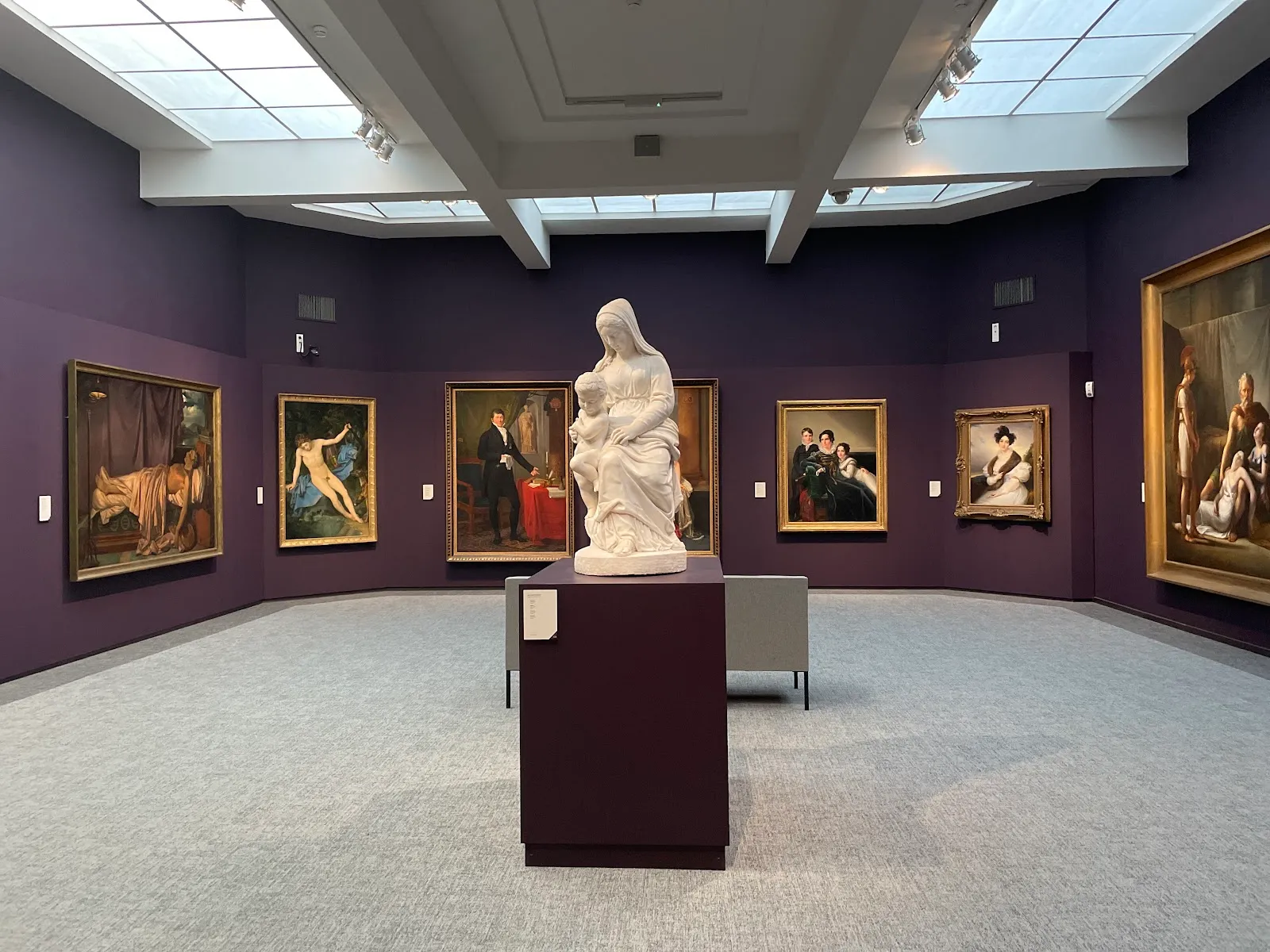
The collection gives an overview of Belgian visual art across six centuries. Its strongest focus is Flemish painting, with works by artists associated with Bruges and the wider Low Countries. Early Netherlandish painters sit alongside Renaissance and Baroque works, later Belgian movements and modern art.
The museum’s scale keeps the visit focused. Rather than covering every tradition in European art, it concentrates on Flemish and Belgian works. That makes it a useful stop if you want to spend time with paintings tied to the region’s artistic history, but a narrower choice if you are looking for a broad survey of world art.
Look closely at the early masters
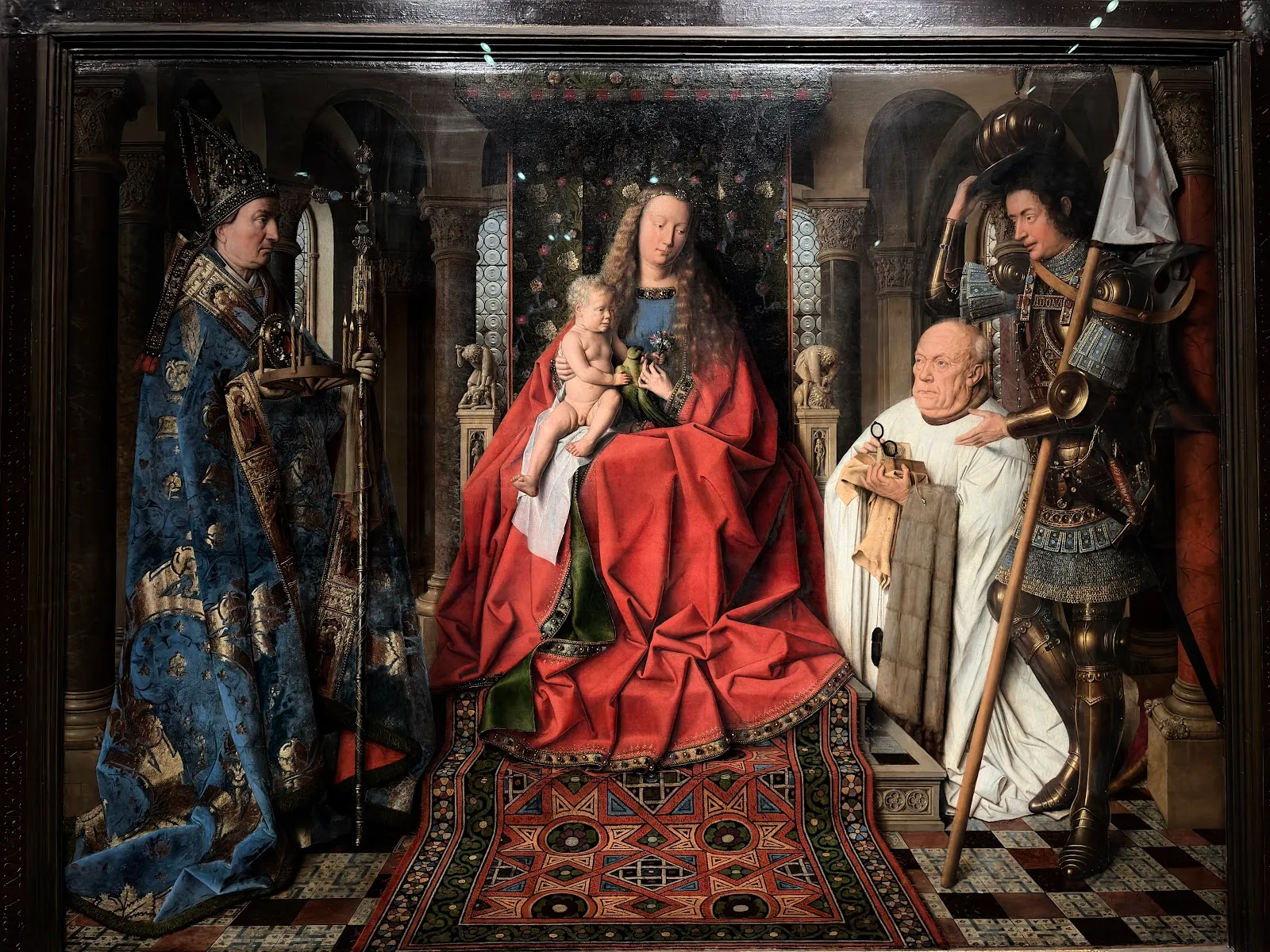
Jan van Eyck’s Madonna with Canon van der Paele is among the collection’s best-known paintings. Completed in 1436, it depicts the Virgin and Child with a Bruges church official and is noted for its precise details and realistic treatment. Take time to look at the faces, garments and surrounding details rather than viewing it only from a distance.
Works by Hans Memling, Gerard David, Hugo van der Goes and other Flemish painters add depth to the early collection. The Moreel Triptych by Memling is another notable work. These paintings connect religious subjects and portraits with the city’s history and the people who commissioned art in Bruges.
From classical painting to modern art
The galleries extend beyond the Flemish Primitives. The collection includes neoclassical works, Flemish Expressionism and modern Belgian art, with artists such as René Magritte, Roger Raveel and Raoul De Keyser represented. This wider range lets you compare changes in style across the collection without leaving the subject of Belgian art.
Information is provided alongside the artworks, and selected pieces have audio explanations. Audio material and the museum’s QR-code content can help place particular works in context. If you want to read the descriptions throughout, allow more time than a quick circuit; the collection rewards a slower pace.
The museum site and practical details
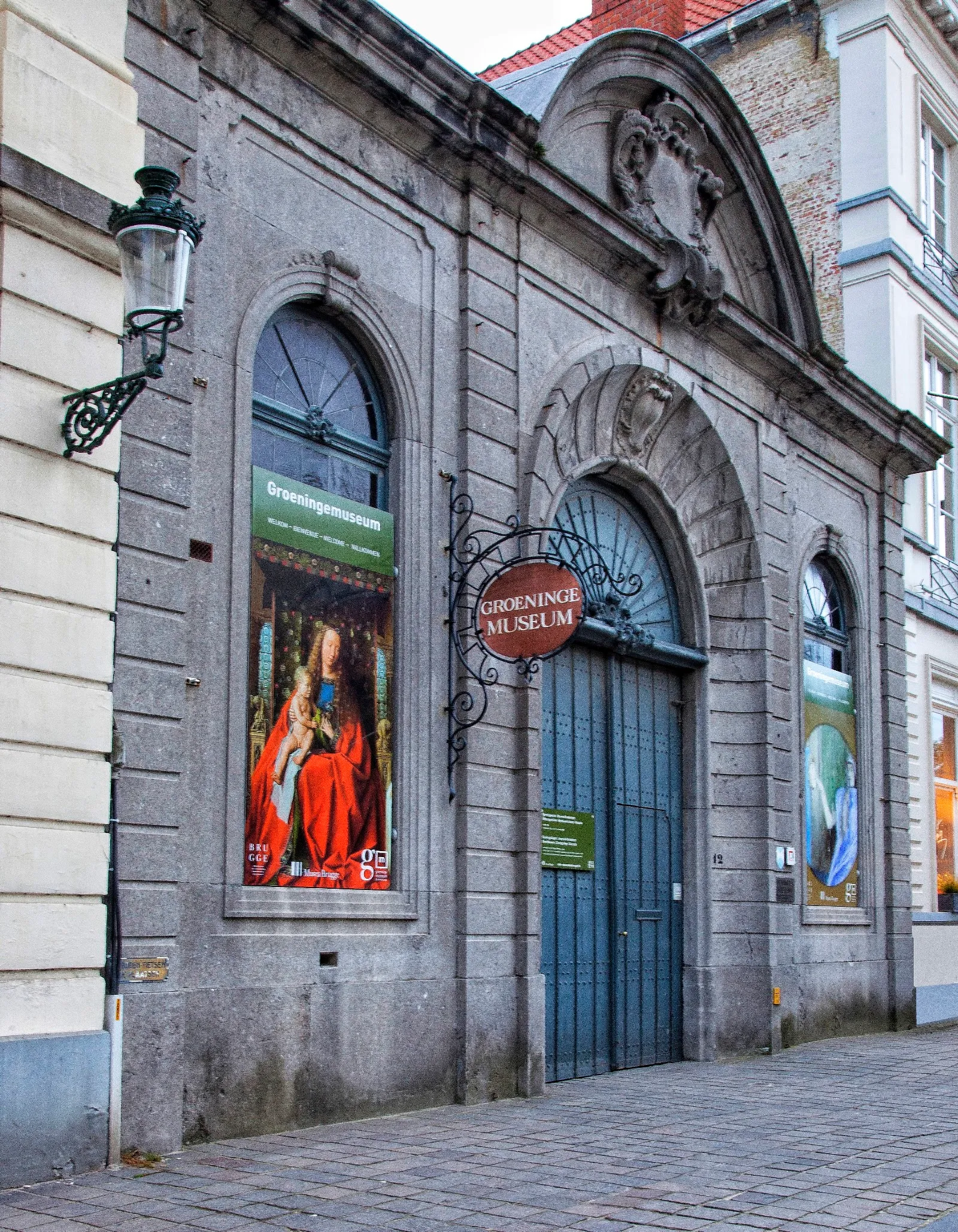
The museum stands at Dijver 12 on the site of the medieval Eekhout Abbey. The abbey was demolished in the 19th century, but its monumental entrance gate remains and gives access to the museum grounds. The building dates to the early 20th century.
The museum is closed on Mondays and open Tuesday to Sunday, according to its listed schedule. Admission is charged, and advance ticket booking is recommended. Check the museum website for current admission information and what is on display during your visit. Lockers are available for bags, and the museum has accessible entrance and restroom facilities.
Häufige Fragen
What are the highlights of the Groeninge Museum?
Jan van Eyck’s Madonna with Canon van der Paele and Hans Memling’s Moreel Triptych are among its notable works. The collection also includes Flemish and Belgian art from later periods.
How long should I allow for a visit?
The collection is compact, but the time needed depends on how closely you read the artwork descriptions. Allow extra time if you plan to explore the paintings in detail.
Is the Groeninge Museum closed on any day?
Yes. It is closed on Mondays and open Tuesday to Sunday.
Can I buy tickets in advance?
Advance booking is recommended. Check the museum’s website for current ticket information.