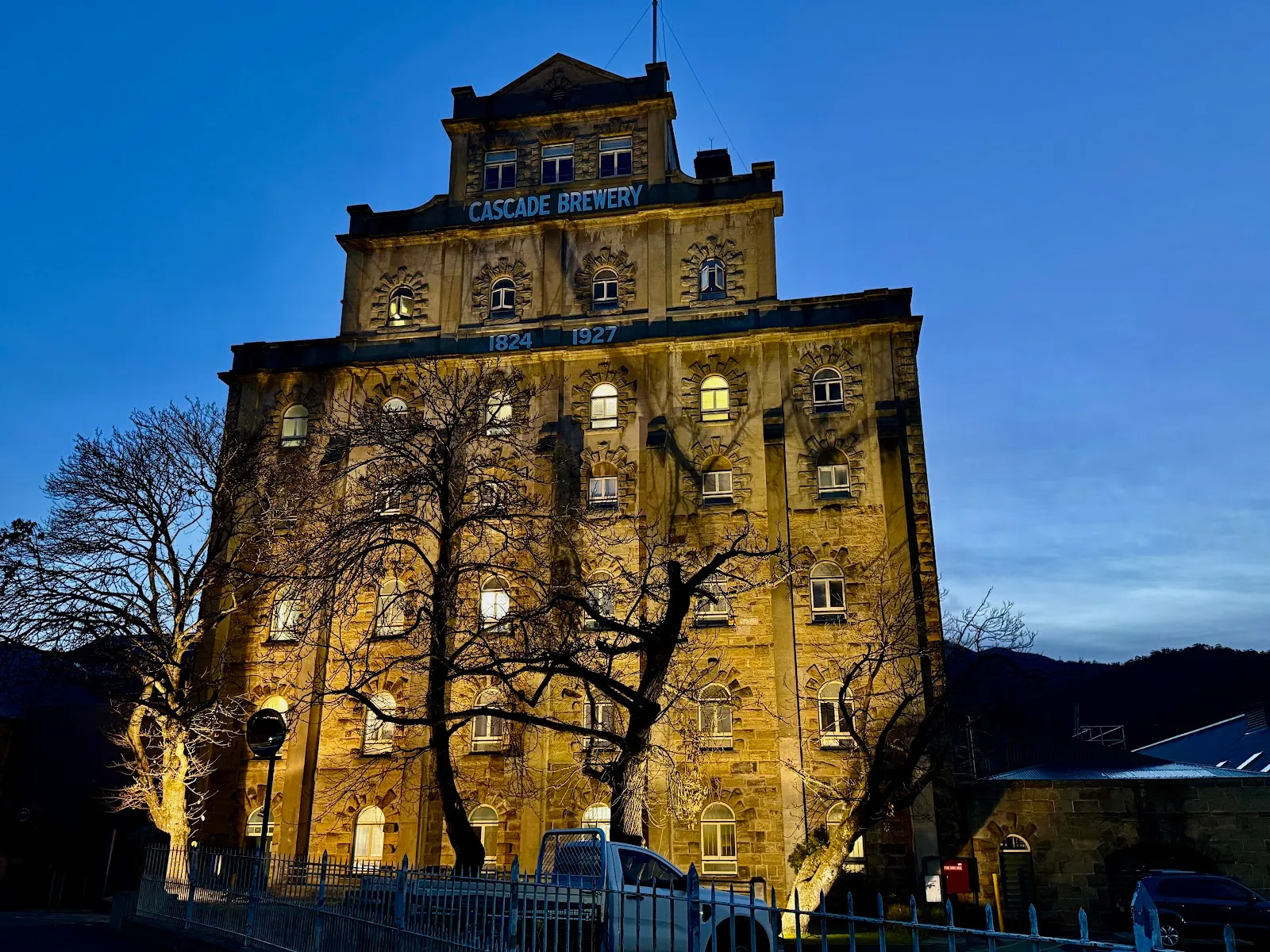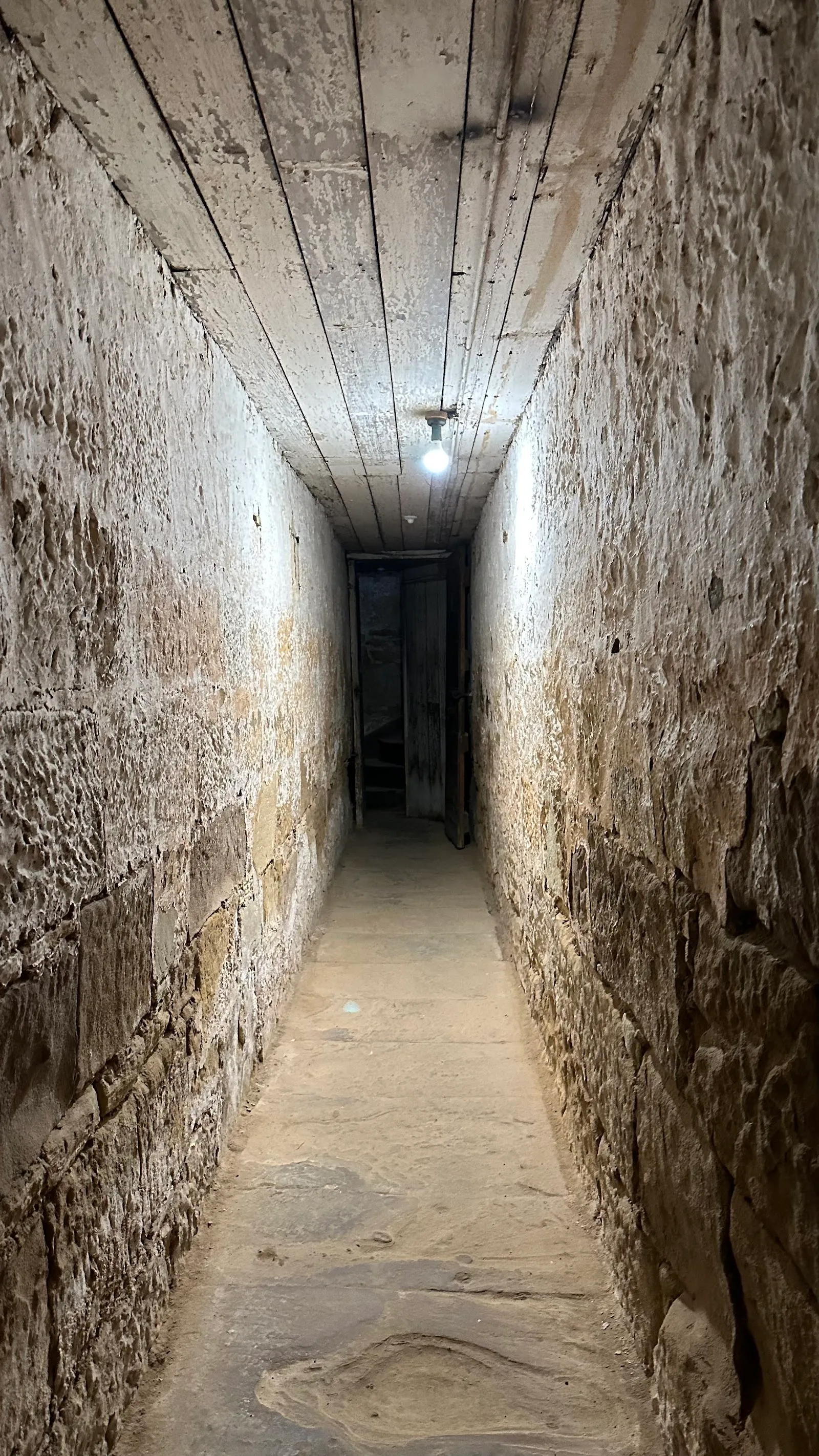
In Hobart’s CBD, the Hobart Convict Penitentiary brings Tasmania’s convict history into the rooms where it unfolded. The Georgian prison building, designed by local architect John Lee Archer, opened in 1821 and remained a place of custody for about 140 years. A guided tour takes you through cells, courtrooms, execution areas and underground tunnels, with stories of crime, punishment and life in the colony. Visual media and interpretive displays add context, and a convict-history database can help you investigate family connections.
A prison at the centre of Hobart
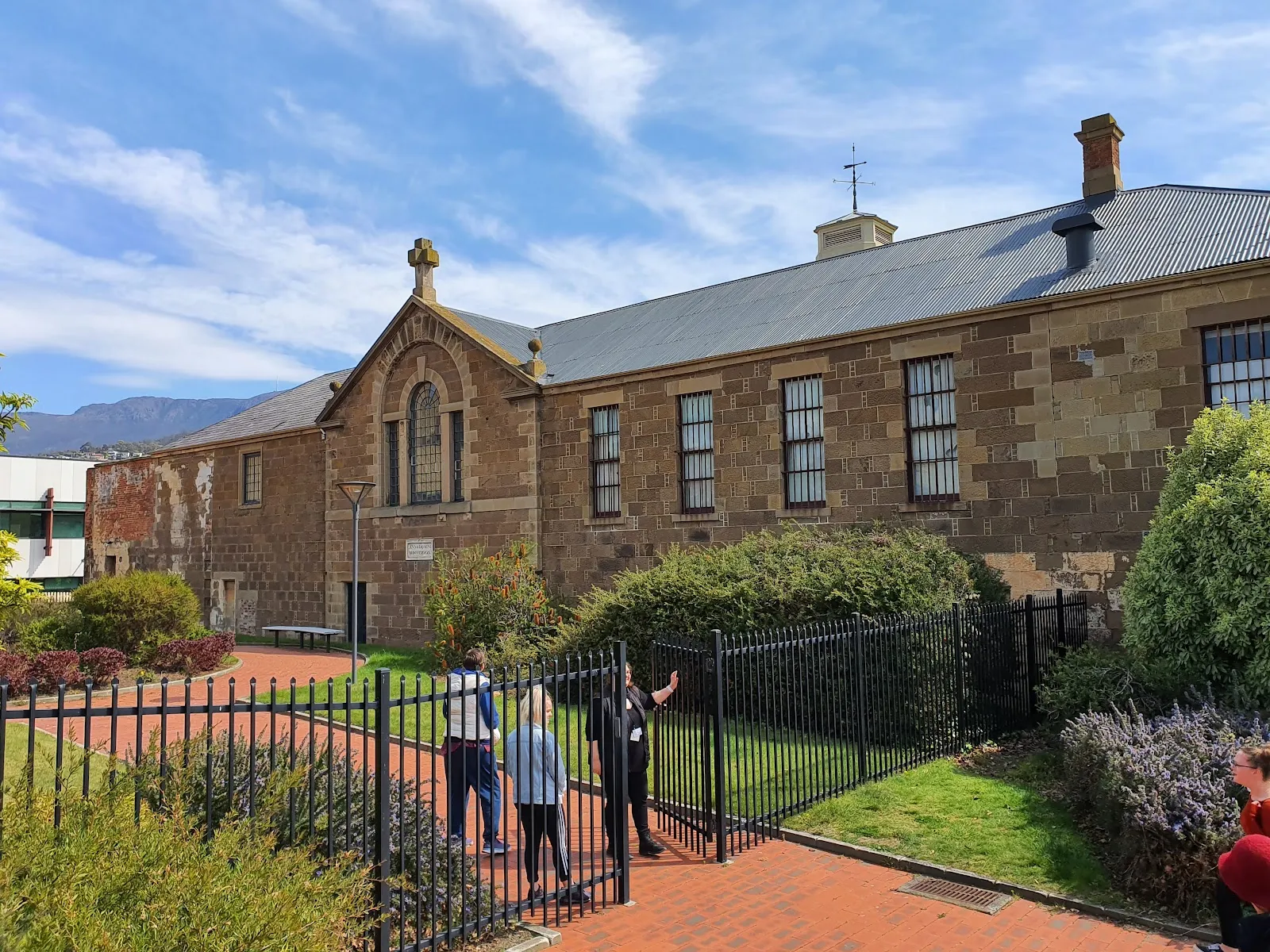
The penitentiary stands at the corner of Campbell and Brisbane streets, in Hobart’s CBD. Its Georgian prison building was designed by local architect John Lee Archer and dates to 1821. The complex served as a place of custody for around 140 years, connecting the city’s streets to the system that held convicts transported to Tasmania.
The site is associated with tens of thousands of male convicts. One notorious prisoner was Thomas Jeffries, a serial killer who was executed in 1826. The buildings that remain are only part of the complex that once occupied the site, but they preserve spaces tied to imprisonment, court proceedings and execution.
What the guided tour covers
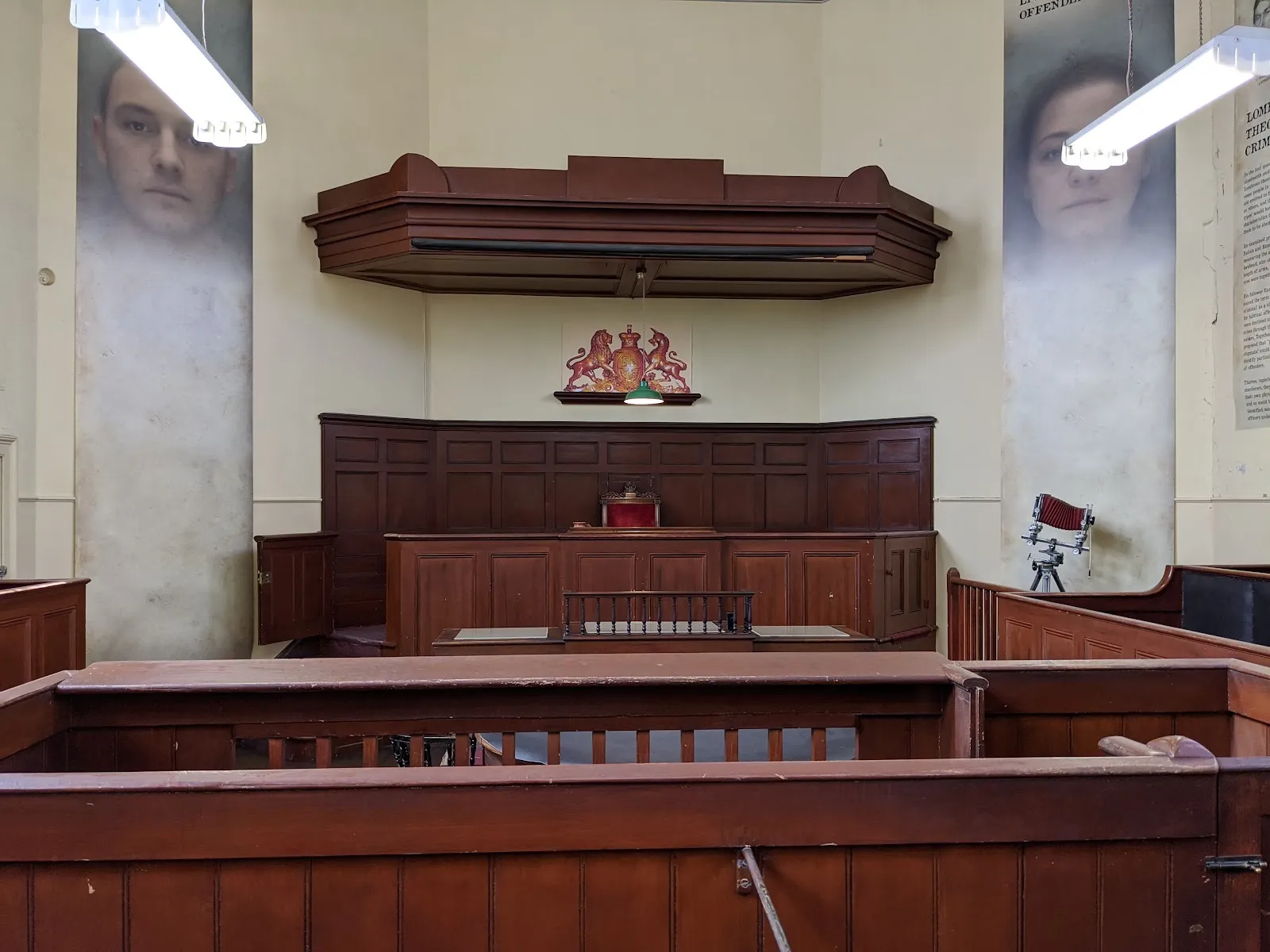
A guide leads visitors through areas including cells, courtrooms, execution yards and tunnels beneath the chapel. The route gives context to the different roles the complex played, from holding prisoners to conducting court proceedings. Stories focus on crime, punishment and the hardship of convict life.
The experience also uses visual media and interpretive displays to help explain the site. A video presentation takes place in the former church service area. For a better view of the screen, sit towards the back. Ghost tours and after-dark walks are also available, with stories connected to the prison’s past and visits to areas such as the tunnels, courtrooms and gallows.
Tracing family connections
The convict-history database lets visitors enter details about ancestors and look for connections to the people held at the penitentiary. If you plan to use it, bring any family information you have. The site can be a useful stop for people researching convict ancestry as well as for visitors wanting an introduction to Hobart’s colonial history.
Tours are guided, so book ahead rather than planning to wander through the prison independently. The penitentiary is in the city centre, making it a practical way to explore this history without travelling to Port Arthur.
Häufige Fragen
Can you explore Hobart Convict Penitentiary without a guide?
No. Access inside the prison is by guided tour, so book a tour in advance.
What can you see at the penitentiary?
Tours cover areas including cells, courtrooms, execution yards and underground tunnels beneath the chapel.
Can you research convict ancestors at the site?
Yes. A database lets you enter family details and investigate possible convict connections. Bring any information you have.
Are ghost tours available?
Yes. Ghost tours and after-dark walks are available, with stories about the prison’s past.