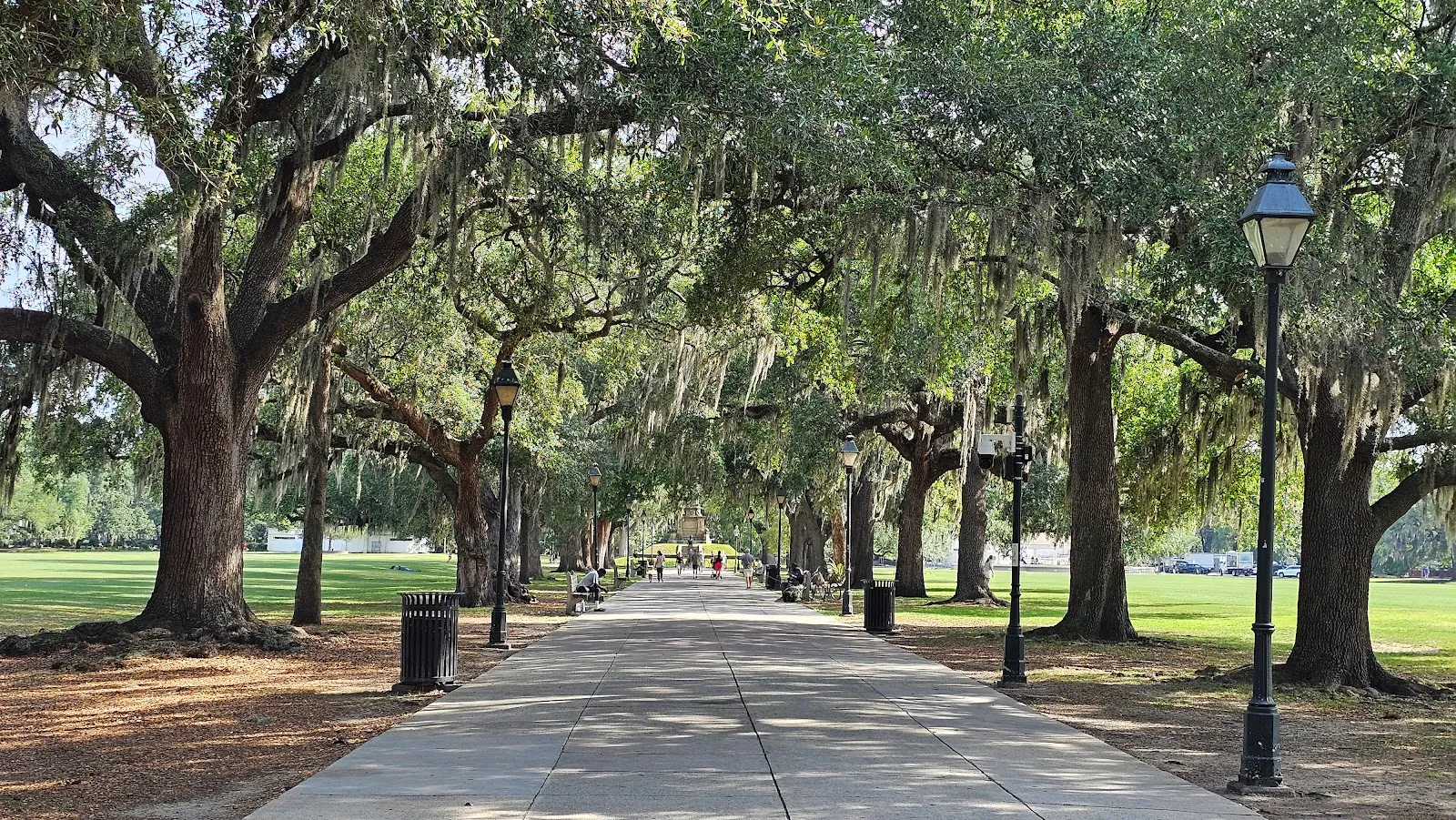
At 124 Abercorn Street beside Oglethorpe Square, the Owens-Thomas House & Slave Quarters pairs an 1819 Regency-style mansion with the quarters where enslaved people lived and worked. A tour traces both sides of the property’s history, including the stark difference between the owners’ rooms and the conditions endured by enslaved residents. Look for the house’s architectural details and early plumbing, then allow time for the basement exhibits and courtyard garden. The visit gives a fuller account of Savannah’s past than the mansion’s fine furnishings alone can tell.
A mansion and the quarters beside it
Construction began in 1816 for Richard Richardson, a merchant and slave trader, and his wife, Frances. English architect William Jay designed the house, which was completed in 1819. Its Regency style drew on buildings in Bath, England, and its design includes curved walls, Greek decorative details and stained-glass panels.
Richardson’s family did not remain in the house for long. George Welshman Owens bought it in 1830, and the property stayed with his family for generations. Margaret Gray Thomas, Owens’s granddaughter and the last family descendant to live there, gave it to the Telfair institution in 1951. The house became part of Telfair Museums.
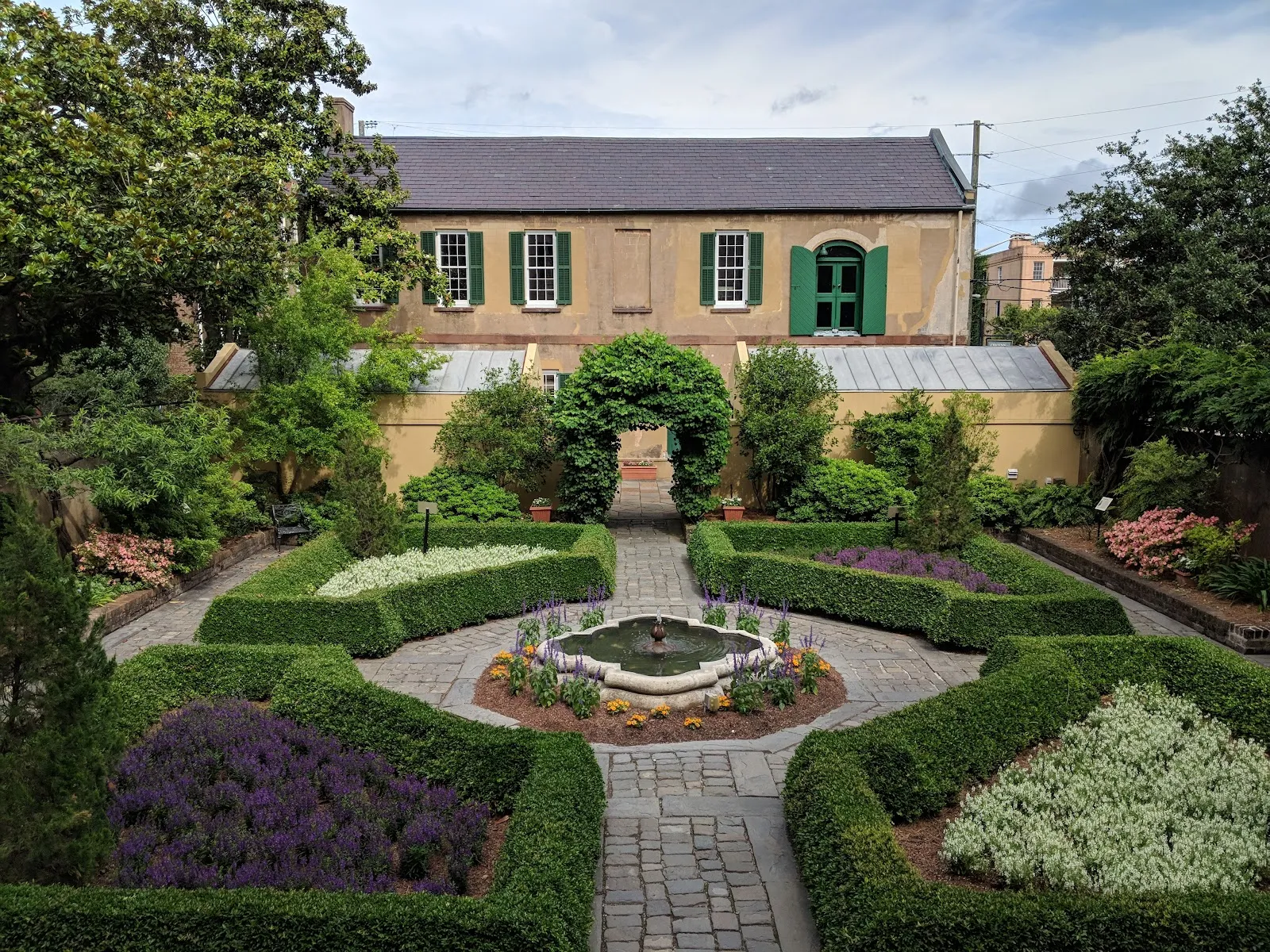
The property includes a carriage house, garden and quarters for enslaved people. The quarters were in a two-story section of the main building; accounts describe space for between nine and 15 people. During the Owens family’s residence, enslaved people lived and worked on the property, caring for the household and raising children. The tour considers their lives alongside those of the families who owned the house.
Architecture and domestic technology
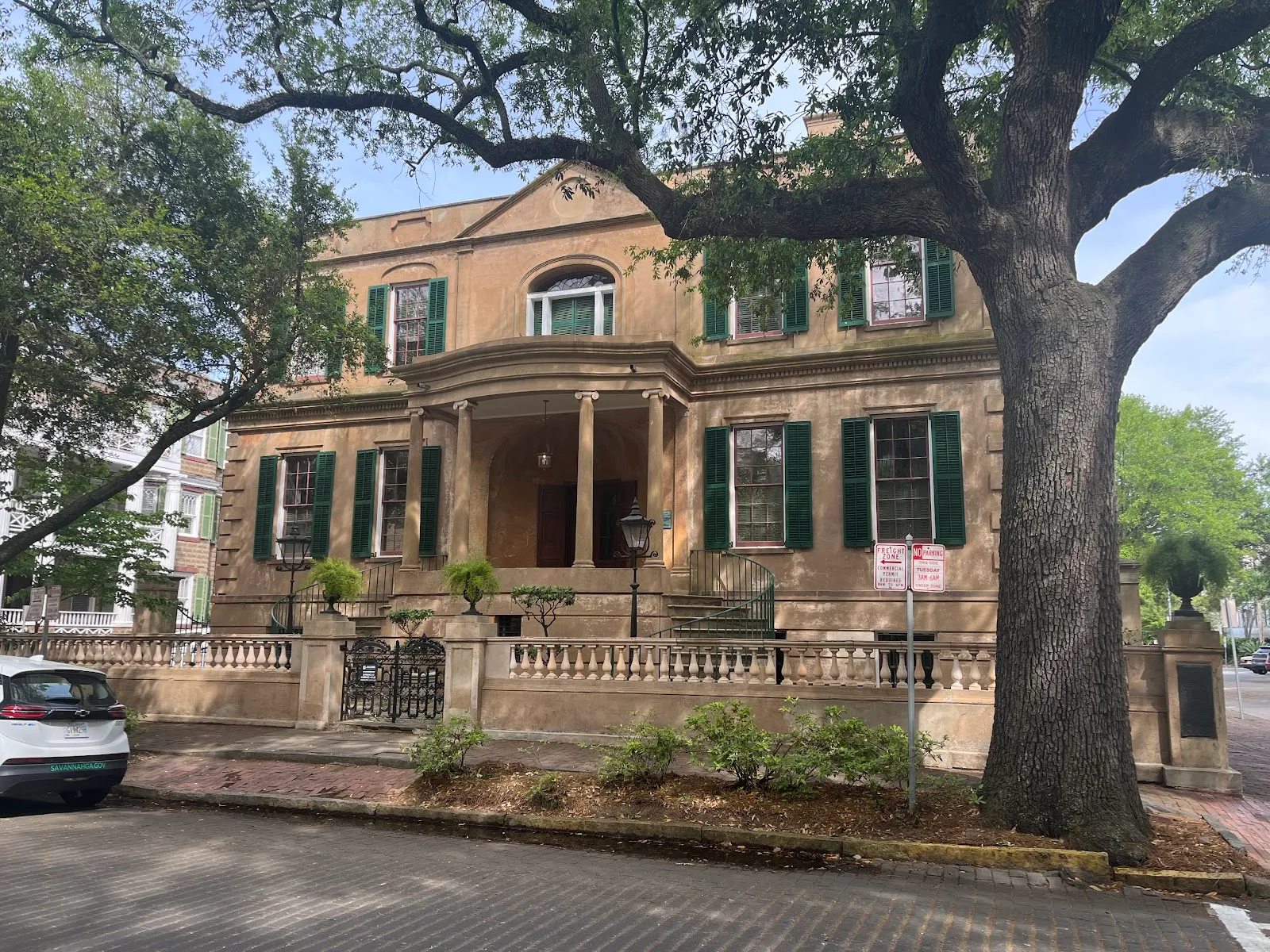
The house’s exterior has a columned portico, green shutters and a cast-iron veranda with decorative supports. Inside, visitors see furnished rooms, paintings and architectural details that help explain how the home was used. The tour also enters service areas, including the butler’s pantry and working cellar.
The house had indoor plumbing and flush toilets, unusual features when it was built. Ice storage is another example of the domestic technology explained during the visit. These systems are part of the architectural story, but the tour places them in the context of the labor that made the household run.
The property’s grounds add to the visit. The formal garden and carriage house are among the places to explore, and the basement exhibits provide further material on the house and its residents.
Telling the history of enslavement
The visit begins with the quarters before moving through the mansion. That order brings the unequal living conditions into view before the tour reaches the owners’ rooms. The interpretation draws on research in family and city records to discuss the enslaved people who lived and worked here, including details about daily life and the relationships between residents.
The quarters include hand-painted ceilings in a pale blue shade historically associated with beliefs about warding off spirits. The site also presents evidence about the treatment of enslaved people and the work they were compelled to do. Together, the rooms and exhibits place the house’s comfort and decorative finish beside the human cost of maintaining it.
The Owens-Thomas House is one of three Telfair Museums. Its admission ticket also includes entry to Telfair Academy and the Jepson Center, so check their schedules if you hope to visit all three during your stay.
Perguntas frequentes
How long does a visit to the Owens-Thomas House take?
The tour takes about an hour. Allow extra time for the basement exhibits and courtyard garden.
What can you see on the tour?
The visit includes the enslaved people’s quarters, furnished rooms in the mansion, service spaces and details of the house’s early plumbing. The grounds include a garden and carriage house.
Does admission include other museums?
The same ticket includes access to Telfair Academy and the Jepson Center.
Should you book tickets in advance?
Advance tickets are recommended, especially if your Savannah schedule is tight.