
At 926 E McLemore Ave in Memphis, the Stax Museum tells the story of the soul label and the artists who recorded there. Its exhibits connect the music to gospel roots and the civil rights era, with instruments, costumes, recording equipment, films and interactive displays. Look for the reassembled Mississippi Delta church, a recreation of Stax’s Studio A, the Soul Train dance floor and Isaac Hayes’s gold-trimmed Cadillac. The museum suits music fans and anyone interested in how Memphis shaped American soul.
The label behind the museum
The museum stands at the site of Stax Records in the Soulsville area of Memphis. The label began in 1957 as Satellite Records, when Jim Stewart and Estelle Axton moved recording equipment into a former movie theater on McLemore Avenue. Stax became closely associated with the Memphis soul sound, recording artists including Otis Redding, Isaac Hayes, Booker T. & the MGs, the Staple Singers, and Carla Thomas.
The story reaches beyond a record label. Soul grew from gospel traditions, and its rise took place amid the racial tensions and civil rights struggles of the era. The museum follows those connections through the music and the people who made it, giving visitors a way to understand how Stax’s recordings became part of Memphis’s history.
Galleries, instruments and Studio A
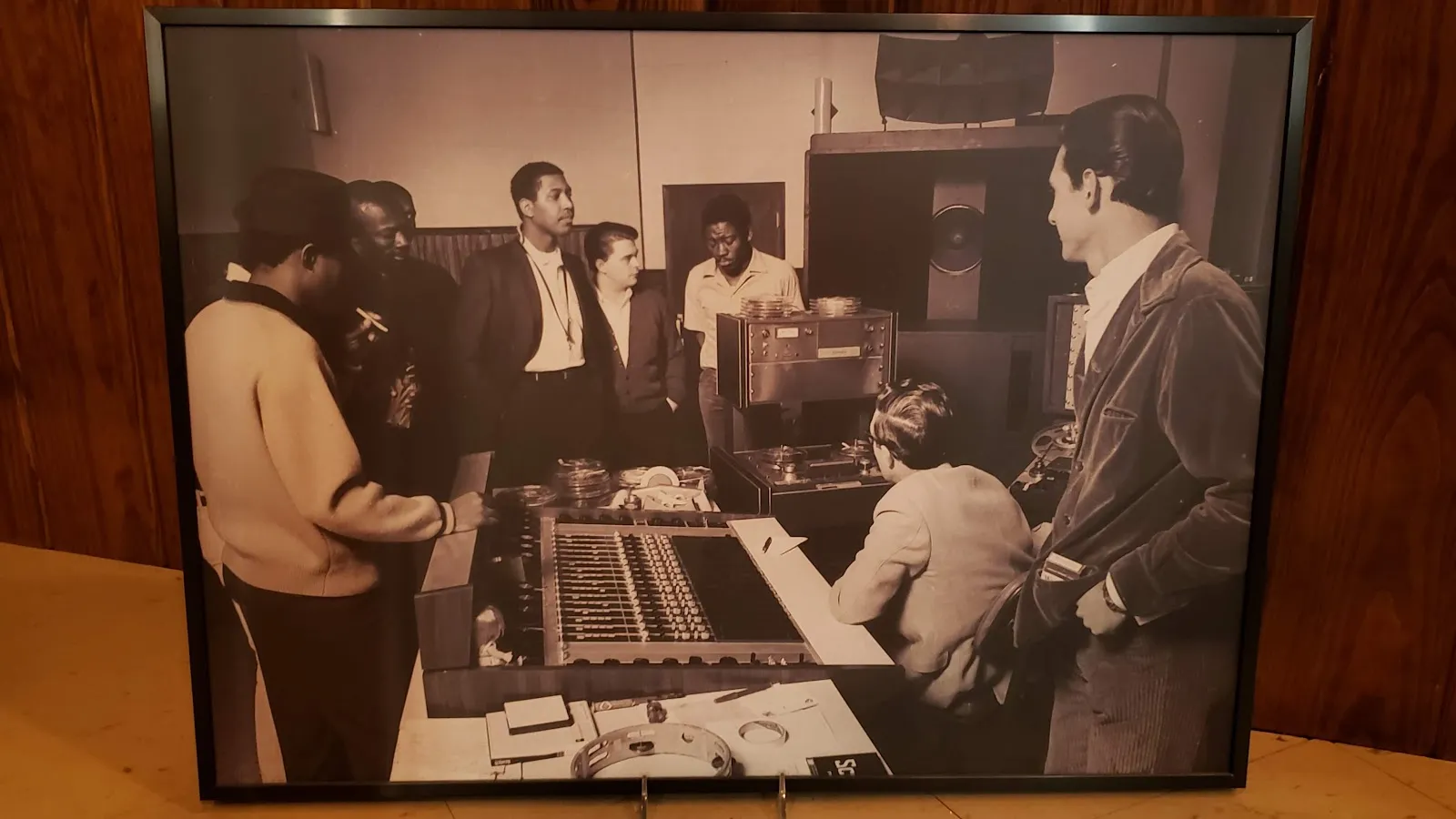
The collection brings together more than 2,000 artifacts, along with films, photographs, records and interactive displays. Costumes and instruments put the performers in view, while vintage recording equipment points back to the work behind the songs. Booker T. Jones’s organ and Steve Cropper’s guitar are among the instruments associated with Stax musicians shown in the museum.
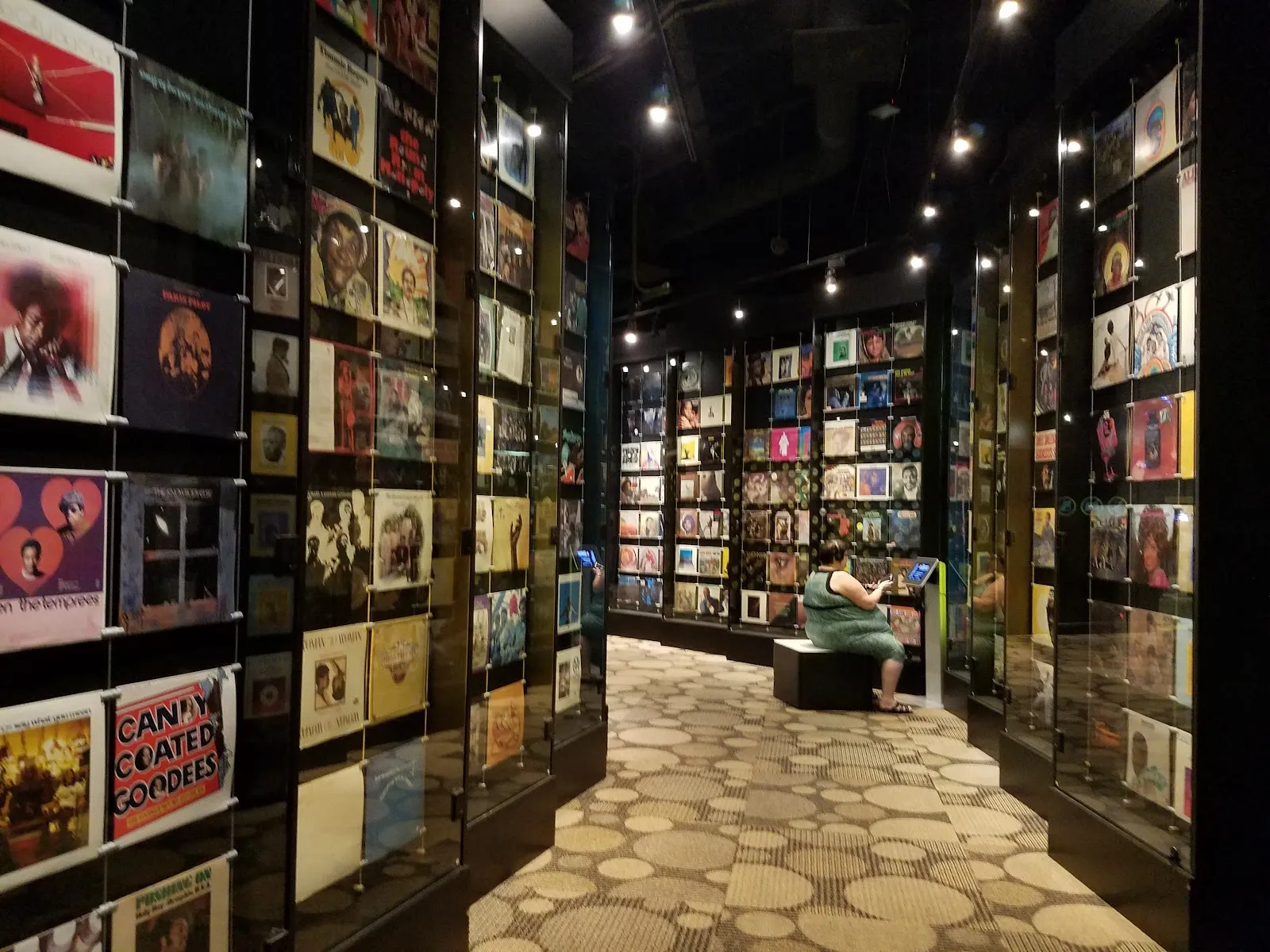
A recreation of Studio A evokes the converted theater where Stax artists recorded. The Hall of Records presents albums and singles released by Stax and its subsidiary labels. Listening and interactive exhibits add sound and movement to the visit, including a dance floor inspired by Soul Train. Together, the displays trace the label’s path from local recording sessions to music known far beyond Memphis.
The church and Isaac Hayes’s Cadillac
One of the museum’s most distinctive displays is a Mississippi Delta church from around 1906, taken apart and reassembled inside. It connects the gospel traditions that shaped soul music with the region where those traditions took root.
Isaac Hayes’s 1972 Cadillac Eldorado is another striking object in the collection. Its gold exterior trim, television and refrigerated minibar reflect the custom details associated with the musician’s car. The museum also includes personal items and stage wear from soul artists, giving the exhibits a focus on the people as well as the recordings.
Begin with the introductory film, then take time with the galleries and interactive areas. The exhibits cover music, recording history and the social context around Stax, so a quick walk-through can leave much unseen. The museum has a gift shop, and advance ticket booking is recommended.
Perguntas frequentes
How long should you spend at the Stax Museum?
Allow about two to three hours to explore the exhibits and read the displays.
What can you see at the Stax Museum?
Exhibits include Stax recordings and memorabilia, instruments, a reassembled Mississippi Delta church, a Studio A recreation, the Soul Train dance floor and Isaac Hayes’s Cadillac.
Is there parking at the Stax Museum?
Free parking is available.
Is the Stax Museum open on Mondays?
No. It is closed on Mondays.


