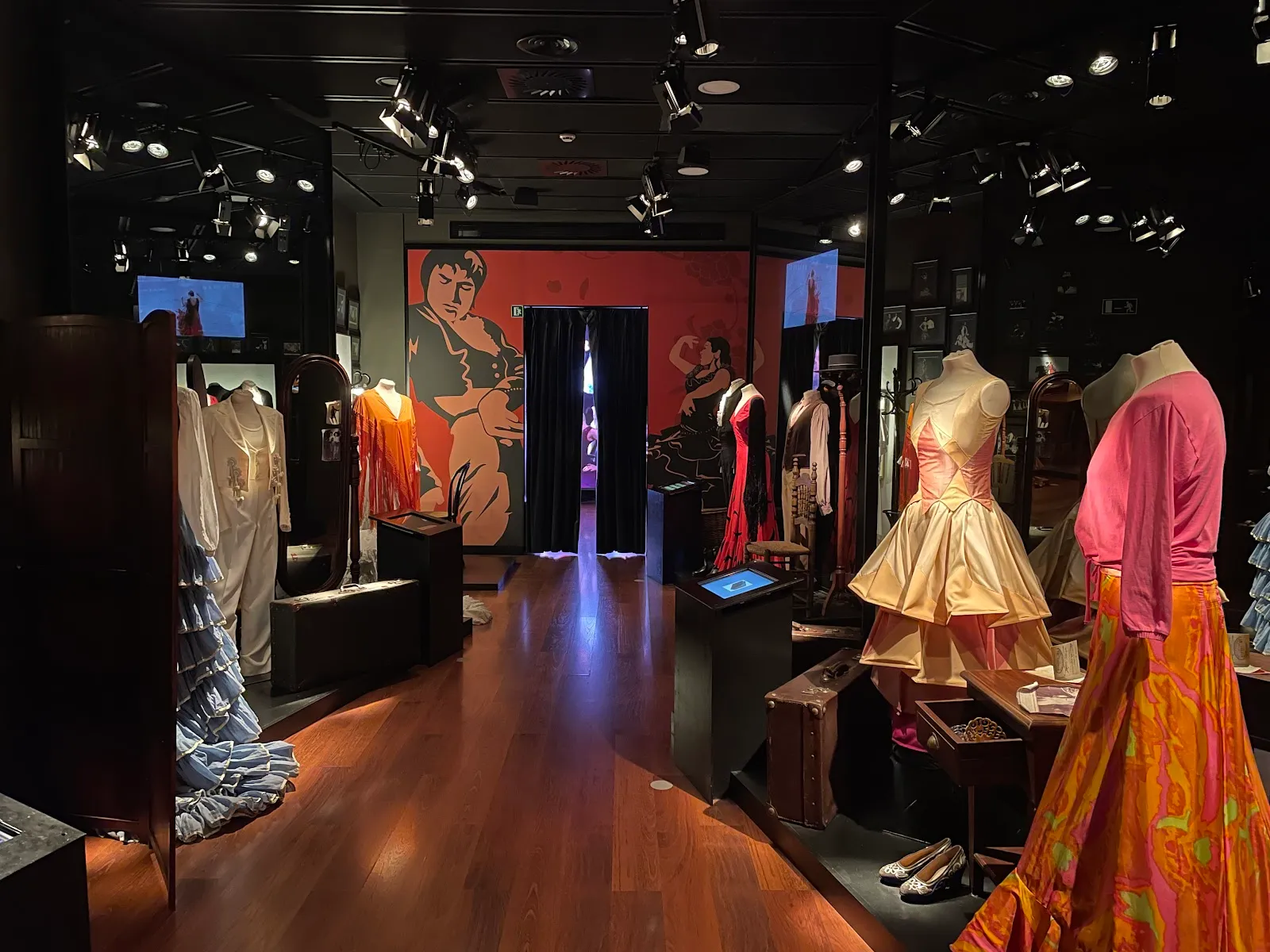
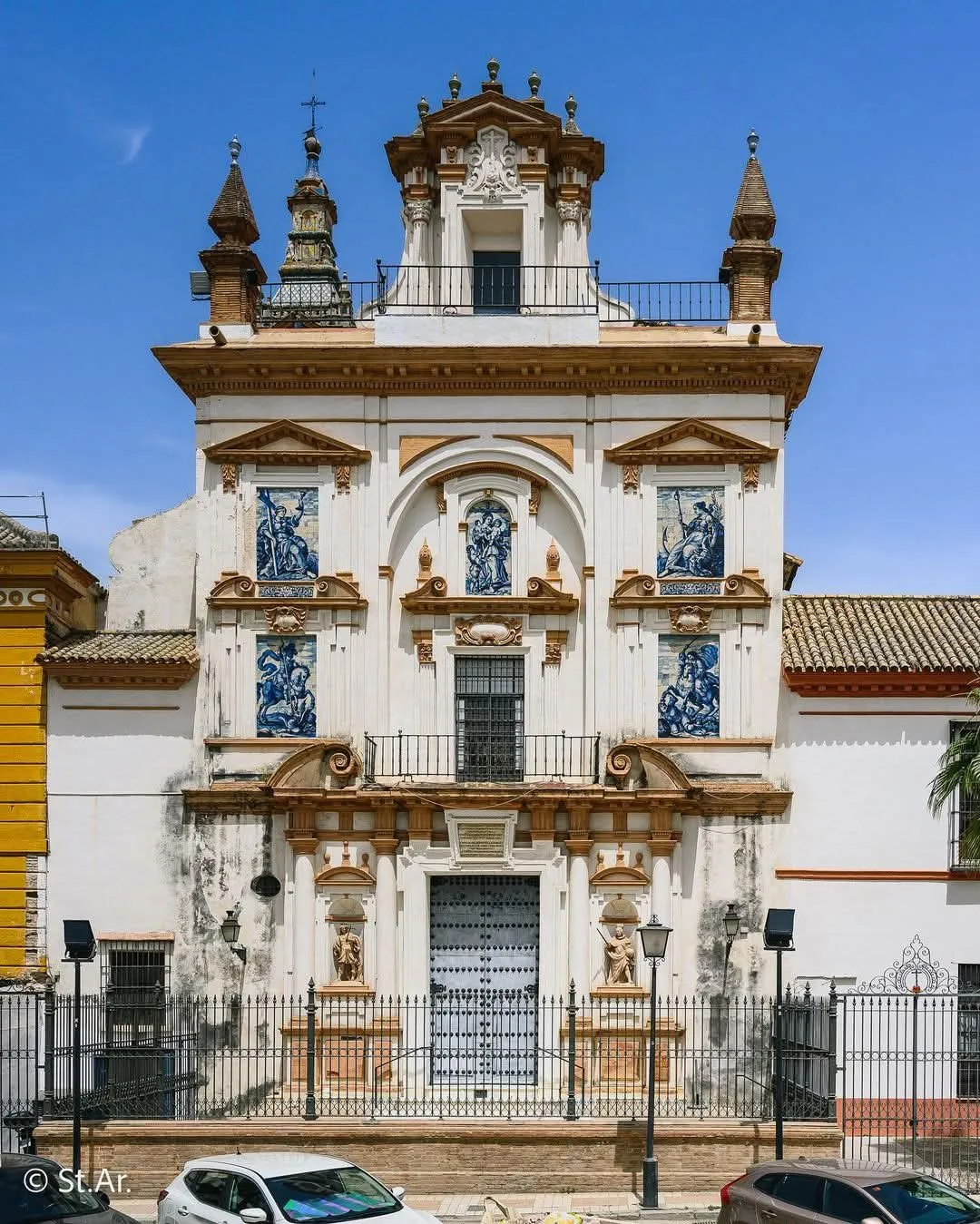
Parque de María Luisa is Seville’s main central green space, beside Plaza de España and stretching towards the Guadalquivir River. Once part of the gardens of the San Telmo Palace, it became a public park and was reshaped for the 1929 Ibero-American Exposition. Follow its shaded avenues past fountains, ponds, pavilions and tiled details, then continue to the grand semicircle of Plaza de España. Spring brings flowering plants, while the tree cover gives you a place to pause during a warm afternoon.
From palace gardens to public park
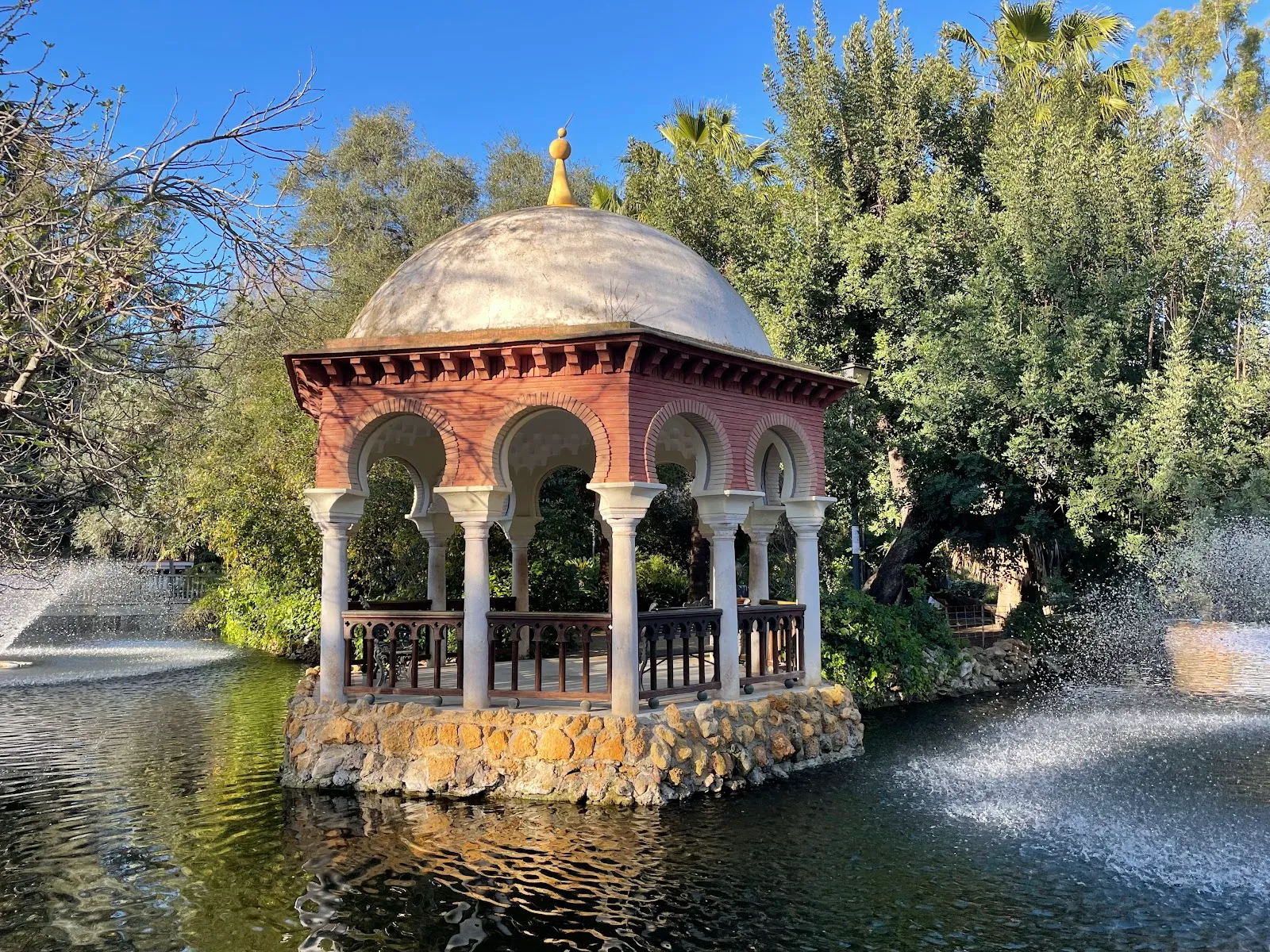
Much of Parque de María Luisa once belonged to the gardens of the San Telmo Palace. Infanta María Luisa Fernanda donated the grounds to Seville in 1893, and the park was later reshaped for the Ibero-American Exposition of 1929. French landscape gardener Jean-Claude Nicolas Forestier designed the new layout.
The park combines formal avenues and gardens with winding paths and quieter corners. Its design draws on Islamic, English and French influences. Fountains, ponds and ceramic-tiled details appear throughout, set among palms, orange trees, pines and other vegetation. The result is a public garden where architectural features sit within the greenery rather than in a separate monument precinct.
Plaza de España and the park’s landmarks
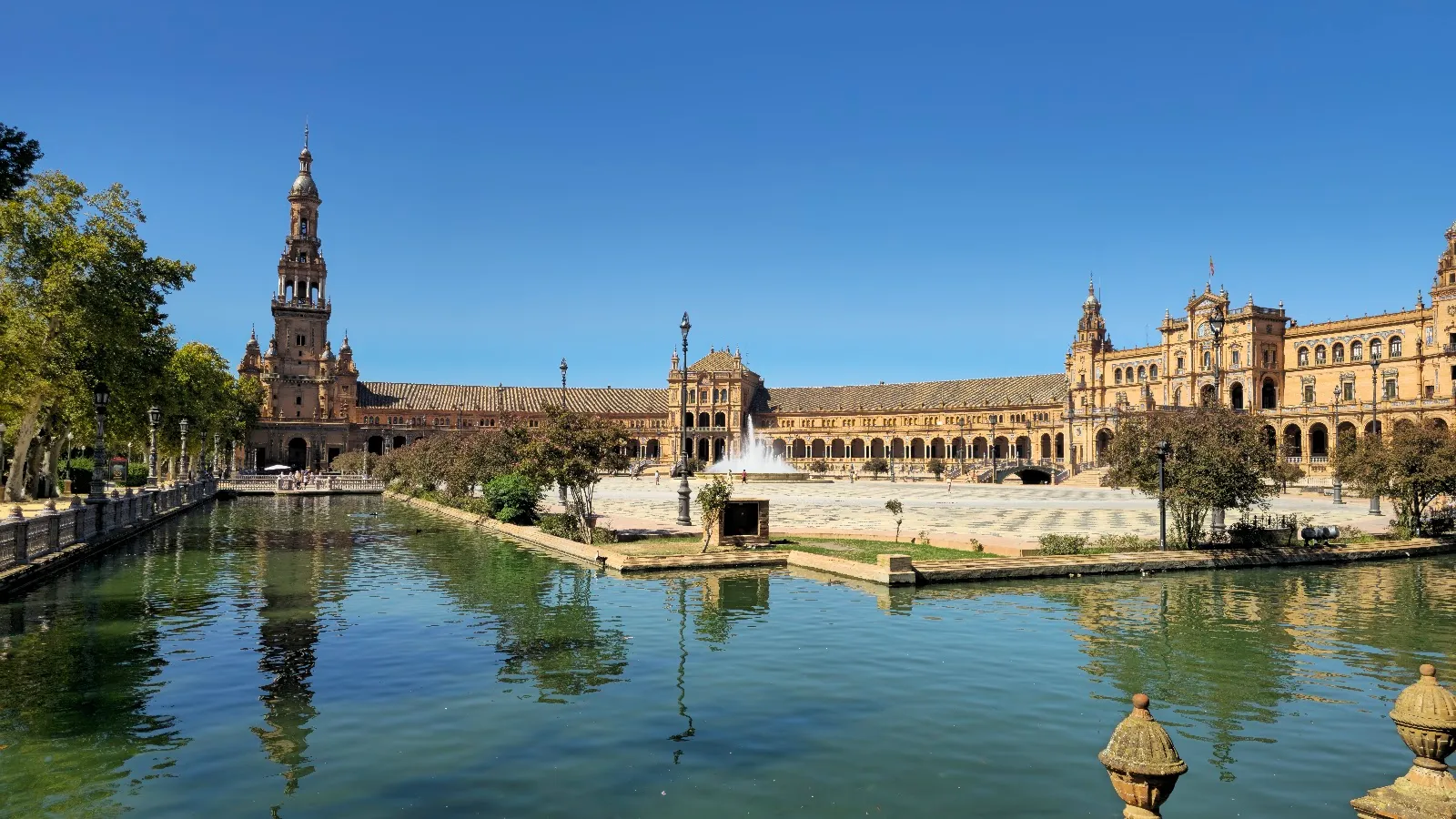
Plaza de España is the park’s best-known landmark, but it is only one part of the grounds. Built for the 1929 exposition, the semicircular complex brings together tiled façades, towers, bridges and a canal. The square’s design includes 49 benches representing Spain’s provinces. Rowboats on the canal give you another way to view the buildings and bridges.
Elsewhere, look for ornamental ponds, tiled fountains, sculptures and pavilions. The Isleta de los Pájaros is associated with ducks, swans and peacocks. Some exhibition-era buildings remain in the park; several are now used as consulates or schools. The old casino houses Teatro Lope de Vega, which stages mainly musicals.
Museums and a slower walk
At Plaza de América, the Museum of Popular Arts and Customs and the Archaeological Museum give you an indoor option during a park visit. The former occupies the Mudejar Pavilion built for the exposition, with Moorish and Renaissance design elements. The Archaeological Museum holds Roman mosaics and sculptures.
You can make the park a short pause between sights or spend longer following its paths and stopping at the fountains and ponds. It also suits a picnic beneath the trees. Plaza de España is at the northern end of the grounds, while the park extends south towards the Guadalquivir River, so allow time to explore beyond the square.
Perguntas frequentes
Is Parque de María Luisa free to enter?
Yes. The park is free to enter.
How long should you spend at Parque de María Luisa?
Allow around 2 to 3 hours to explore the park and Plaza de España. Add time if you plan to visit either museum.
What can you see in Parque de María Luisa?
The grounds include Plaza de España, fountains, ponds, pavilions and gardens. The Museum of Popular Arts and Customs and the Archaeological Museum are at Plaza de América.
When is a good time to visit?
Spring brings flowering plants, and golden hour is a good time to see Plaza de España in softer light.