
The Museum of the Orient in Lisbon’s Alcântara port area explores the connections between Portugal and Asia through art and objects from countries including Japan, China, India and Timor. Its collections range from Chinese porcelain and Japanese screens to Indo-Portuguese furniture, textiles and religious objects. Look out for displays on Japanese festivals and customs, alongside exhibitions about Portugal’s presence in Asia. The former cod-industry headquarters also has a fifth-floor restaurant with river views, so you can pair the galleries with a meal.
Portugal and Asia in the collections
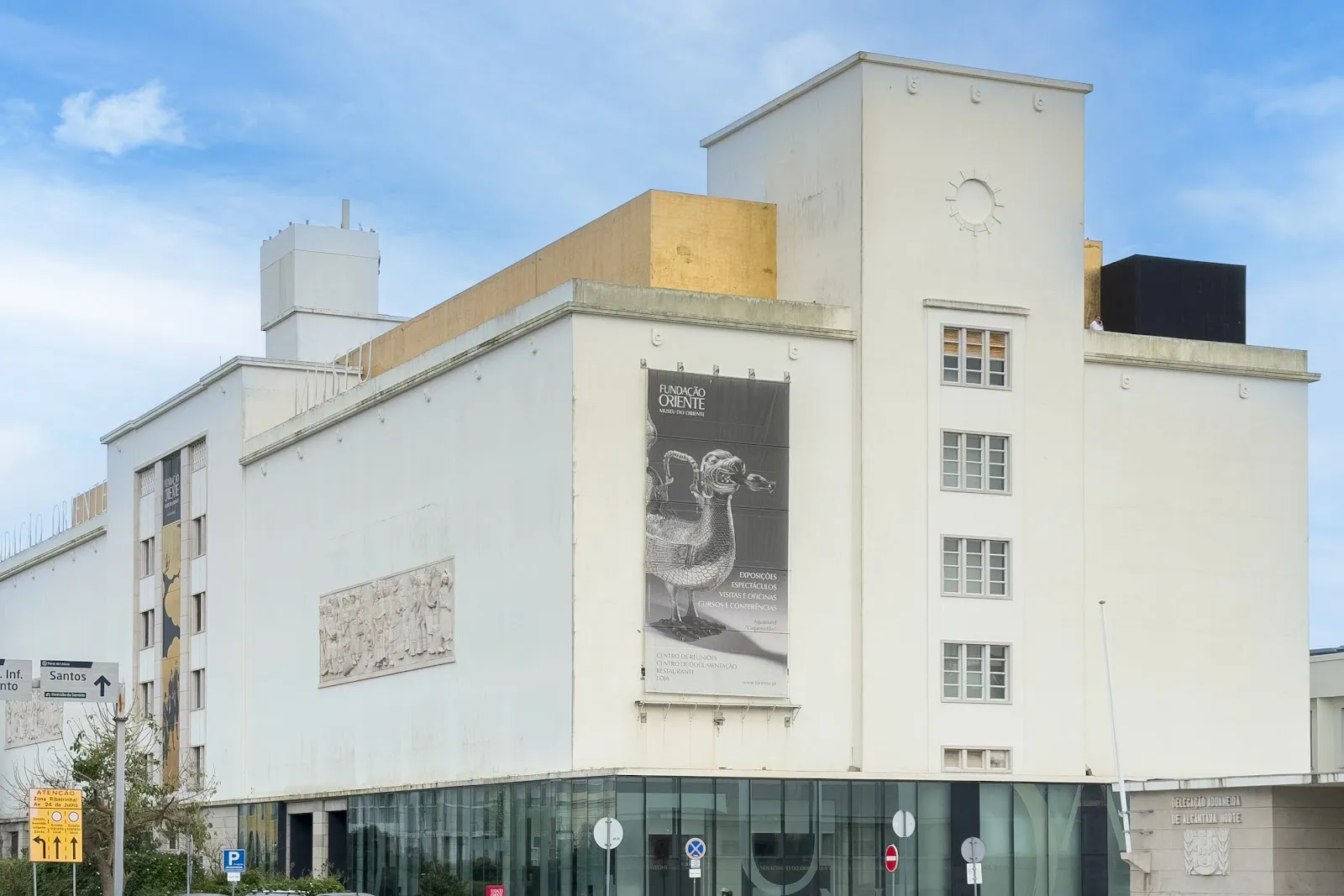
The Museum of the Orient examines the historical connections between Portugal and Asian countries through art and objects. The collection includes material from India, China, Japan, Korea, Sri Lanka, Macau and Timor, among other places. Displays bring together paintings, sculpture, ceramics, textiles, furniture and religious objects, tracing the movement of ideas and artistic influences across regions.
Some objects make those exchanges especially tangible: Indo-Portuguese furniture, Chinese porcelain and Japanese folding screens sit within a wider story of contact shaped by maritime travel and trade. The museum also addresses Portugal’s presence in Asia, giving context to the objects without reducing the collection to a single country or period.
Japanese traditions and Asian art
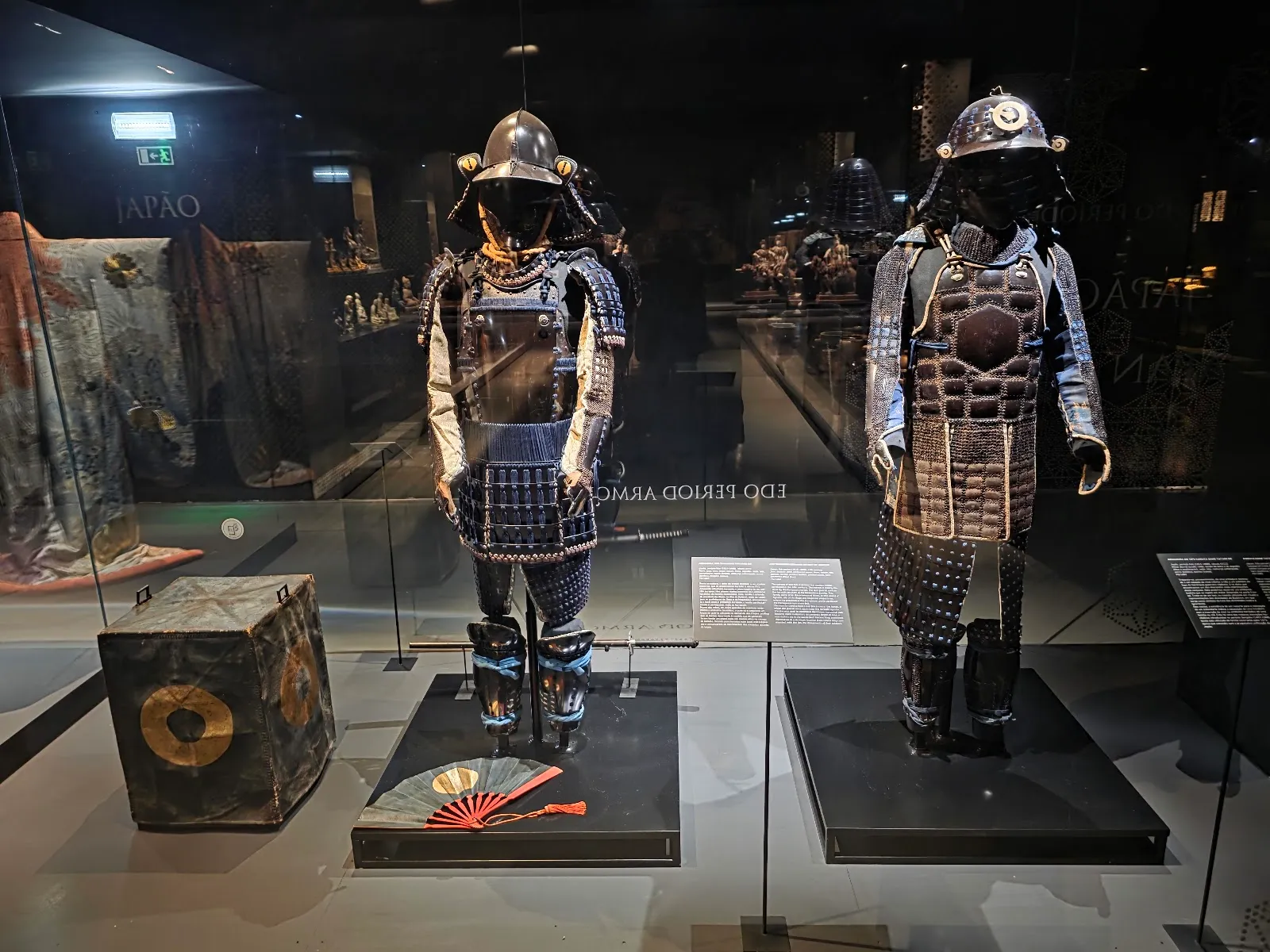
Japanese displays cover festivals and ritual practices, with objects such as masks and ceremonial garments. Themes include New Year celebrations and Hina Matsuri. Some exhibits explain the place of objects in customs that continue in Japan, giving visitors a way to consider how art and everyday practice meet.
Elsewhere, look for Chinese ceramics, paintings and sculpture, as well as works connected with India and Goa. The collection includes watercolours from Goa and carved ivory pieces from the region. Temporary exhibitions add further subjects to the museum’s programme, including photography and spiritual traditions. Their topics change, so check what is showing when you plan your visit.
A former cod warehouse
The museum occupies a large concrete building constructed in the early 1940s as the headquarters and warehouse of a Portuguese state body that regulated the cod industry. Its limited window openings were designed to reduce light exposure in the fish-storage areas. Bas-reliefs on the building depict fishermen at work, including hauling nets and handling dried cod.
The building’s earlier industrial purpose gives the museum a different setting from a purpose-built gallery. The collections now cover objects from across Asia, while the structure preserves details of its former role on Lisbon’s waterfront.
Planning your visit
Give yourself at least an hour for a short visit, or longer if you want time across the galleries and temporary exhibitions. Audiovisual material is available in English and Portuguese. An elevator serves the exhibition floors, and the museum has accessible facilities.
The Alcântara location is in the port area. Reaching the entrance can be confusing if your route involves crossing the railway line, so check the way there in advance. The museum has a restaurant on the fifth floor, where you can eat with a view over the river. Friday is the late-opening day; check the official website for current admission details and exhibition information.
Perguntas frequentes
How long should I spend at the Museum of the Orient?
Allow at least an hour. The collections span several floors, so a longer visit gives you more time for the permanent displays and temporary exhibitions.
What can you see at the Museum of the Orient?
The museum covers Asian art and Portugal’s historical presence in Asia. Its collections include Chinese ceramics, Japanese screens, textiles, paintings, furniture and objects from Goa.
Is the Museum of the Orient accessible?
An elevator serves the exhibition floors, and the museum has accessible entrances, restrooms and parking.
Is there a restaurant at the Museum of the Orient?
Yes. A restaurant on the fifth floor has views over the river.


