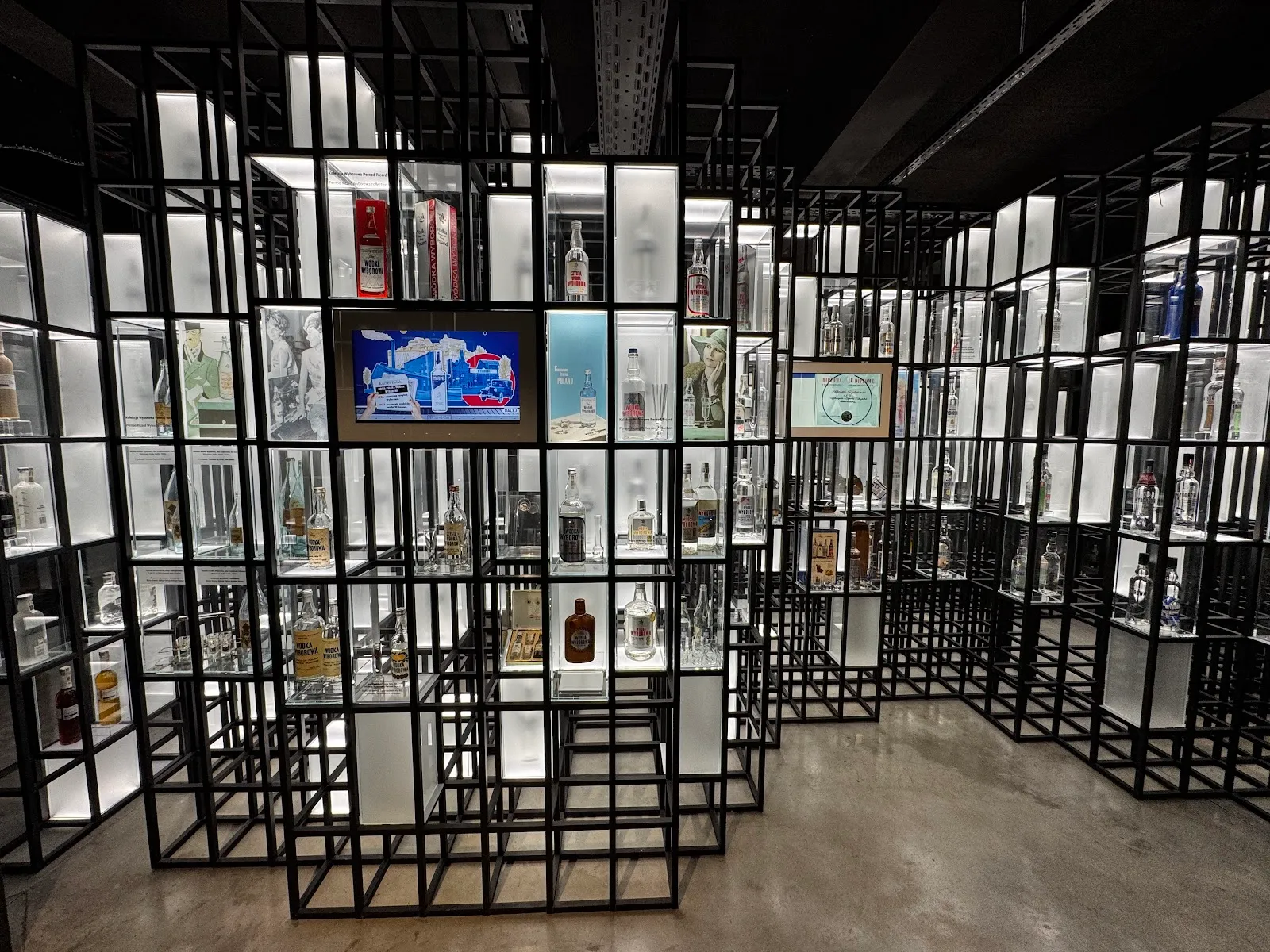
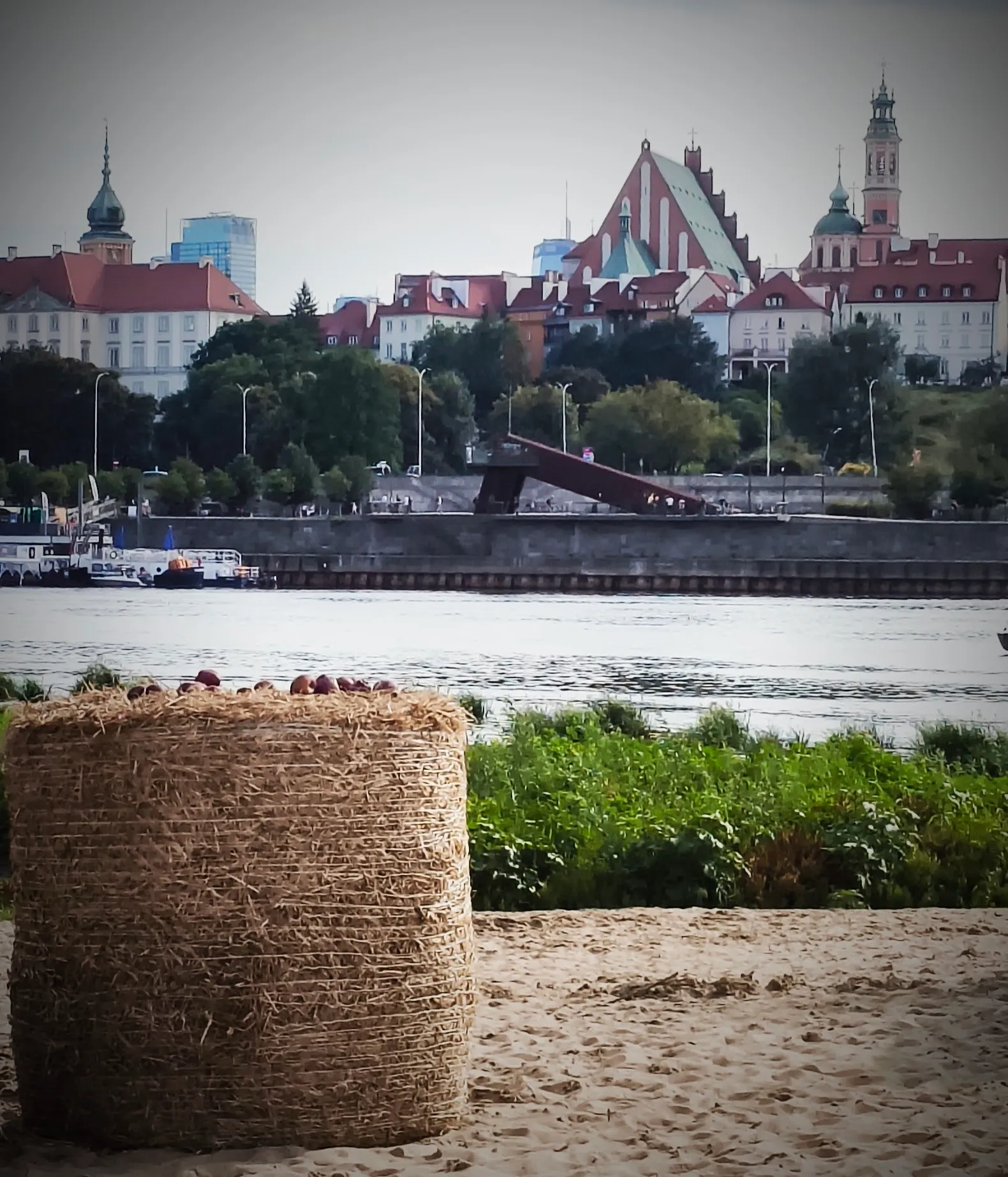
Set among historic townhouses on Warsaw’s Old Town Market Square, the Museum of Warsaw traces the city’s past through objects, images, maps and architectural models. Its exhibitions span several floors, with material on Warsaw’s development and the destruction and rebuilding of the city after the Second World War. Look for the large model of the Old Town before its destruction, then head to the upper-level observation deck for a view across the square and rooftops. The rooms connect in a winding layout, so allow time to find your way through.
A museum rebuilt with the city
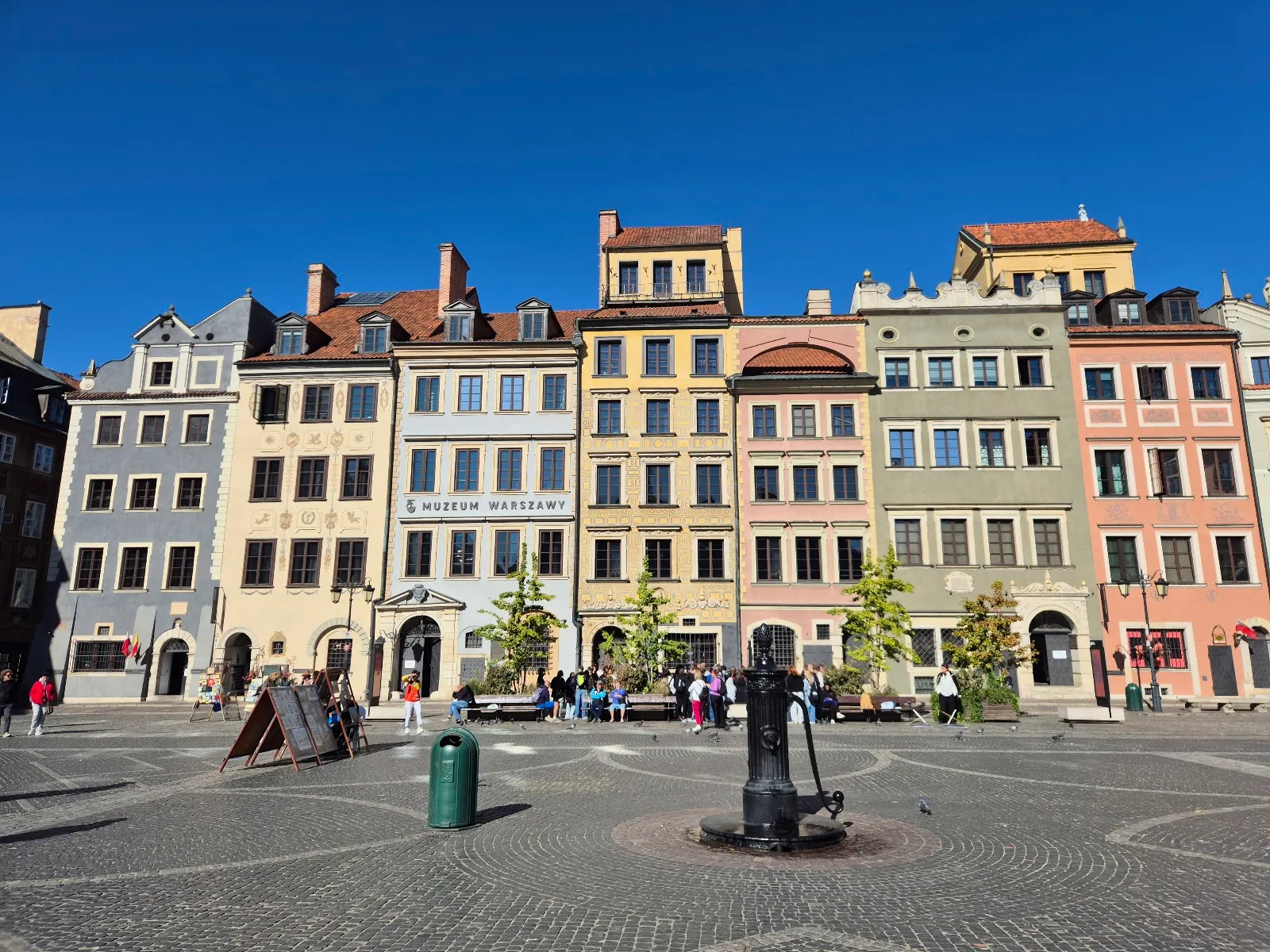
The Museum of Warsaw occupies historic townhouses on the Old Town Market Square. Its story is closely tied to the city’s upheavals: established in 1936 as the Museum of Old Warsaw, it was housed in three market-square buildings. The museum and its collection were destroyed during the Warsaw Uprising in 1944.
After the war, the institution reopened in rebuilt premises. The townhouses were reconstructed between 1948 and 1954 as Warsaw restored its historic centre. The museum later expanded across eleven Old Town tenements, with its main exhibition in the square-side buildings. The name changed to Museum of Warsaw in 2014.
Objects that tell the city’s story
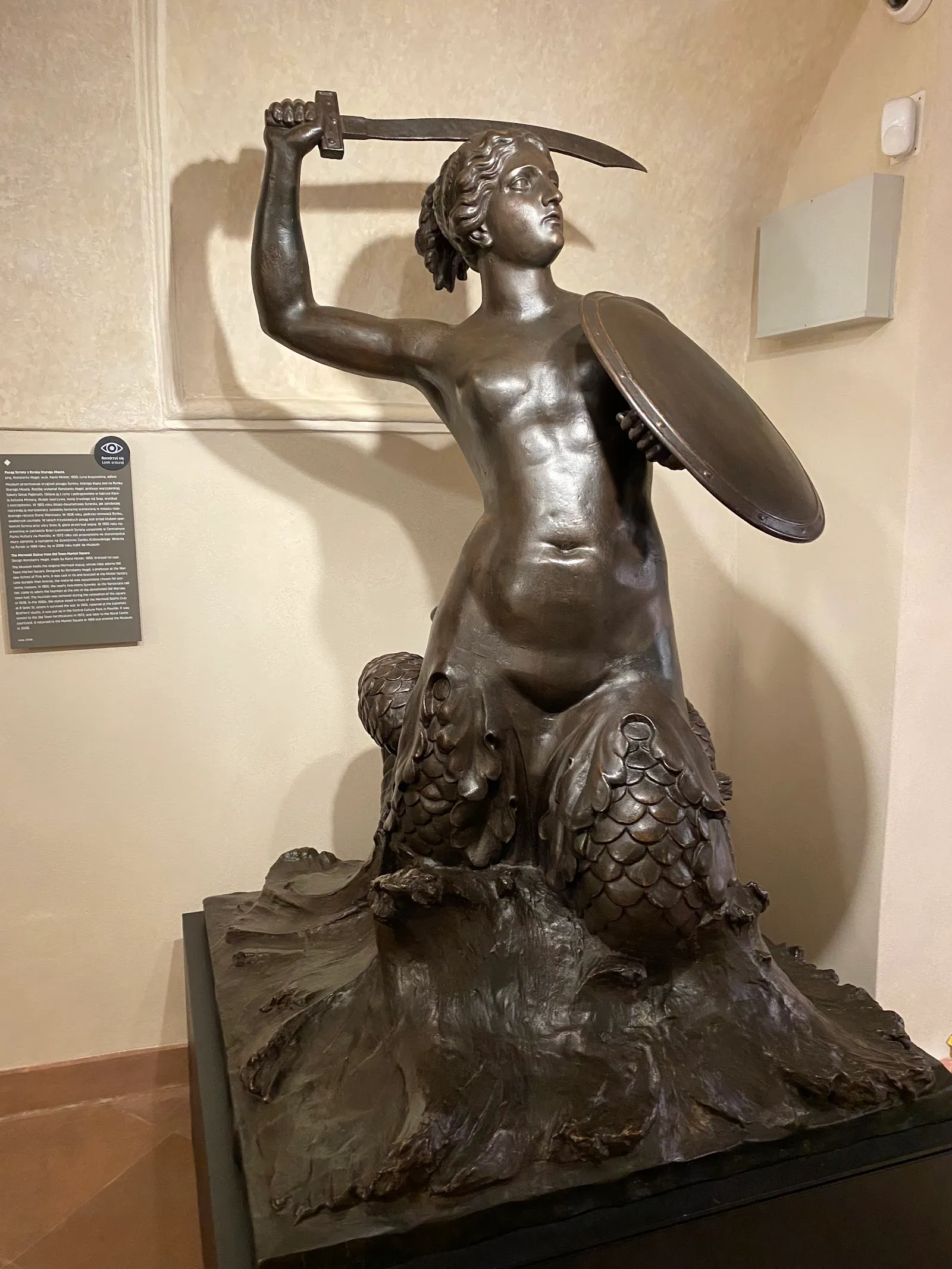
The collection uses objects from daily life as well as archaeological finds, paintings, prints, sculpture, decorative arts, coins, plans and drawings. Together, they trace the city’s past across different periods. Maps and graphic material help set the scene, while rooms bring together items connected with Warsaw’s buildings, residents and changing ways of life.
Look for the detailed architectural models. One depicts the Old Town before it was destroyed, giving a clear sense of what the postwar reconstruction sought to recover. Exhibitions also use archival film and models to explain how the city was rebuilt after the Second World War. The subjects vary from room to room, so there is no single type of object to follow throughout.
Finding your way through the rooms
The exhibitions are spread across several levels and connected rooms in the historic buildings. The route can feel winding, so a map or audio guide can help if you prefer a clear sequence. Take time with the maps, diagrams and models: they provide useful context for the objects and the city beyond the museum walls.
Some labels include braille, and tactile drawings let visitors feel the shapes of buildings and statues. These features provide another way to engage with parts of the collection. The museum also has a wheelchair-accessible entrance, elevator and restroom.
The view from above
At the top of the building, an observation deck looks over the market square and Old Town rooftops. The view gives you a different perspective on the historic buildings around the museum, after seeing models and images of how Warsaw changed. Leave room in your visit to reach the upper level rather than spending all your time in the exhibition rooms.
The museum is at Rynek Starego Miasta 28, on the Old Town Market Square, so it fits naturally into a walk through the area. The collection and the view make it a useful stop for understanding both the city’s past and the streets around you.
Perguntas frequentes
How long do you need at the Museum of Warsaw?
Allow at least two hours to see the exhibitions. Two to three hours gives you more time to explore the floors and reach the observation deck.
Is the Museum of Warsaw free on Thursdays?
The museum is listed as offering free entry on Thursdays. Check current ticket arrangements before your visit, as the available information differs on how Thursday tickets are obtained.
What can you see at the Museum of Warsaw?
The collection includes archaeological finds, art, everyday objects, maps and architectural models. Exhibits cover Warsaw’s history, including its destruction and postwar reconstruction.
Is the Museum of Warsaw accessible to wheelchair users?
The museum has a wheelchair-accessible entrance, elevator and restroom.