Behind Palazzo Pitti in Florence’s Oltrarno district, Boboli Gardens combine Renaissance landscaping, sculpture and architecture across a large hillside park. Follow the paths past fountains, cypress avenues and grottoes, including the decorated Grotta del Buontalenti, then climb toward the upper terraces for views across Florence and the Tuscan countryside. The gardens were created for the Medici family and are best explored at an unhurried pace. Hills and uphill paths make comfortable shoes useful, especially if you plan to reach the higher viewpoints.
A garden shaped by the Medici
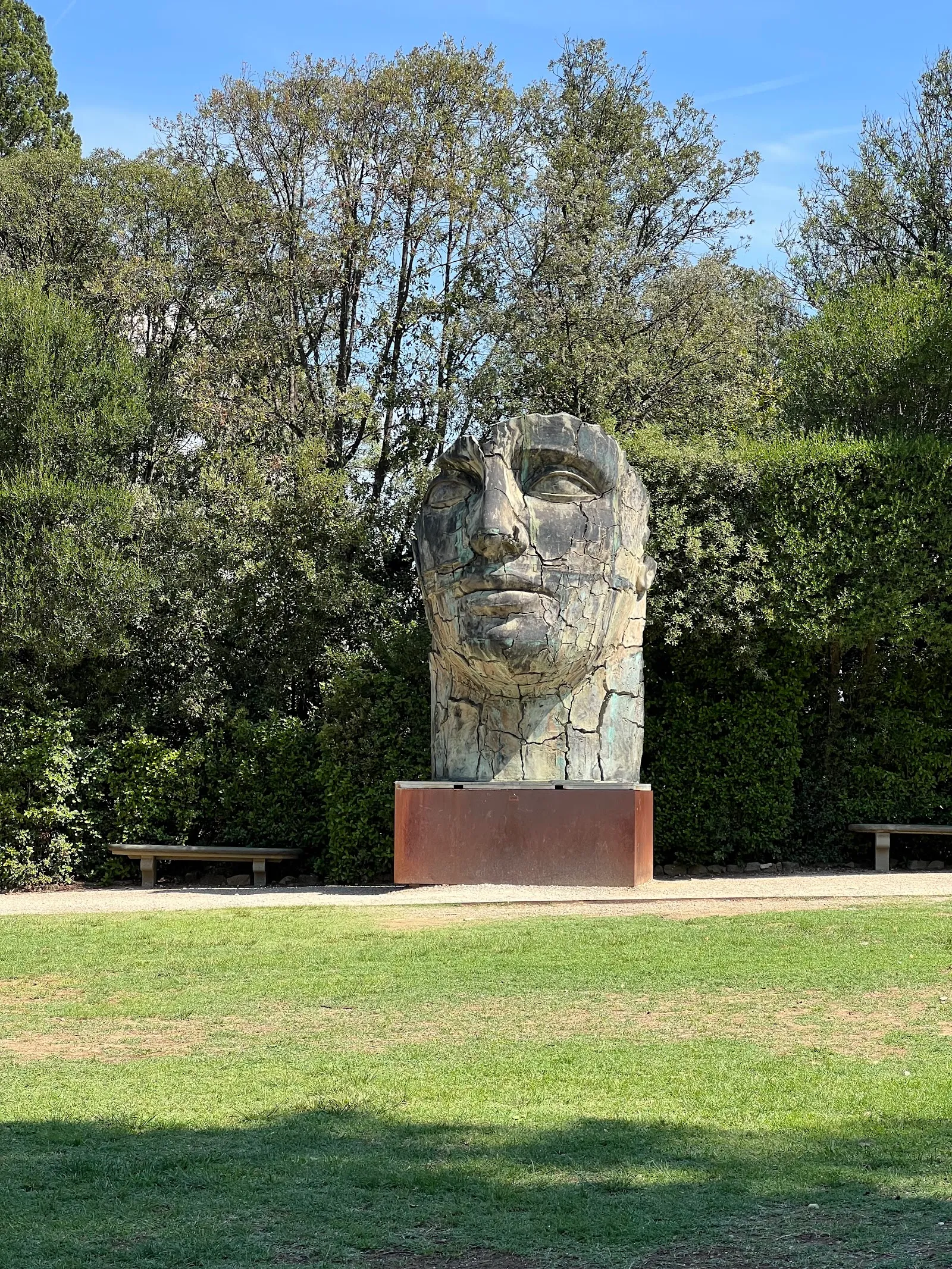
Boboli Gardens lie behind Palazzo Pitti, on the south side of the Arno in Florence’s Oltrarno district. The Medici acquired the palace in 1549 and commissioned Niccolò Pericoli, known as Tribolo, to plan the garden. His design was developed between 1550 and 1558 on the slope of Boboli Hill.
The grounds changed over time. Bartolomeo Ammannati, Bernardo Buontalenti and other artists and architects added fountains, sculptures and garden structures. Giulio and Alfonso Parigi continued the work from 1631 to 1656. The gardens opened to the public in 1766, after serving as part of the Medici residence. Their layout later influenced gardens at European courts.
Fountains, sculpture and the grotto
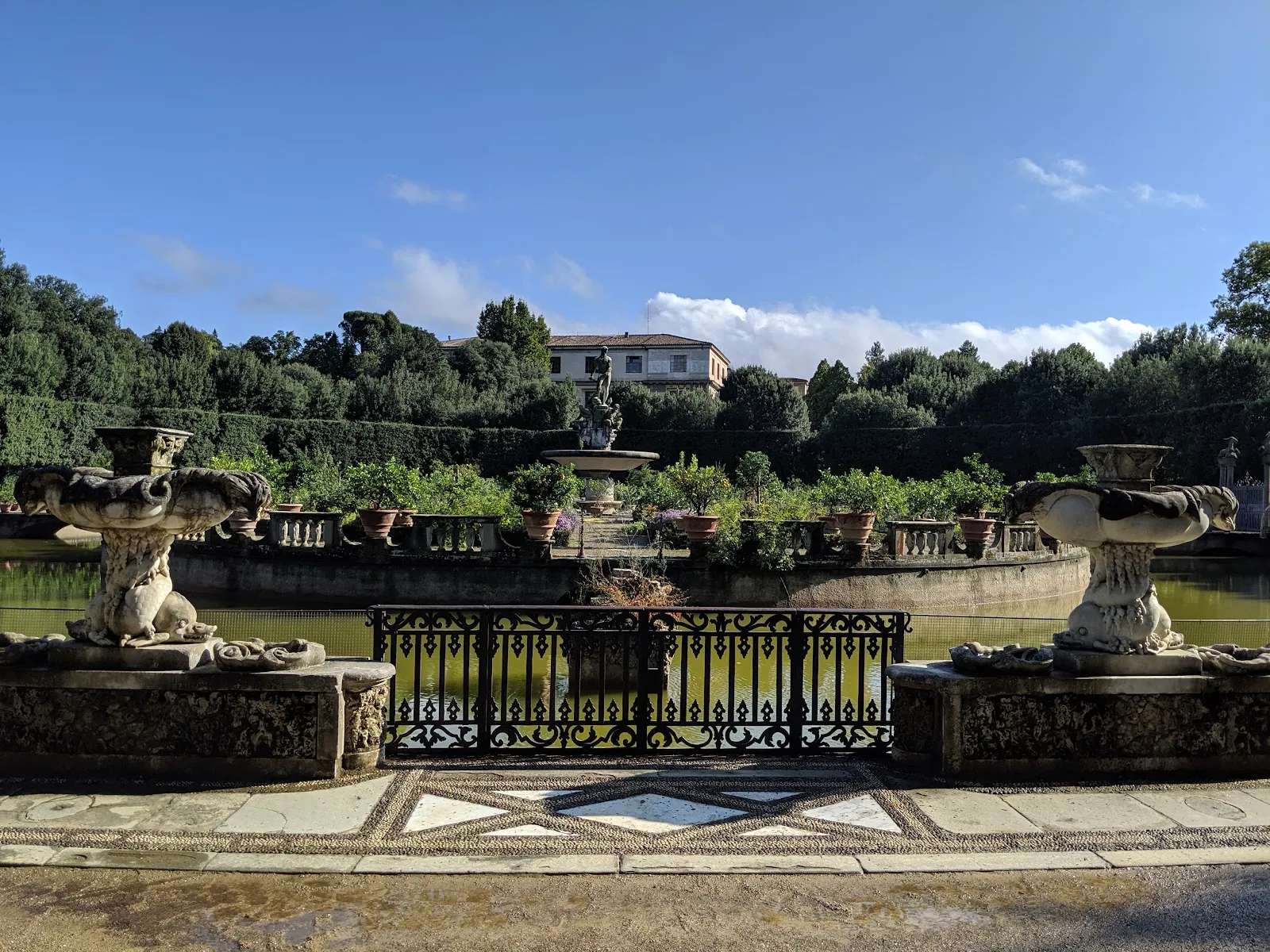
The grounds bring formal landscaping together with outdoor art. Look for the Fountain of Neptune and the Fountain of the Ocean, as well as sculptures from different periods. Paths, terraces and cypress avenues lead through distinct parts of the garden, with new views opening as the route climbs the hill.
One of the garden’s most distinctive spaces is the Grotta del Buontalenti. Bernardo Buontalenti created the artificial grotto between 1583 and 1593 for Francesco I de’ Medici. Its elaborate decoration includes shells and stones, with sculptures and frescoes among the features associated with the interior. The Kaffeehaus pavilion is another notable building to look for as you walk.
Walking the hillside paths
Boboli is large enough to reward a route without rushing. Lower paths lead among fountains and garden structures; higher up, the landscape opens toward the city and the Tuscan countryside. The gardens also include a rose garden and the Museo delle Porcellane near the upper southern edge. The central walkway past the Fountain of Neptune is one route toward the highest part of the grounds.
The rising paths are a real part of the visit, not just a short stroll through level lawns. Allow time for the climb and wear shoes suited to uneven, uphill walking. In hot weather, take water and sun protection: some areas have limited shade. Early morning or late afternoon can be more comfortable in high summer.
Planning a visit with Palazzo Pitti
The gardens sit directly behind Palazzo Pitti, which houses several museums. You can focus on the outdoor grounds or combine them with time inside the palace, but seeing both in depth can take much of a day. Check the official Uffizi Galleries website for current ticket and access details before setting out.
There are several entrances to the gardens, and the paths cover a broad area. If you want a longer visit, bring snacks and water rather than relying on finding refreshments during your walk. The hillside terrain can be demanding for anyone who finds uphill walking difficult; plan a shorter route if you do not want to climb to the upper viewpoints.
Perguntas frequentes
Where are Boboli Gardens?
They are behind Palazzo Pitti in Florence’s Oltrarno district, south of the Arno.
How long should you spend at Boboli Gardens?
Allow around two to three hours to explore the grounds and hillside paths. A visit combined with Palazzo Pitti’s museums takes longer.
What should you see in Boboli Gardens?
Look for the Grotta del Buontalenti, the Fountain of Neptune, the Fountain of the Ocean and the upper viewpoints over Florence.
Are the paths in Boboli Gardens difficult?
The grounds include uphill paths, so comfortable shoes are useful. The climb may be challenging if you have difficulty walking uphill.