In Kota Tua, Jakarta, the Wayang Museum traces Indonesia’s puppet traditions through shadow puppets, wooden figures, masks and gamelan. Displays include forms from across Indonesia as well as puppets from other countries. QR codes beside some pieces provide extra information, and an interactive area lets you try the gamelan and a digital puppeteer activity. The museum also occupies the site of a former Dutch church, with Jan Pieterszoon Coen’s tombstone in the courtyard. Check the schedule if you want to join an interactive session or catch a performance.
Puppet traditions across Indonesia
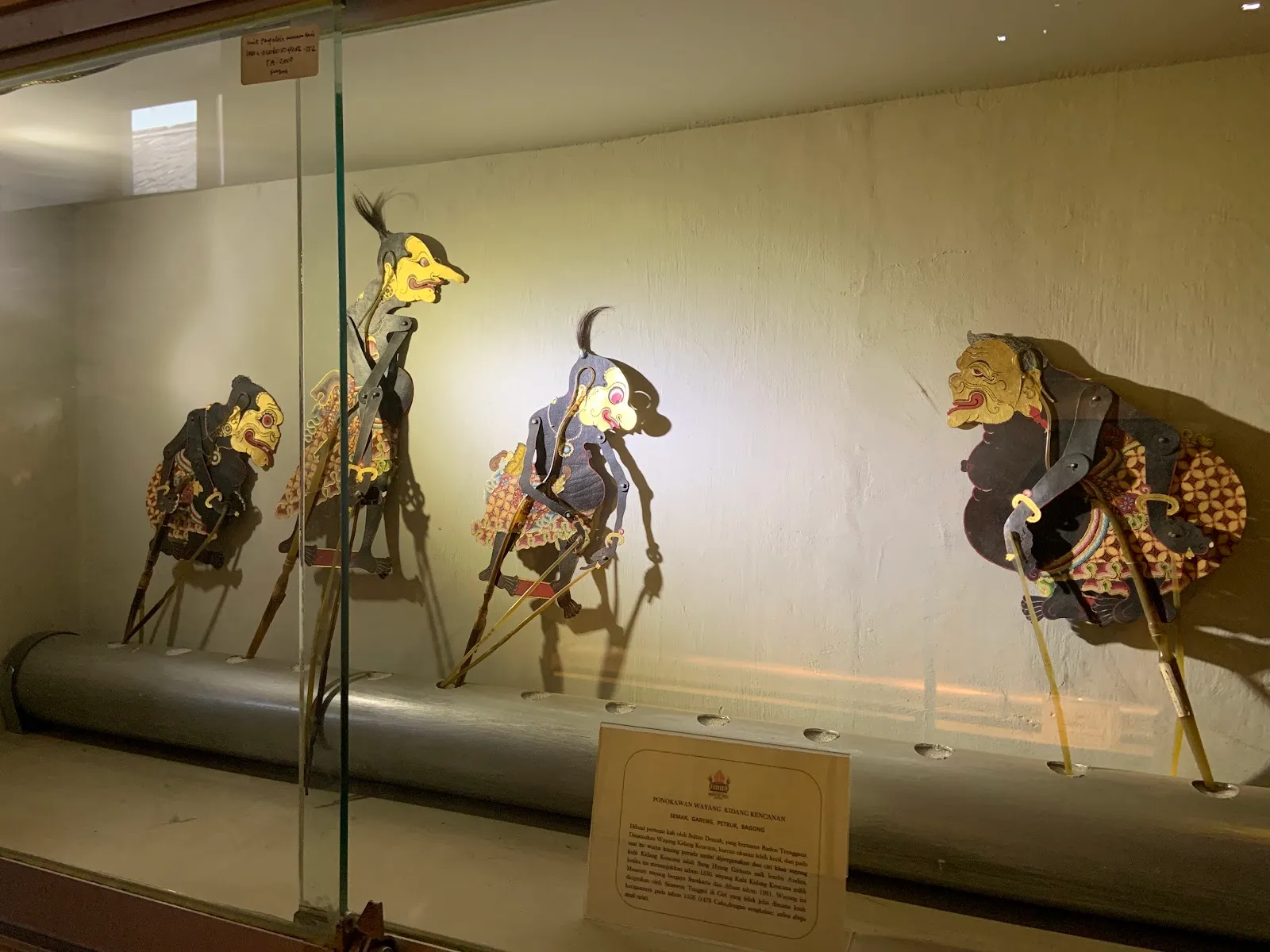
The Wayang Museum is devoted to wayang, Indonesia’s traditional puppetry. Its collection includes shadow puppets, wooden puppets and other forms from across the country. Displays also extend beyond Indonesia, with puppets from places including China, India, Vietnam, Cambodia and France.
Look closely at the figures: some are flat, crafted for shadow play, while others are wooden and three-dimensional. Masks and gamelan instruments add to the picture of puppetry as a performance art. The collection spans different styles and regions, so the exhibits are useful for seeing how varied the tradition is.
Interactive displays and extra information
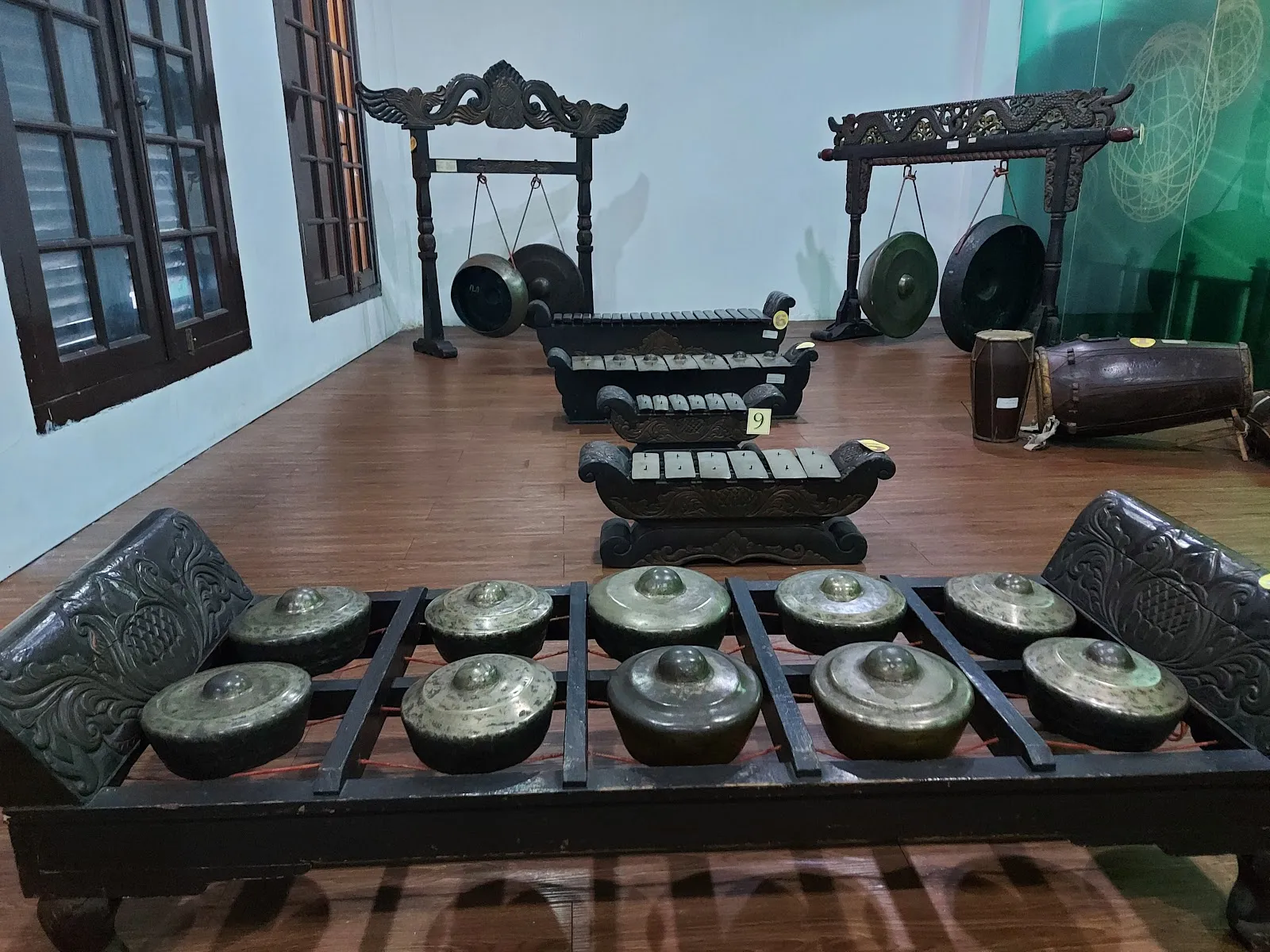
On the second floor, an interactive area introduces different types of wayang. You can try the gamelan display and use an interactive screen to experience a digital version of a puppeteer’s role. Sessions for some activities are limited, so check the museum schedule before planning around them.
QR codes beside exhibits link to additional information about individual pieces. Some displays have no accompanying details, so the amount of context varies as you move through the collection. A small library and an exhibition of puppets from other countries are also upstairs.
A former church in Kota Tua
The museum stands on the site of an old Dutch church. The church building was badly damaged by an earthquake and later demolished. Jan Pieterszoon Coen, a governor-general of the Dutch East Indies, was buried in the church’s courtyard; his tombstone is now part of the museum site.
This older history sits alongside the puppet displays, giving the building a story beyond its present role. The museum is in Kota Tua, beside Fatahillah Square, so it can be combined with a visit to the surrounding historic district.
Perguntas frequentes
What can you see at the Wayang Museum?
The collection includes Indonesian shadow and wooden puppets, masks, gamelan instruments and puppets from other countries. An interactive area has a gamelan display and a digital puppeteer activity.
How long should you spend at the Wayang Museum?
Allow about 1 to 2 hours for a visit. The museum is also described as a quick stop, so you can spend less time if you focus on selected displays.
Can you see a puppet performance at the museum?
Live performances are listed among the museum’s activities. Check the schedule before visiting, as performance times are not provided here.
Is the Wayang Museum open on Mondays?
No. The museum is closed on Mondays.