Elephanta Caves are a group of rock-cut temples on Gharapuri Island in Mumbai Harbour, reached by ferry from the Gateway of India. The main cave is dedicated to Shiva and holds the site’s best-known work, the three-faced Trimurti sculpture. Look for other carved panels and pillars that bring Hindu stories into stone, along with Buddhist caves elsewhere on the island. The ferry crossing and the climb to the caves make this a half-day outing, with sea views along the way.
A group of temples cut from rock
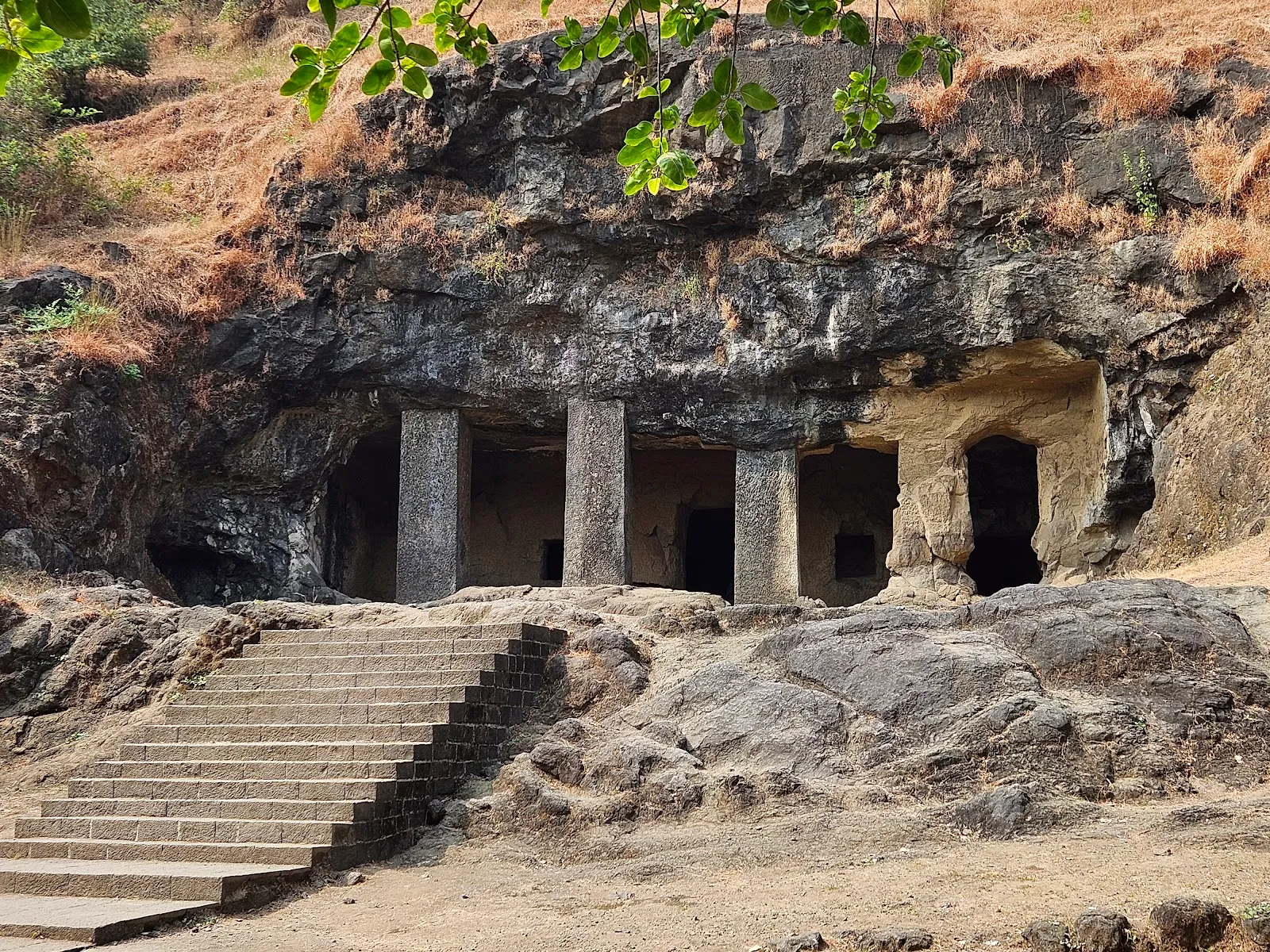
Elephanta’s caves were carved into the island’s rock, with most of the complex devoted to Shiva. The group includes five Hindu caves and two Buddhist caves. The largest and most prominent is Cave 1, whose scale, columns and sculpted panels reward a slower look around the interior.
The exact date and patronage of the caves are not settled. They are commonly placed between the 5th and 8th centuries CE, but accounts differ on which rulers commissioned them. Their long history is visible in the surviving stonework, though the complex is now a remnant of a much larger artistic undertaking.
What to look for inside
The central draw is the Trimurti, a monumental, three-faced representation of Shiva. The sculpture is associated with creation, preservation and destruction, and stands within the main cave among carved pillars and other sculptural panels. Rather than moving straight to the largest image and leaving, take time to notice how the figures and architectural details are arranged through the cave.
Other panels depict aspects of Shiva and stories from Hindu tradition, including scenes connected with his marriage to Parvati. Nataraja, the dancing form of Shiva, and Yogishvara, Shiva as lord of yoga, are also identified among the major carvings. The cave complex brings religious imagery and rock-cut architecture together; its sculptures are part of a sacred setting, so a quiet, considerate visit suits the place.
Planning the island visit
Ferries to Gharapuri Island leave from the Gateway of India. The crossing takes about an hour in many accounts, though reported journey times vary. Once on the island, continue on foot toward the caves; the uphill approach includes steps and can feel strenuous in the heat. A small local train covers part of the route, which can be useful for families with children.
The island has food stalls and souvenir sellers along the approach. Carry water, and keep snacks packed away from monkeys. Weak mobile reception can make online tasks difficult after arrival, so plan ahead and save any information you need before boarding. The caves are closed on Mondays according to the posted schedule, and advance ticket arrangements are recommended.
Perguntas frequentes
How do you get to Elephanta Caves from Mumbai?
Take a ferry from the Gateway of India to Gharapuri Island. The crossing takes about an hour according to the available visitor information.
How long does a visit to Elephanta Caves take?
Allow around 3 to 4 hours for the island visit and caves. Some itineraries take longer when ferry travel and time on the island are included.
What is the main thing to see at Elephanta Caves?
The main cave’s large, three-faced Trimurti sculpture of Shiva is the best-known work. Carved pillars and other mythological panels are also worth looking for.
Are Elephanta Caves open every day?
No. The posted schedule lists Monday as the weekly closing day.