Casa de África is a museum in Old Havana devoted to African cultures and their influence on Cuban life. Its collection includes more than 2,000 artifacts, with African instruments and a room dedicated to the orishas, Yoruba deities, upstairs. Displays trace cultural connections shaped in part by the forced arrival of Africans enslaved to work on Cuba’s sugar plantations. Most exhibit information is in Spanish, so a translation app or guide can help you follow the details. Set aside about two hours to explore the collection.
African cultures and Cuban life
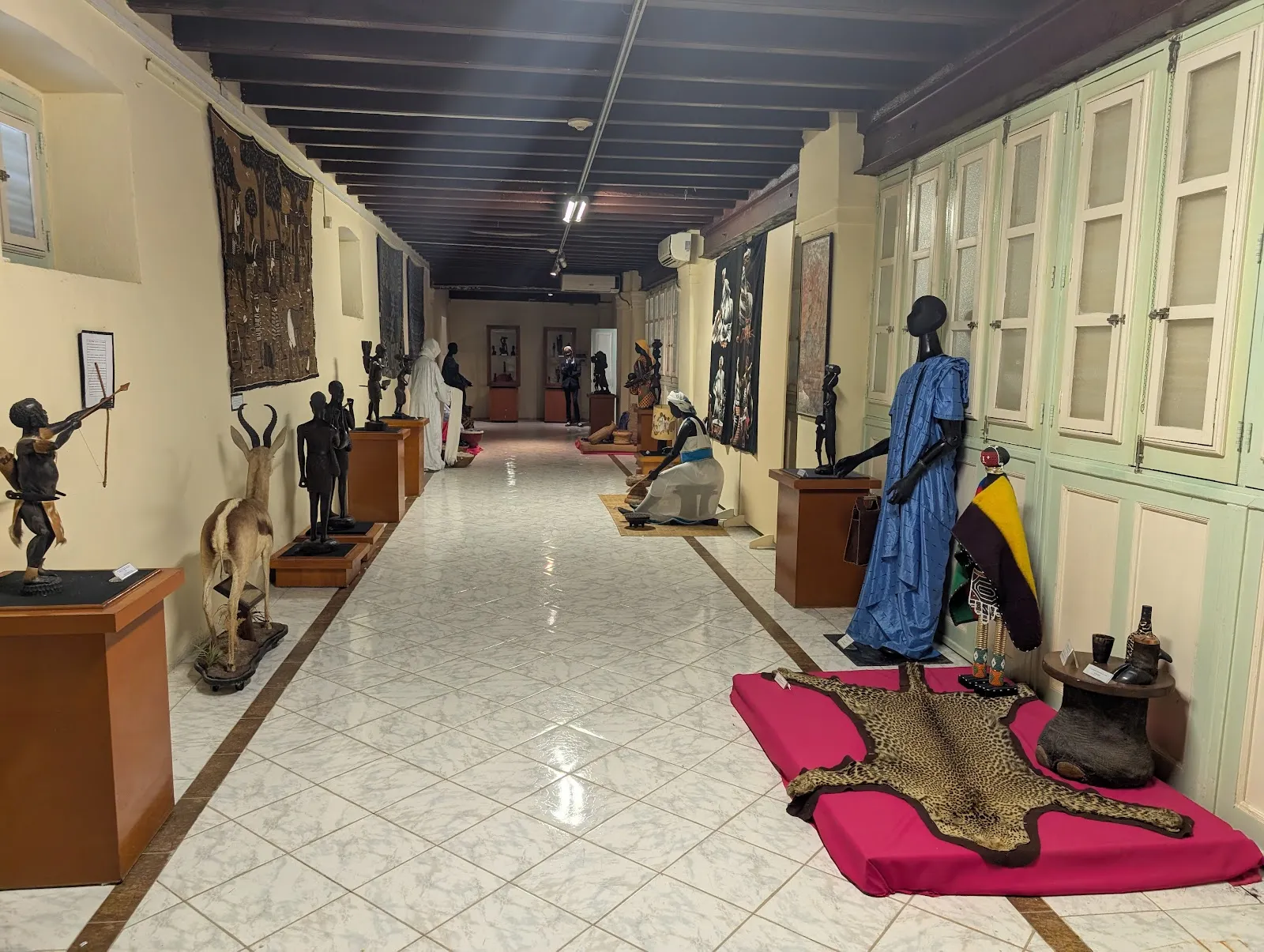
Casa de África presents African objects and cultural traditions alongside their influence on Cuba. Its collection contains more than 2,000 artifacts, many connected to regions from which Afro-Cuban ancestors were taken under slavery. The museum places these objects in the context of African contributions to Cuban culture, including traditions that developed after enslaved Africans were brought to work on the island’s sugar plantations.
The collection gives you a way to explore those connections through objects as well as cultural and religious history. One subject covered is the development of Santería, a religion shaped by Yoruba traditions. The museum also addresses the importance of orishas, Yoruba deities, within that religious tradition.
Rooms to look for
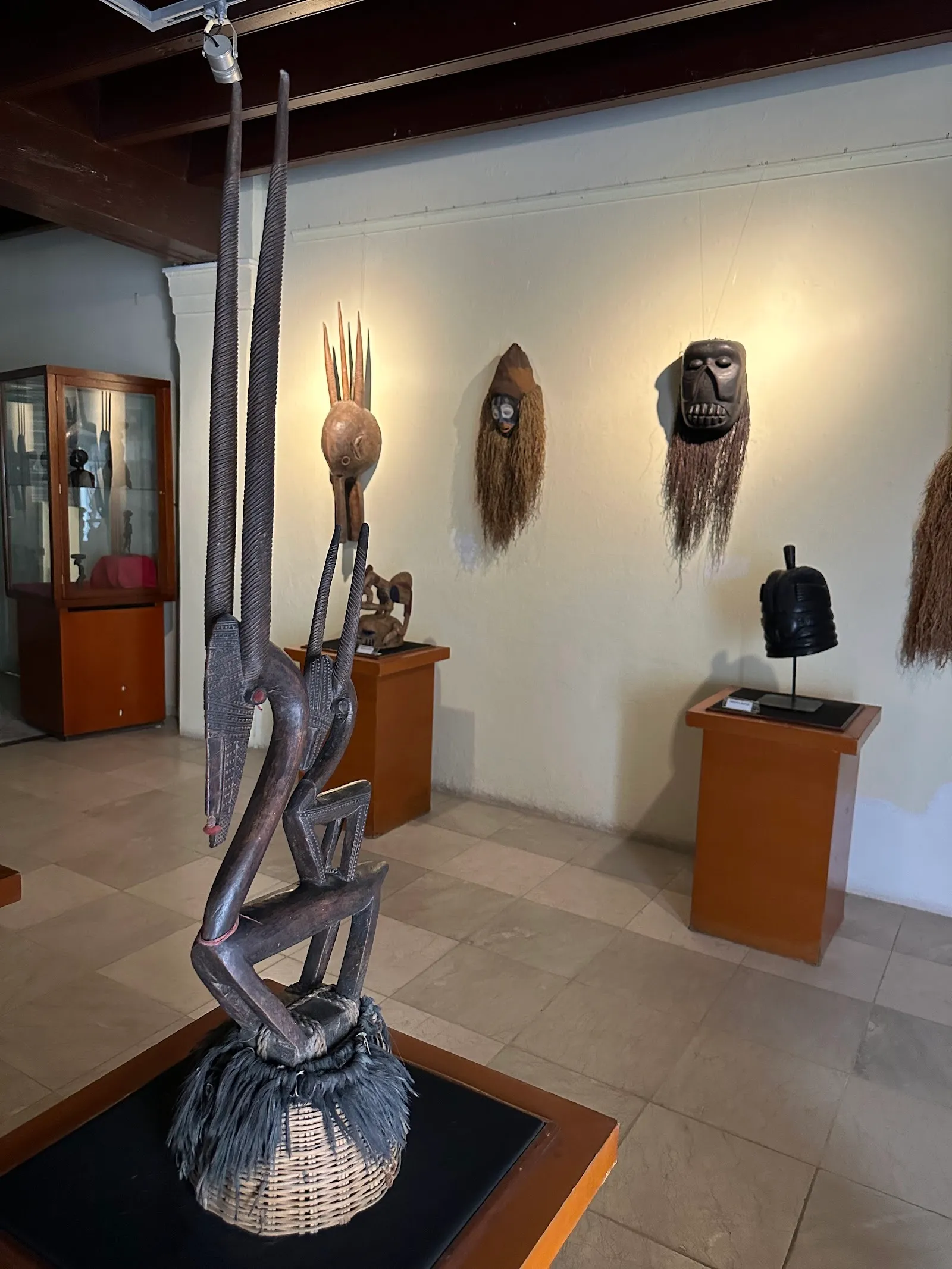
An upstairs room is dedicated to the orishas. African musical instruments are also part of the collection upstairs, so allow time to see these displays as you move through the museum.
Exhibit information is in Spanish. If you do not read Spanish, a translation app or a guide can help you understand the displays. Staff can also provide explanations about the exhibits.
Planning your visit
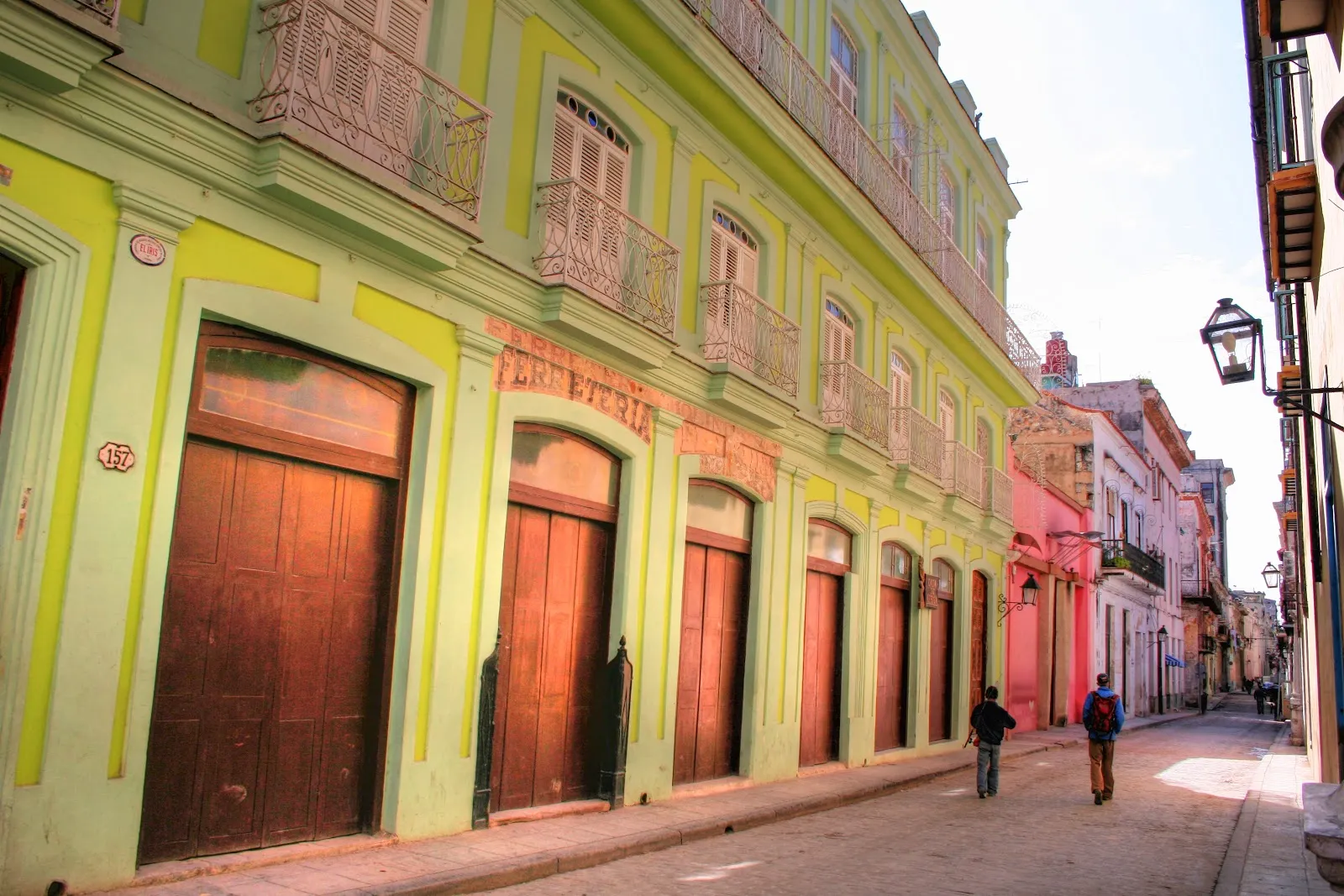
A visit takes about two hours. A weekday visit may give you a quieter setting for exploring the collection. The museum is in Old Havana, at Obrapía Street No. 157, between San Ignacio and Mercaderes.
Perguntas frequentes
What can you see at Casa de África?
The museum has more than 2,000 artifacts connected to African cultures and their influence on Cuba. Look for the upstairs room devoted to the orishas and the collection of African instruments.
Are the displays in English?
Most exhibit information is in Spanish. A translation app or guide can help you follow the displays.
How long should you spend at Casa de África?
Plan for about two hours to explore the collection.