
About a 30-minute drive east of Perth, John Forrest National Park protects jarrah and marri forest on the Darling Scarp. Western Australia’s first national park, established in 1900, has walks ranging from short, gentle routes to the challenging Eagle View loop. Look for waterfalls at National Park Falls and Hovea Falls, traces of the old railway at Swan View Tunnel, and native wildlife along the tracks. Spring brings wildflowers, while picnic areas with tables, shade and barbecues make it easy to spend several hours here.
Western Australia’s first national park
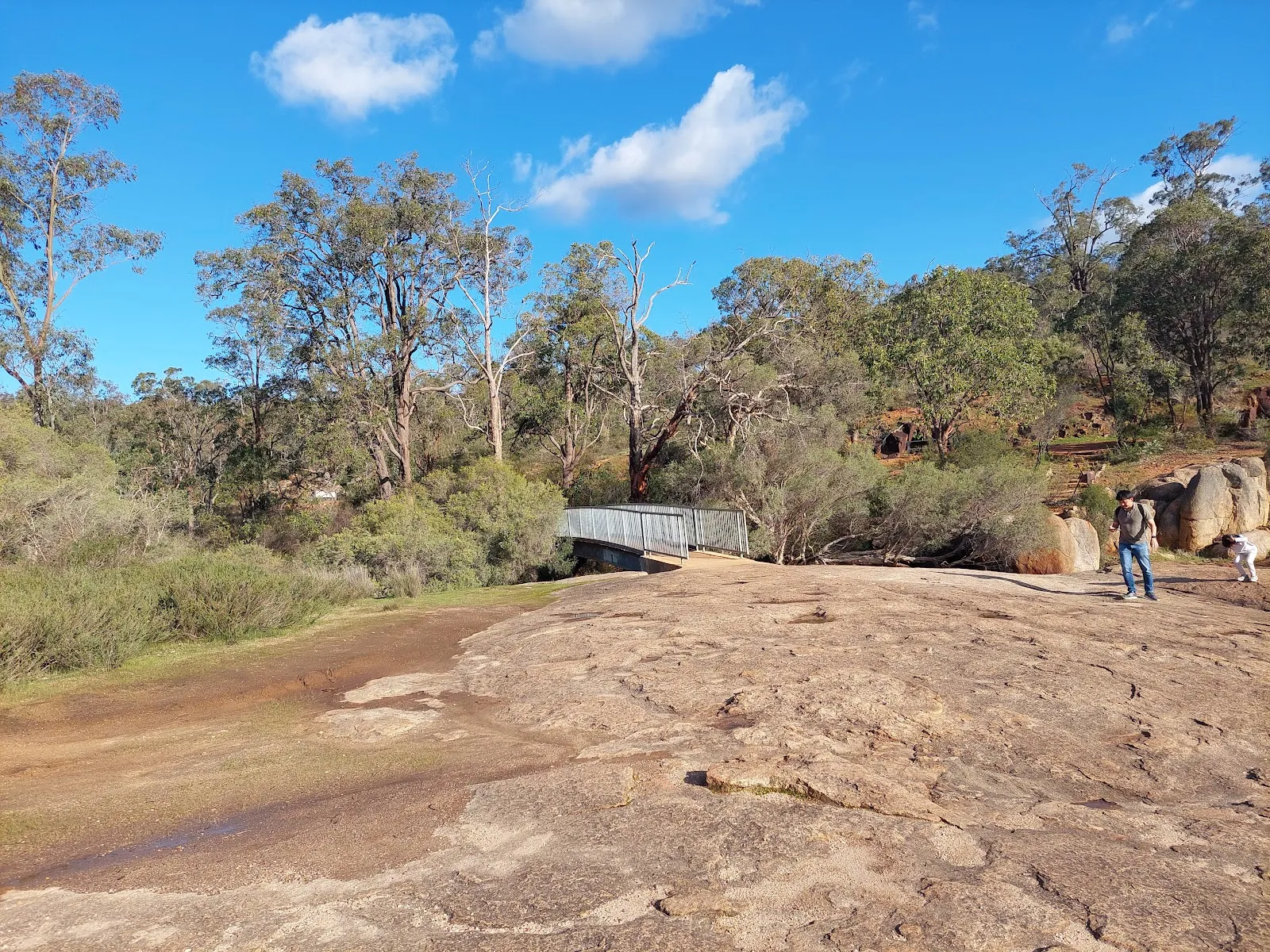
John Forrest National Park lies on the Darling Scarp, around a 30-minute drive east of Perth. It was proclaimed in 1900 as the state’s first national park. The park was first called Greenmount National Park and was renamed in 1947 for Sir John Forrest, Western Australia’s first premier.
The landscape includes jarrah and marri forest, granite outcrops, gullies and creeks. Swamp peppermint, paperbarks and other native plants grow among the taller trees. Wildlife includes mammals, reptiles, birds and frogs, and the park is a place to watch for kangaroos and other animals.
Walks, railway traces and waterfalls
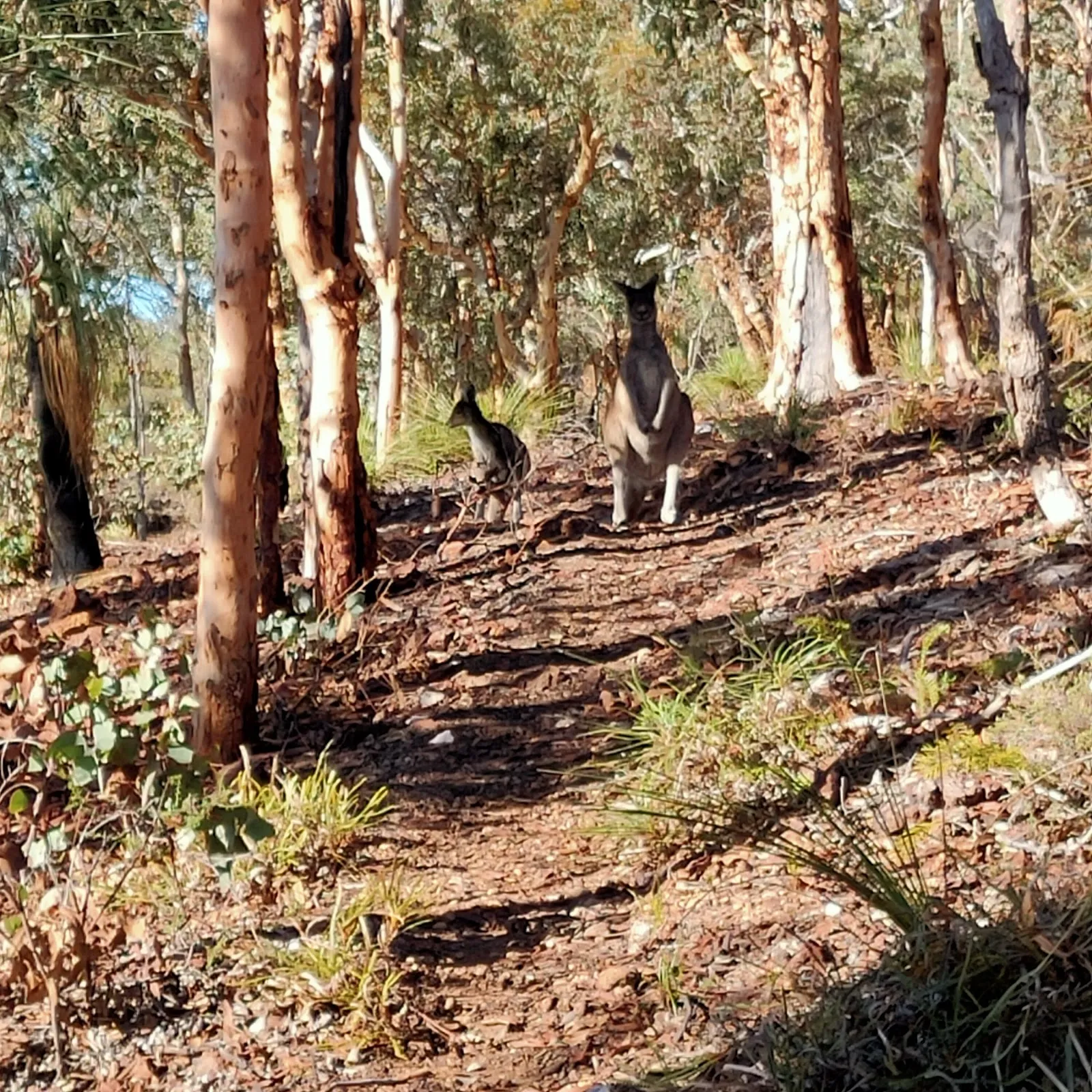
The park has routes for different levels of effort. The Eagle View Walk Trail is a challenging 15-kilometre loop, with views across the Swan Coastal Plain and valleys along the way. It passes National Park Falls; Hovea Falls is another waterfall in the park. Water flow varies with the season, and the falls can be more rewarding after rain.
For a gentler outing, the Railway Reserve Heritage Trail follows the old railway route through the park. Swan View Tunnel is one of the railway landmarks to look for. The trails range from easy to difficult, and some sections follow the heritage railway corridor. Clear signs mark routes, but check them when choosing a loop so you stay on your intended path.
Picnics and seasonal colour
The main picnic areas include tables, shade and barbecues, with facilities near the parking area. Jane Brook Weir is another picnic spot, and walking farther along the brook can lead to quieter places to sit. The park also has a playground and other family facilities.
Wildflowers add colour to the bushland in spring. Late winter to early spring is a good period for the Eagle View walk, with cooler conditions for hiking and seasonal flowers along the tracks. Cyclists can use routes with varying elevations, and horse riding is also possible in the park.
Perguntas frequentes
How far is John Forrest National Park from Perth?
It is about a 30-minute drive east of Perth.
How long should I spend at John Forrest National Park?
Allow a few hours for a walk, a waterfall stop or a picnic. The Eagle View loop is 15 kilometres, so it requires more time than a short trail.
When is the best time to visit John Forrest National Park?
Late winter to early spring is a good time for the Eagle View walk and seasonal wildflowers. Waterfalls can have more water after rain.
What can I see at John Forrest National Park?
Highlights include National Park Falls, Hovea Falls, Swan View Tunnel, native wildlife and forest trails.


